Category: Bedroom

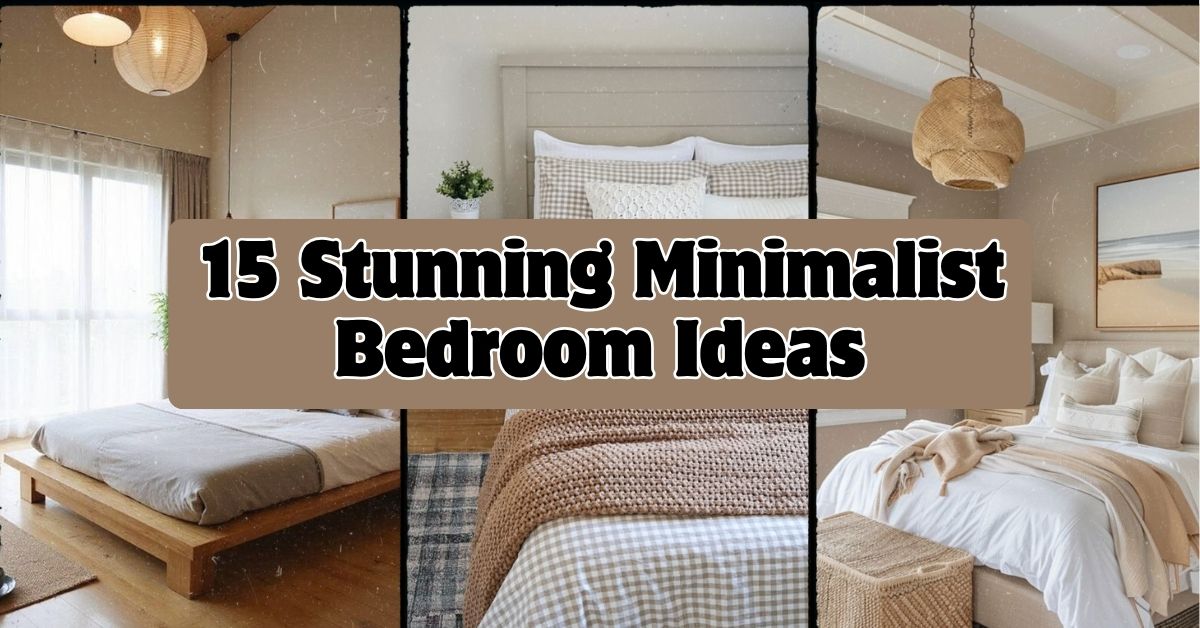
  • 15 Stunning Minimalist Bedroom Ideas

    15 Stunning Minimalist Bedroom Ideas

    I’ve spent way too many nights scrolling through bedroom photos trying to figure out why my room felt cluttered even when it was technically clean, and that’s exactly why I put together these 15 stunning minimalist bedroom ideas so you don’t have to waste your time guessing. This isn’t a rushed list either. I dug into what actually works, what looks good in real homes (not just staged photos), and what you can pull off on a normal budget.

    A minimalist bedroom is a sleeping space designed around simplicity, using limited furniture, a restrained color palette, and clutter-free surfaces. The goal is visual calm and function, achieved through decluttering, neutral tones, and intentional decor choices rather than empty or cold rooms.

    Stick around, because I’m about to walk you through specific ideas, real design combos, and a few mistakes I made so you don’t repeat them.

    What Minimalist Bedroom Design Really Means

    So here’s the thing about minimalism. It’s not about having an empty room with a mattress on the floor. I used to think that too. Real minimalist design is about keeping only what serves a purpose or brings you joy, then arranging it thoughtfully. Think clean lines, a tight color scheme, and furniture that actually earns its spot in the room.

    The best part? Minimalist bedrooms tend to feel bigger, calmer, and easier to keep clean. Less stuff means less visual noise, which means your brain gets to relax the second you walk in. That’s the whole point. Now let’s get into the ideas.

    1. Choose a Low-Profile Platform Bed

    Story Pin image
    Credit:Home For Home

    A platform bed sits low to the ground and skips the bulky headboard most beds have. This instantly makes a room feel more open. I switched to one a few years back and the difference in how “airy” my room felt was almost instant.

    Stick to wood or upholstered frames in neutral tones like oak, walnut, or soft gray. Skip footboards entirely since they just add visual weight.

    Practical tip: measure your ceiling height first. Low beds work best in rooms with 8-foot ceilings or higher so the proportions feel balanced.

    This idea flexes well across styles. Scandinavian rooms love light wood platforms, while modern spaces lean toward dark walnut or matte black frames.

    Once your bed is settled, the next thing to think about is what’s actually on top of it.

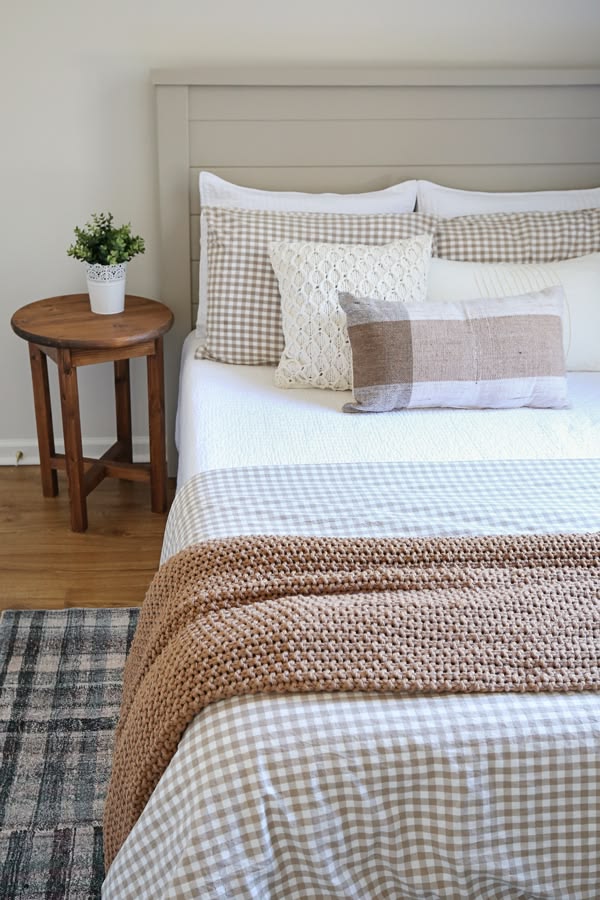
    2. Layer Simple, Breathable Bedding
    Credit: Angela Marie Made

    Minimalist bedding doesn’t mean boring. It means fewer patterns and better materials. Linen and cotton in white, sand, or soft gray tend to look expensive without trying too hard.

    Stick to two or three layers max: a fitted sheet, a duvet, and maybe one throw blanket. Skip the mountain of decorative pillows. Two to four is plenty.

    Practical tip: wash linen bedding a few times before use. It softens up and gets that slightly wrinkled, lived-in look that minimalist rooms are known for.

    Coastal bedrooms often use crisp white linen, while traditional spaces might add a subtle texture like waffle-weave cotton for warmth.

    Now that your bed looks the part, let’s talk about the walls around it.

    3. Paint Walls in Warm Neutral Tones

    Story Pin image
    Credit: Paint Color Project

    White walls get all the attention in minimalist design, but honestly, warm neutrals like greige, soft beige, or pale taupe often work better. They keep the calm vibe without feeling sterile or cold.

    Avoid stark white unless your room gets a ton of natural light. In low-light rooms, stark white can look flat and gray instead of clean.

    Practical tip: test paint samples on your actual wall at different times of day before committing. Lighting changes everything.

    Modern minimalist rooms often go with cooler grays, while traditional or farmhouse-inspired spaces lean into warmer creams and tans.

    Once your walls are sorted, it’s time to think about what goes on the floor.

    4. Add a Textured Area Rug for Warmth

    Story Pin image
    Credit: B O E

    A bare floor can feel a little harsh, especially in a minimalist room where there’s nothing else competing for attention. A simple wool or jute rug adds warmth without adding clutter.

    Stick to solid colors or very subtle patterns. Anything busy will fight with the calm vibe you’re going for.

    Practical tip: size your rug so it extends at least 18 inches beyond each side of the bed. Anything smaller looks like an afterthought.

    Coastal bedrooms love jute and sisal textures, while modern spaces often go with flat-weave wool in charcoal or cream.

    Color Palette Combinations for Minimalist Bedrooms

    Palette NameWall ColorBeddingAccent ColorBest For
    Warm SandBeige/GreigeCream LinenTerracottaTraditional, Boho
    Cool SlateLight GrayWhite CottonCharcoalModern, Scandinavian
    Soft SagePale GreenOff-WhiteWalnut BrownCoastal, Japandi
    Pure MonochromeWhiteGray LinenBlackModern, Industrial

    Now let’s get into how to actually store your stuff without ruining the look.

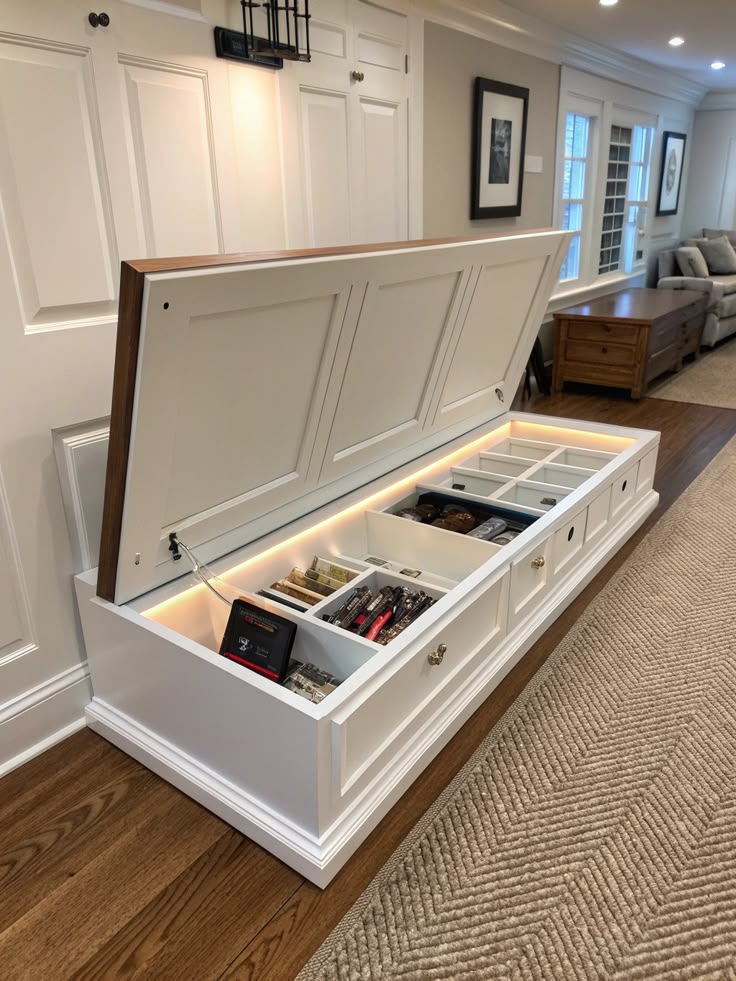
    5. Use Hidden Storage to Keep Surfaces Clear
    Credit: Nansie Campos

    Clutter kills minimalism faster than anything else. The trick isn’t owning less stuff necessarily, it’s hiding what you do own. Beds with drawers underneath, closed cabinets, and under-bed bins all work great.

    Avoid open shelving unless you’re extremely disciplined about what goes on it. Trust me, open shelves turn into junk collectors fast.

    Practical tip: do a “one in, one out” rule. Every time something new comes into your bedroom, something else leaves.

    Traditional homes might use a cedar chest at the foot of the bed, while modern rooms favor built-in wall storage with flush cabinet doors.

    Once storage is handled, lighting becomes your next big opportunity.

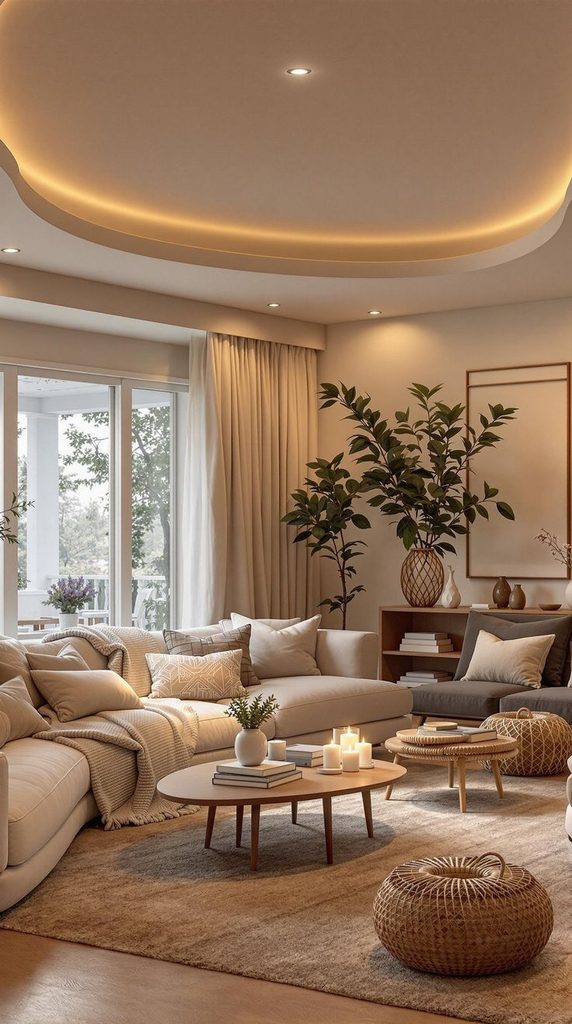
    6. Install Soft, Layered Lighting
    Credit: Learn California

    Harsh overhead lighting makes any room feel clinical. Minimalist bedrooms rely on layered lighting instead: a ceiling fixture, a bedside lamp, and maybe a floor lamp in the corner.

    Stick to warm-toned bulbs (around 2700K) for a cozy glow. Cool white bulbs can feel more like an office than a bedroom.

    Practical tip: install a dimmer switch if you can. It’s a small change that makes a huge difference in how relaxing the room feels at night.

    Japandi-style rooms often use paper lantern-style fixtures, while modern spaces prefer sleek, geometric metal lamps.

    Speaking of lamps, let’s talk about nightstands and what actually belongs on them.

    7. Keep Nightstands Simple and Symmetrical

    Credit: CharmyDecor

    A nightstand should hold the essentials only: a lamp, maybe a book, and a small tray for jewelry or a phone. That’s it. Matching nightstands on both sides of the bed also create a sense of balance that feels calming.

    Choose nightstands with at least one drawer so you have somewhere to stash chargers and other small clutter out of sight.

    Practical tip: limit yourself to three items max on top of each nightstand. If you’re regularly stacking more than that, it’s time to declutter.

    Traditional bedrooms might use wood nightstands with brass hardware, while modern rooms go for floating shelves instead of full nightstands.

    Now, let’s zoom out and talk about furniture as a whole.

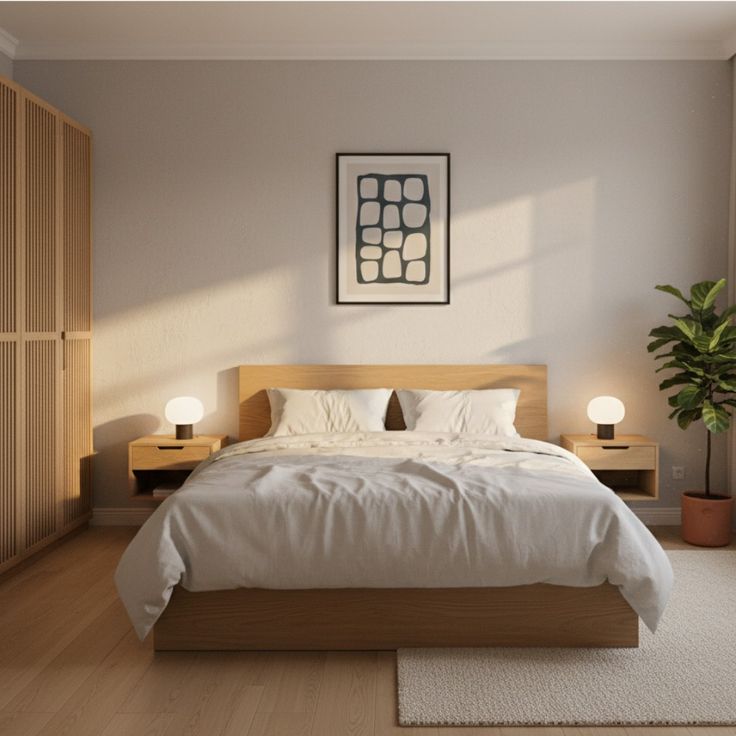
    8. Limit Furniture to True Essentials Only
    Credit: Homly Design – Interior Design

    Before buying any new furniture, ask yourself if the room actually needs it. A minimalist bedroom typically has a bed, one or two nightstands, a dresser, and maybe a chair. That’s it.

    Skip the bench at the foot of the bed unless you actually use it daily. Skip the extra armchair if it just becomes a place to pile clothes.

    Practical tip: live in your room for two weeks before adding new furniture. You’ll quickly notice what you actually miss versus what you thought you needed.

    Scandinavian design leans into multi-functional furniture, while modern minimalism often features fewer, larger statement pieces instead of many small ones.

    Furniture Budget Tiers for a Minimalist Bedroom

    Budget TierBed FrameNightstands (pair)DresserTotal Estimate
    Budget$150-300$60-100$150-250$360-650
    Mid-Range$400-800$150-300$300-600$850-1,700
    High-End$900-2,000+$400-700$700-1,500+$2,000-4,200+

    With furniture sorted, let’s move on to something people forget entirely: the closet.

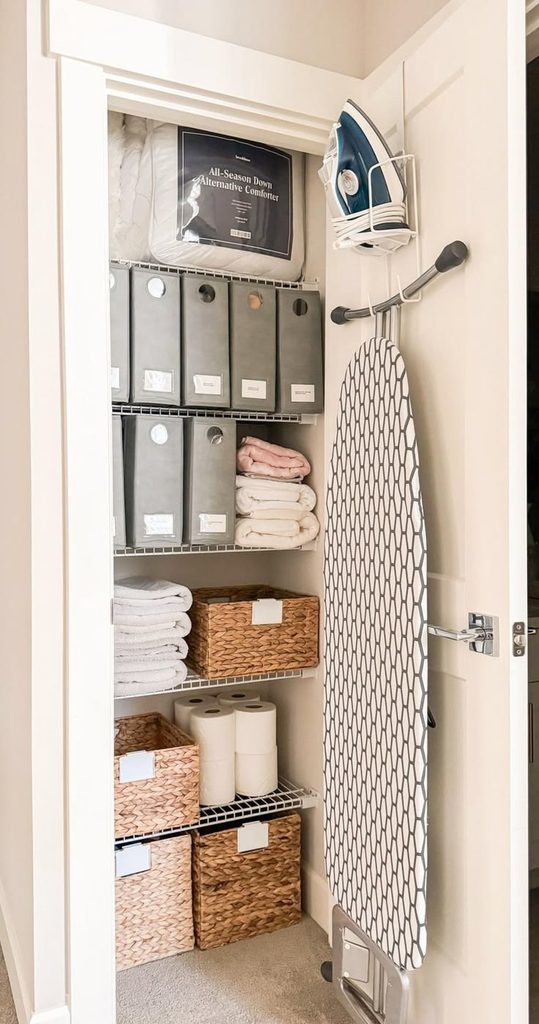
    9. Declutter and Organize Your Closet First
    Credit: Elva Morar

    Here’s something nobody tells you: your bedroom can’t feel minimalist if the closet is a disaster zone, even if the door stays closed. A cluttered closet creates subconscious stress even when you can’t see it.

    Sort clothes into keep, donate, and toss piles. Be honest about what you actually wear.

    Practical tip: try the hanger trick. Turn all your hangers backward, and after wearing something, hang it back the right way. After three months, anything still backward gets donated.

    This idea works in every home style since closet organization is more about function than aesthetics.

    Once your closet feels calm, your walls are the next canvas to consider.

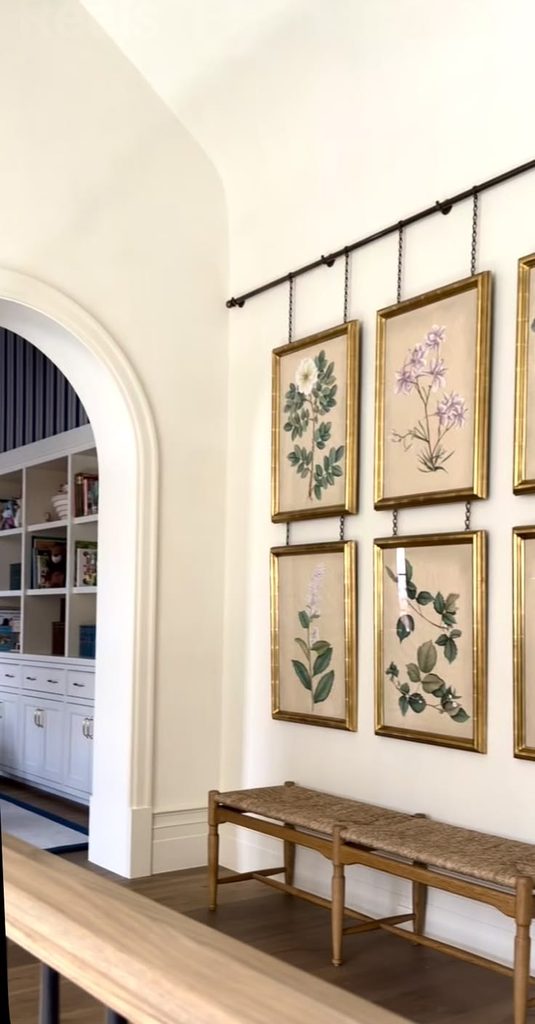
    10. Hang One Statement Art Piece Instead of a Gallery Wall
    Screet: Cara Leeper

    Minimalist rooms usually skip gallery walls in favor of one larger piece of art. It creates a focal point without overwhelming the eyes.

    Choose art with a muted palette or abstract shapes. Avoid busy patterns or anything with a ton of small details.

    Practical tip: hang art so the center sits at eye level when you’re standing, roughly 57-60 inches from the floor.

    Modern bedrooms often go abstract, while coastal spaces might choose a single black-and-white landscape photo instead.

    Let’s talk windows next, since natural light plays a huge role here too.

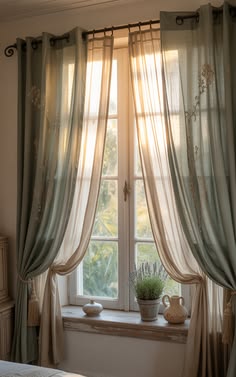
    11. Dress Windows with Simple, Flowing Curtains
    Credit: Home Decor Ideas

    Heavy, patterned drapes clash with minimalist design. Simple linen or cotton curtains in white or a soft neutral let in light while still giving privacy.

    Skip valances and layered curtain rods. One simple rod with one layer of fabric is plenty.

    Practical tip: hang curtain rods a few inches above the window frame and let curtains fall just past the floor. This makes ceilings look taller.

    Traditional homes might prefer slightly heavier linen, while modern rooms often go with sheer white panels for a more airy feel.

    Now let’s cover something a lot of people overlook: greenery.

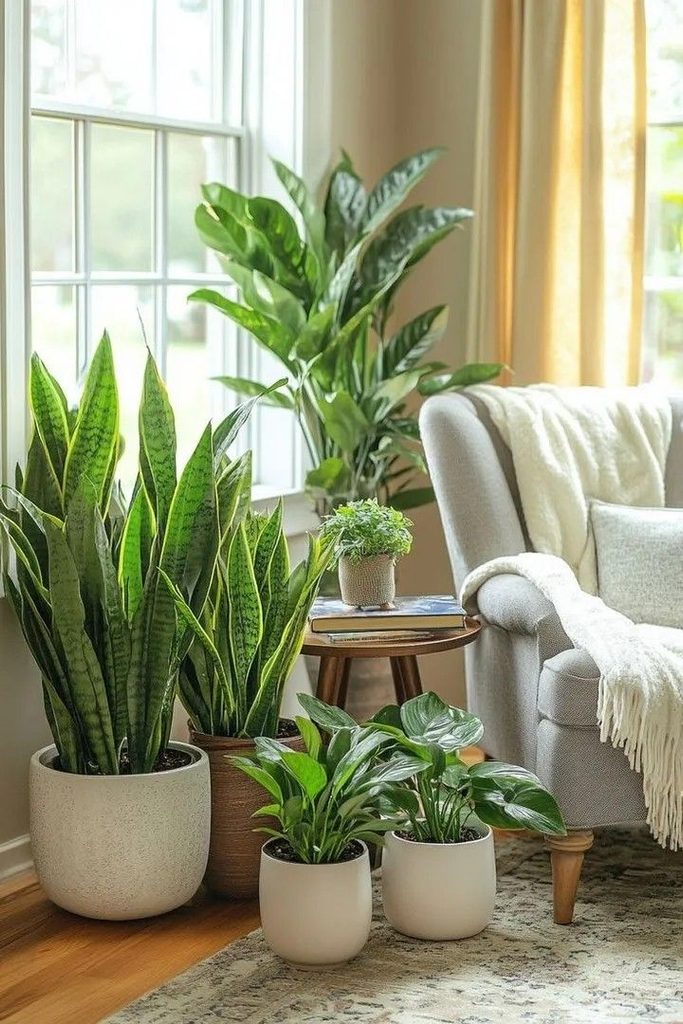
    12. Add One or Two Low-Maintenance Plants
    Credit: a

    A plant or two brings life into a minimalist room without adding clutter. Snake plants, pothos, and ZZ plants are nearly impossible to kill and look great in simple ceramic pots.

    Avoid clustering five different plants together. One or two well-placed plants make more impact than a jungle.

    Practical tip: place plants where they get indirect light, like near a window but not directly in the sun’s path.

    Boho and Japandi styles often lean into more greenery, while modern minimalist rooms usually stick to just one architectural-looking plant.

    Once your plant situation is settled, let’s think about textures throughout the room.

    13. Mix in Natural Textures Like Wood and Linen

    Story Pin image
    Credit: Bkowners

    Minimalist rooms can feel flat if everything is the same smooth material. Mixing in natural textures like wood, linen, and wool adds depth without adding visual clutter.

    Choose a wood-toned dresser to pair with linen bedding and a wool rug. The contrast in textures keeps things interesting.

    Practical tip: aim for at least three different textures in the room (smooth, woven, and matte) to avoid a flat, one-note look.

    Japandi design is built entirely around this texture-mixing idea, while modern rooms use it more sparingly with just one or two textural accents.

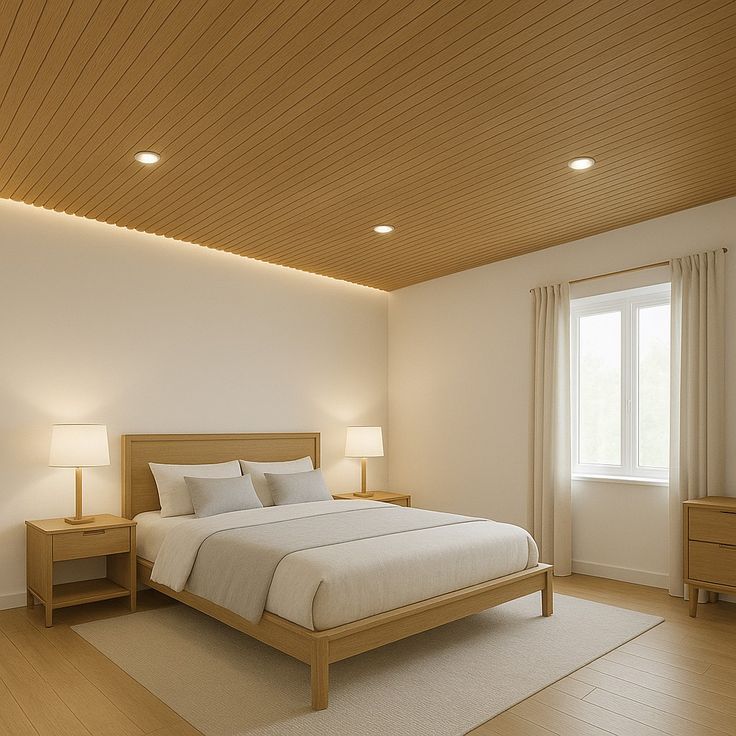
    14. Keep the Ceiling Simple and Uncluttered
    Credit: Sơn Hoàng

    We talk about walls and floors constantly, but ceilings matter too. Skip ornate light fixtures, ceiling fans with lots of detail, or busy crown molding.

    A flush-mount light or a simple pendant keeps the eye moving smoothly through the room instead of stopping at a busy fixture.

    Practical tip: if your ceiling fan is outdated, swap the blades for a simpler, all-white or matte black design instead of replacing the whole unit.

    Modern rooms often skip ceiling fixtures entirely in favor of recessed lighting, while traditional spaces might keep one simple pendant.

    15. Create a Clutter-Free Dresser Top

    Story Pin image
    Credit: HOME DECOR

    Your dresser top can become a dumping ground fast. Keep it down to one tray, maybe a small plant, and nothing else. Everything else goes in a drawer.

    Practical tip: do a nightly 60-second reset where you clear anything that landed on the dresser during the day.

    This habit works in every design style since it’s about maintenance, not aesthetics.

    Tips for Success

    • Start with decluttering before buying anything new. You might not need as much furniture as you think.
    • Choose quality over quantity for every piece you keep. One good dresser beats three mediocre ones.
    • Stick to a three-color max rule for the entire room, including bedding and decor.
    • Do a weekly five-minute reset to catch clutter before it piles up.
    • Invest in good storage solutions early so you’re never tempted to leave things out.
    • Test paint and fabric samples in your actual room lighting before committing.
    • Give yourself permission to add warmth through texture instead of relying only on color.

    Common Mistakes and How to Avoid Them

    Buying too much furniture at once
    : Live in the room for a few weeks first, then add pieces only when you notice a real gap.

    Going too cold and sterile
    : Add warm textures like wood, linen, or wool to soften an all-white or all-gray room.

    Ignoring storage needs
    : Choose furniture with built-in storage, like a bed frame with drawers, before your closet or floor becomes a dumping ground.

    Overdoing the “empty room” look
    : Minimalism isn’t about having nothing. Keep a few meaningful decor pieces instead of a totally bare room.

    Skipping texture entirely
    : Mix at least two or three materials, like wood, cotton, and wool, so the room doesn’t feel flat.

    Similar Variations

    • Japandi Bedroom: Combines Japanese minimalism with Scandinavian warmth using natural wood and low furniture.
    • Modern Minimalist Bedroom: Focuses on sleek lines, monochrome palettes, and geometric shapes.
    • Coastal Minimalist Bedroom: Uses light woods, linen, and soft blues for a beachy, airy feel.
    • Boho Minimalist Bedroom: Keeps the simple layout but adds in a few woven textures and warm earth tones.
    • Industrial Minimalist Bedroom: Pairs raw materials like concrete or metal with a stripped-down layout.

    At the end of the day, minimalist design isn’t about deprivation. It’s about making room, literally and mentally, for what actually matters to you. Once you strip away the extra stuff, what’s left tends to feel a lot more peaceful.

    I hope this gave you a clear starting point, whether you’re doing a full room overhaul or just swapping out a few pieces at a time. Take it one step at a time, and don’t feel like you need to do everything at once. That’s really the heart of these 15 stunning minimalist bedroom ideas: small, intentional changes that add up to a room that finally feels calm.
  • 20 Small Bedroom Ideas

    20 Small Bedroom Ideas

    I’ve tested and researched 20 small bedroom ideas so you don’t have to guess what actually works when your square footage is tight. If you’ve ever stood in your cramped bedroom wondering why it feels like a storage closet instead of a place to relax, you’re not alone. This guide pulls together real, practical fixes that make small rooms feel bigger, calmer, and way more livable.

    A small bedroom is any sleeping space under roughly 120 square feet where furniture, storage, and movement compete for the same limited area. The fix involves smart furniture choices, strategic color use, and layout tricks that create visual space without adding square footage.

    Stick around, because I’m about to walk you through everything from bed placement tricks to lighting hacks that make a huge difference. By the end, you’ll have a full list of ideas ready to try tonight.

    What Makes Small Bedroom Design Different

    Small bedroom design isn’t just regular decorating shrunk down. It’s a whole different game. Every single item you bring into the room has to earn its spot. There’s no room for “maybe I’ll use this someday” furniture or decor that just sits there looking pretty.

    I think of small bedrooms like a puzzle. Each piece needs to fit perfectly, or the whole picture falls apart. The good news? Limited space actually forces better decisions. You can’t overbuy furniture. You can’t clutter every surface. That constraint, weirdly, leads to cleaner, more intentional rooms once you know the right moves.

    1. Choose a Platform Bed Instead of a Bulky Frame

    Story Pin image
    Credit: Nestrefined

    Platform beds sit low to the ground and skip the boxy frame that eats up visual space. They usually don’t need a box spring either, which means less bulk overall. Look for a platform bed with built-in drawers underneath if you want extra storage without buying a separate dresser.

    Practical tip: Measure your room and leave at least 24 inches of walking space on at least one side of the bed. Anything tighter feels cramped every time you get in and out.

    This style works great in modern and minimalist rooms, but you can find wood-toned platform beds that fit traditional or coastal looks too. Once your bed is sorted, the next big decision is where to actually put it.

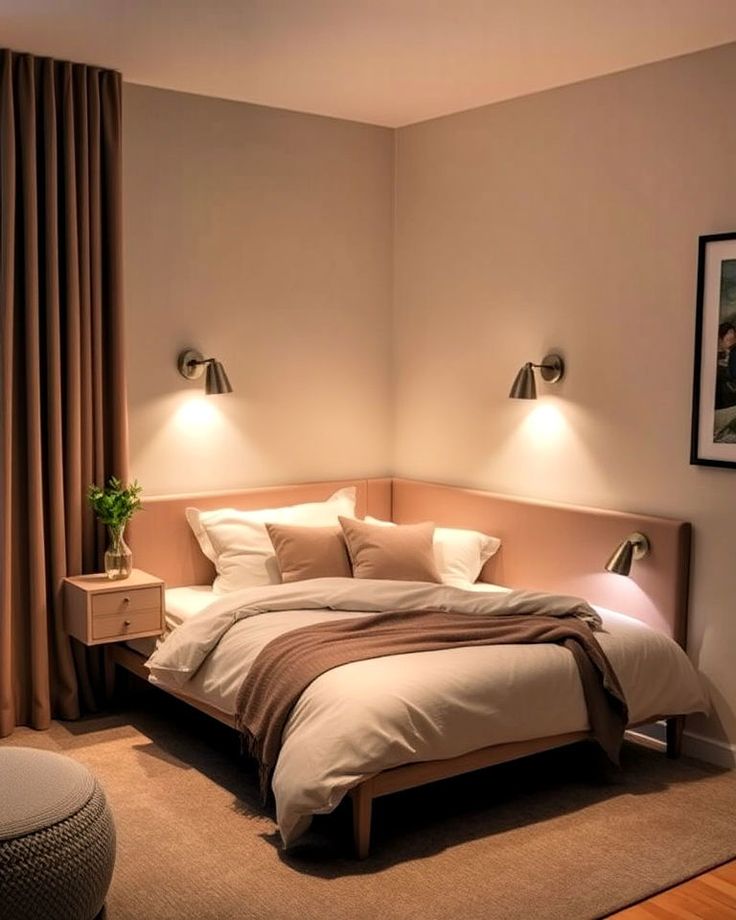
    2. Push the Bed Into a Corner to Free Up Floor Space

    Credit:PlusMood

    Instead of centering your bed against one wall, try tucking it into a corner. This single move can open up a surprising amount of usable floor space. You lose access on one side, sure, but you gain room for a dresser, chair, or walking path on the other side.

    I’ve seen this work especially well in rooms shaped like rectangles or squares under 100 square feet. Pair the corner placement with a fitted sheet and a slim nightstand that matches the wall color so it visually disappears.

    This trick fits almost any style, from farmhouse to modern, since it’s about function rather than a specific look. Now let’s talk about what goes above and around that bed.

    3. Add Floating Shelves Instead of a Nightstand

    Story Pin image
    Credit: TrendNest

    Floor space is precious, so skip the traditional nightstand and mount floating shelves next to your bed instead. They hold your lamp, phone, and book without taking up any floor room at all. You can stack two or three shelves at different heights for extra storage.

    Actionable tip: Install shelves at 24 to 30 inches above your mattress height, so they’re reachable but don’t feel like they’re hovering over your face.

    For a coastal vibe, use light wood shelves. For industrial style, go with black metal brackets and reclaimed wood. This shelf trick pairs perfectly with smart lighting choices, which is exactly where we’re headed next.

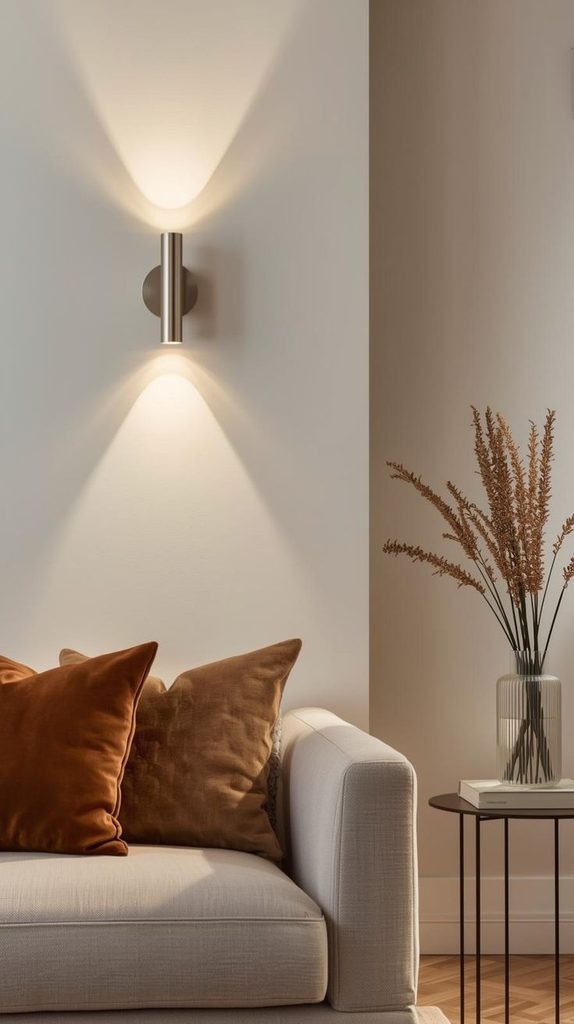
    4. Install Wall-Mounted Sconces to Free Up Surface Space

    Credit: Faisal Products

    Table lamps take up nightstand space you don’t have. Wall-mounted sconces solve this by putting your light source on the wall instead. They free up every inch of your nightstand or shelf for other essentials like a glass of water or your glasses.

    Look for sconces with swing arms so you can adjust the light direction for reading. Hardwired versions look cleaner, but plug-in sconces with a cord cover are way easier to install yourself.

    Brass sconces suit traditional and glam rooms, while matte black fits modern and industrial spaces. Lighting sets the mood, but color does even more heavy lifting in a small room, which brings me to my next point.

    Small Bedroom Color Palette Guide

    Style GoalWall ColorTrim/AccentBest For
    Maximize brightnessSoft white (Behr Polar Bear)Light grayRooms with little natural light
    Cozy but airyWarm beige (Sherwin Williams Accessible Beige)CreamNorth-facing rooms
    Modern calmSage green (Benjamin Moore Saybrook Sage)WhiteRooms with wood furniture
    Bold but small-friendlyDeep navy on one wall onlyWhite ceilingRooms with high ceilings

    5. Paint the Ceiling One Shade Lighter Than the Walls

    Story Pin image
    Credit: Chloe Home Styling

    This trick tricks your eye into thinking the room is taller than it actually is. Paint your walls a color, then go one or two shades lighter on the ceiling using the same color family. It creates a subtle gradient that draws the eye upward instead of boxing you in.

    Practical tip: Ask your paint store for the same color chip but request the next lightest shade on the strip. This keeps everything cohesive instead of clashing.

    This works in basically every design style since it’s a technique, not a look. Traditional rooms, modern rooms, even farmhouse spaces all benefit from this ceiling trick. Once your walls and ceiling are sorted, mirrors are your next best friend.

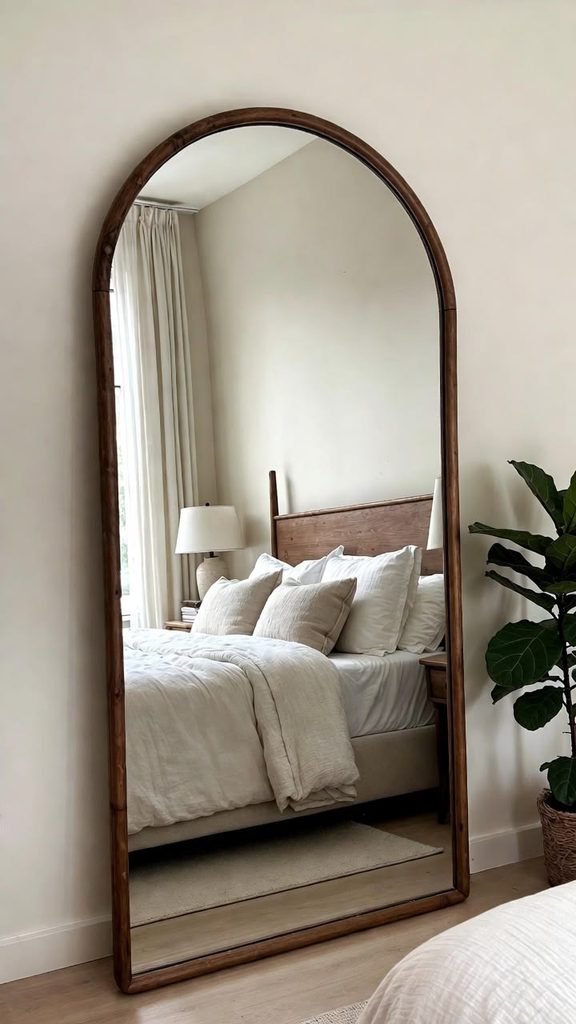
    6. Lean a Large Mirror Against the Wall Instead of Hanging Small Ones

    Credit: Cozy Minimal Home Finds

    A big leaning mirror reflects more light and makes the whole room feel doubled in size. Skip the gallery wall of small mirrors and go with one oversized piece instead, propped against the wall or leaning in a corner.

    I like placing the mirror across from a window so it bounces natural light around the room during the day. At night, it reflects lamp light too, making the space feel warmer.

    Arched mirrors fit boho and coastal rooms, while rectangular ones with thin black frames suit modern spaces. Once you’ve got light bouncing around, it’s time to think vertically with your storage.

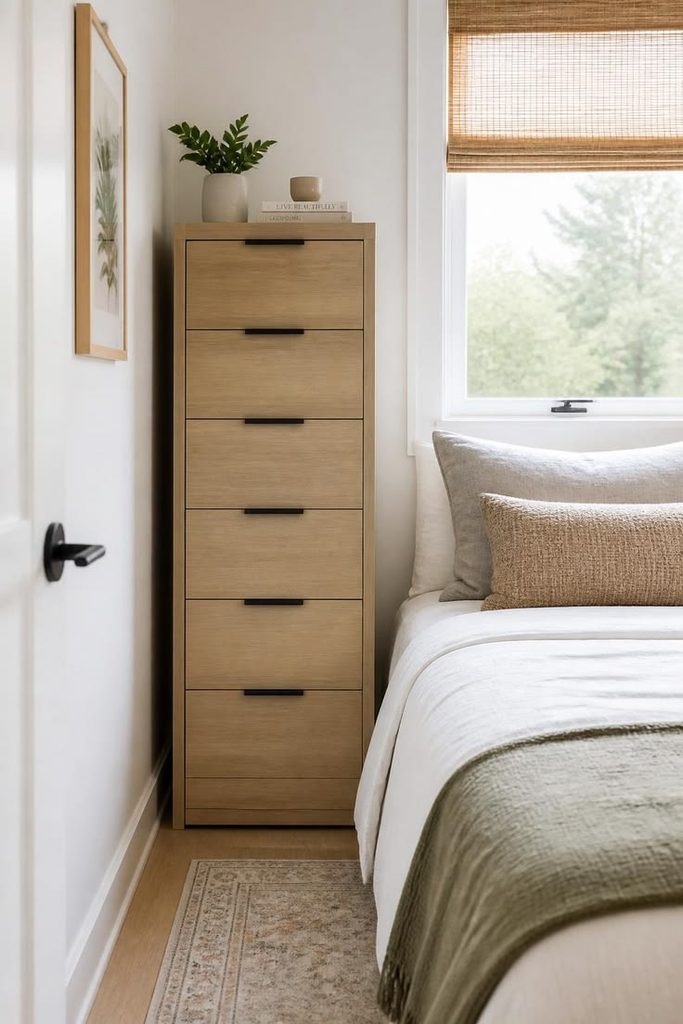
    7. Use Vertical Storage Instead of Wide Dressers

    Credit: Pinterest

    Wide dressers eat up wall space fast. Swap yours for a tall, narrow storage piece instead, something that goes up rather than out. A six-drawer tall dresser takes up half the floor space of a standard wide one while holding just as much.

    Actionable tip: Measure your wall width before shopping and look specifically for dressers under 36 inches wide. Anything wider will crowd a small room fast.

    Tall dressers with clean lines fit modern and Scandinavian styles, while ones with turned legs suit traditional rooms. Storage solves clutter, but window treatments solve something else entirely, light control and privacy.

    8. Hang Curtains Higher Than the Window Frame

    Story Pin image
    Credit: imma serr

    Mounting your curtain rod six to eight inches above the actual window frame makes the ceiling feel taller and the window feel bigger. This is one of those tricks that costs nothing extra but changes the whole feel of a room.
    I always tell people to buy curtains slightly longer than they think they need. Curtains that pool slightly or hit exactly at the floor look far more intentional than ones that stop short.
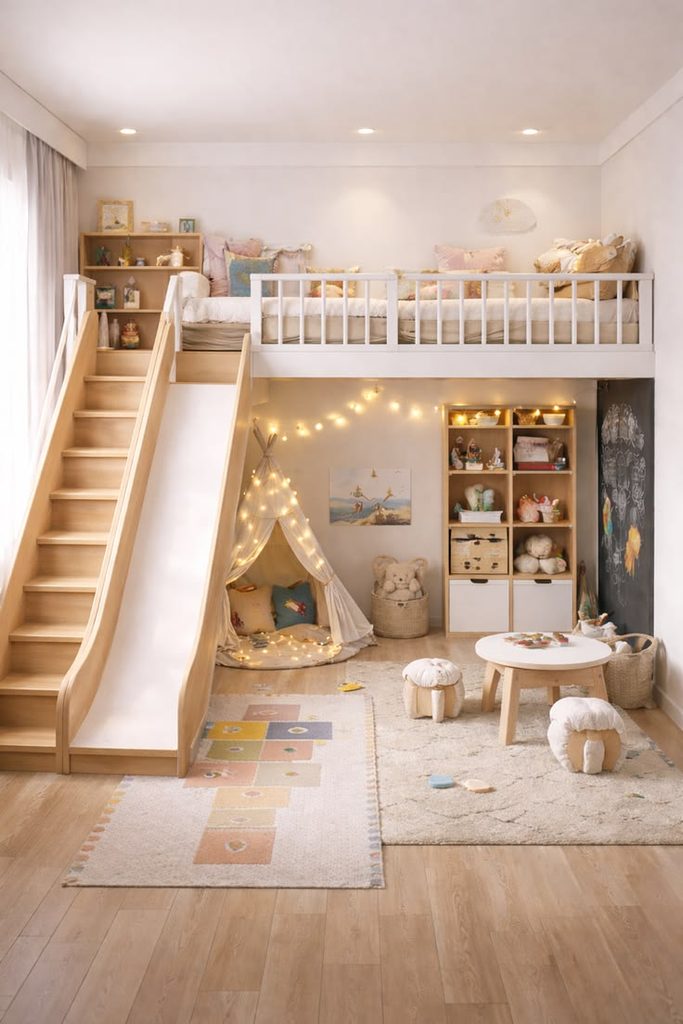
    Sheer curtains fit airy coastal or modern rooms, while heavier linen or velvet suits traditional and cozy cottage styles. Speaking of cozy, let’s talk about layering textiles without overcrowding the room.

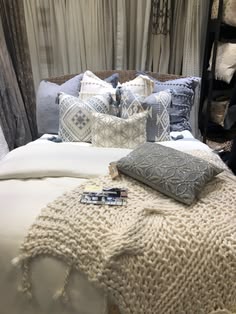
    9. Layer a Textured Throw Blanket Instead of a Heavy Comforter

    Story Pin image
    Credit: Curated Scent & Style

    Bulky comforters can visually swallow a small bed and make the whole room feel heavier. Swap yours for a lighter quilt or duvet, then add one textured throw blanket folded at the foot of the bed. This keeps things cozy without adding visual weight.

    Practical tip: Choose a throw in a contrasting texture, like chunky knit against a smooth duvet, to add interest without adding clutter.

    Knit throws fit farmhouse and cottage styles, while faux fur suits glam rooms, and waffle-weave cotton works for modern minimalist spaces. Textiles matter, but so does what’s happening on your walls.

    10. Choose One Large Piece of Art Instead of Several Small Frames

    Story Pin image
    Credit: Achadinhos SALE

    A gallery wall of ten small frames can make a small bedroom feel busy and chopped up. Instead, pick one large piece of art, something at least 24×36 inches, and let it be the single focal point above your bed or dresser.

    I’ve found that one bold piece actually makes a room feel more spacious than a bunch of tiny ones, because your eye has one place to rest instead of jumping around.

    Abstract art fits modern rooms, botanical prints suit traditional and coastal spaces, and black-and-white photography works almost everywhere. Now that your walls are settled, let’s shrink down your seating situation.

    11. Swap a Full Armchair for a Slipper Chair or Pouf

    Story Pin image
    Credit: CHIC CART

    If you love having a reading nook but don’t have room for a bulky armchair, downsize to a slipper chair or a floor pouf instead. Slipper chairs have no arms, which shaves off several inches of width, and poufs can double as a footrest or extra seat when guests visit.

    Actionable tip: Choose a pouf with a removable cover so you can wash it or swap the color when you redecorate.

    Leather poufs suit modern and industrial rooms, while woven rattan ones fit boho and coastal styles. Once seating is sorted, let’s tackle one of the trickiest small bedroom problems, the closet.

    12. Replace Closet Doors With a Curtain Panel

    Credit: Addicted To Organization

    Swinging closet doors need clearance space to open, which is a luxury small rooms don’t have. Remove them entirely and hang a simple curtain panel on a tension rod instead. This saves the floor space the door would have swung into and adds a soft textile element to the room.

    I recommend choosing a curtain that matches or complements your window treatments so the room feels pulled together instead of mismatched.

    This works in basically any style, though boho and eclectic rooms can go bolder with pattern here since it’s a low-commitment swap. Now, let’s talk about a piece of furniture that does double duty.

    Furniture Size Guide for Small Bedrooms

    Furniture PieceMax Width for Rooms Under 100 sq ftAlternative If Too Big
    Bed frameTwin XL or FullPlatform bed with no frame
    Dresser32-36 inchesTall 4-6 drawer chest
    Nightstand12-16 inchesFloating shelf
    Armchair28 inchesSlipper chair or pouf
    Desk36 inchesWall-mounted fold-down desk

    13. Install a Fold-Down Wall Desk for Work-From-Home Needs

    Credit: Jeneen Ausk

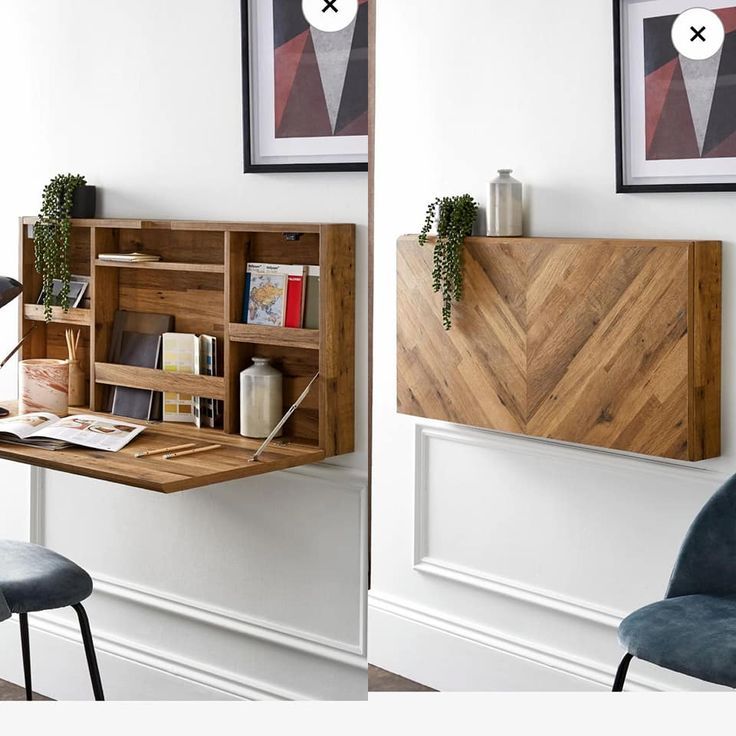
    If you need a workspace but don’t have room for a permanent desk, a fold-down wall-mounted desk is the answer. It folds flat against the wall when you’re not using it and drops down into a full desk surface when you need to work.

    Practical tip: Mount it near an outlet so you’re not running cords across the room, and pair it with a stool that slides underneath when not in use.

    Wood-toned fold-down desks suit Scandinavian and farmhouse rooms, while a black metal version fits modern or industrial spaces. Once your workspace is handled, let’s look at the floor itself.

    14. Use a Round Rug to Break Up Sharp Corners

    Story Pin image
    Credit: Loomé & Rug

    Small rooms tend to have a lot of straight lines and hard angles, from the bed frame to the dresser to the door. A round rug softens all that visually. Place it half under the bed so it peeks out on both sides, creating a soft anchor point in the room.

    I like round rugs in the 5-foot diameter range for rooms under 120 square feet. Anything bigger starts to overwhelm the space.

    Jute round rugs fit coastal and boho rooms, while a plush round rug in cream suits modern and glam spaces. Rugs ground a room, but mirrors placed strategically can stretch it even further.

    15. Position a Mirror Directly Across From Your Bedroom Door

    credit: Solia Avenue

    When you place a mirror across from the entrance, it reflects the hallway or adjoining space, making your bedroom feel like it extends beyond its actual walls. This is a favorite trick of mine because it’s basically free once you already own a mirror.

    Actionable tip: Test a few spots before committing to a hanging spot. Even six inches of difference changes what gets reflected.

    This works in every style since placement matters more than the mirror’s frame design here. Now, let’s shrink your color story down to something that actually works in tiny spaces.

    16. Stick to a Two-Color Palette Maximum

    Credit: Sara Westhaver

    Small rooms get visually noisy fast when you introduce too many colors. Pick one main wall color and one accent color, then stick to those two throughout your bedding, curtains, and decor. This creates a calm, cohesive look instead of a busy one.

    I always suggest testing your two colors on a small swatch board before committing, since lighting changes how colors look throughout the day.

    Neutral-plus-one-accent works for modern and Scandinavian rooms, while warm-plus-warm combos (like terracotta and cream) suit boho and southwestern styles. Once your palette is locked, let’s talk about a bed accessory that changes everything.

    17. Add a Bed Skirt to Hide Under-Bed Storage

    Story Pin image
    Credit: Future Lifestyle Media

    If you’re storing bins or boxes under your bed, a bed skirt keeps that storage out of sight while adding a soft, finished look to the whole setup. This is especially useful in small rooms where under-bed storage isn’t optional, it’s essential.

    Practical tip: Measure from the top of your box spring to the floor before ordering, since bed skirts come in specific drop lengths and an ill-fitting one looks sloppy.

    Tailored bed skirts suit traditional and modern rooms, while a ruffled version fits cottage and farmhouse styles. Storage handled, let’s move to something people often forget entirely, the back of the door.

    18. Use an Over-the-Door Organizer for Small Items

    Story Pin image
    credit: HomeGlow Studio

    The back of your bedroom door is wasted space in most homes. An over-the-door organizer with pockets or hooks can hold shoes, accessories, or even folded clothes without taking up any room elsewhere. It’s one of the easiest wins on this whole list.

    I’ve used these for everything from jewelry to workout clothes, and it genuinely changes how much clutter sits on visible surfaces.

    Canvas organizers fit farmhouse and cottage rooms, while a sleek acrylic version suits modern spaces. Once your door is working for you, think about what’s happening near the window.

    19. Choose a Window Seat With Built-In Storage Instead of a Bench

    Credit: Home Decor & Aesthetic Finds

    If your small bedroom has a window nook, skip the decorative bench and go with a window seat that has a lift-up lid or drawers underneath. You get seating and hidden storage in the exact same footprint, which is exactly what small rooms need.

    Actionable tip: Add two or three cushions in a size that fits the seat exactly, so nothing looks bulky or mismatched.

    Built-in window seats suit traditional and coastal rooms best, but you can find simplified versions that work for modern spaces too. Last but not least, let’s talk about the psychological trick of keeping things low.

    20. Keep Furniture Height Low and Consistent Throughout

    Credit: Casolia

    When your bed, dresser, and nightstand are all roughly the same height, the room feels more open because your eye doesn’t jump up and down between different levels. Aim for pieces that sit within a few inches of each other in height.

    I’ve noticed this matters more than people expect. A tall dresser next to a low platform bed can make a small room feel choppy and disorganized, even if everything else is perfect.

    This principle works across every design style since it’s about proportion, not aesthetics. With all twenty ideas in mind, let’s wrap up with some quick tips to keep you on track.

    Tips for Success

    • Measure everything twice before buying furniture. A few inches off can ruin your whole layout plan.
    • Start with the bed placement first, since every other decision depends on where it sits.
    • Buy multi-purpose furniture whenever possible, like a storage ottoman or a bed with built-in drawers.
    • Keep a “one in, one out” rule for decor items so clutter doesn’t creep back in over time.
    • Test paint colors on the actual wall at different times of day before committing to a full room.
    • Don’t skip window treatments, even in tiny rooms, since they add softness and control light.
    • Walk through your room’s traffic path before finalizing furniture placement to avoid tight squeezes.

    Common Mistakes and How to Avoid Them

    Buying furniture too large for the room
    : Always measure your room and leave walking space before shopping. Bring a tape measure to the store if needed.

    Overcrowding walls with too much art or shelving
    : Pick one focal point per wall instead of covering every inch with frames or shelves.

    Choosing dark, heavy colors on every wall
    : Stick to light or mid-tone colors on at least three walls, and save darker shades for one accent wall if you want drama.

    Ignoring vertical space
    : Use tall dressers, floating shelves, and wall-mounted lighting to keep the floor clear and draw the eye upward.

    Skipping a rug because the room feels too small
    : A properly sized rug actually grounds the room and makes it feel more finished, not smaller.

    Forgetting about traffic flow
    : Walk through your planned layout before buying anything permanent, since tight paths make a room feel more cramped than it is.

    Similar Variations

    • Small Nursery Ideas: Applies similar space-saving furniture tricks to baby rooms, focusing on convertible cribs and wall storage.
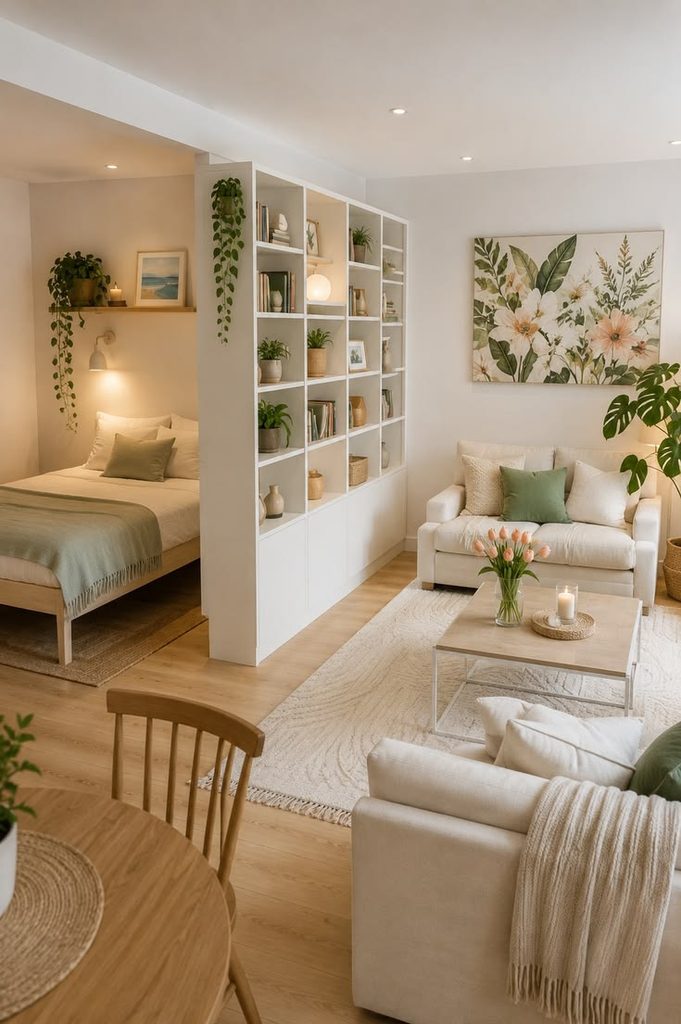
    • Studio Apartment Bedroom Zones: Uses room dividers and furniture placement to carve out a sleeping area within a larger open space.
    • Tiny Guest Room Design: Focuses on multi-purpose furniture like daybeds and fold-out desks for rooms that serve double duty.
    • Small Kids Bedroom Ideas: Prioritizes bunk beds, under-bed storage, and wall-mounted organization for shared or compact kid spaces.
    • Compact Home Office Bedroom Combo: Blends fold-down desks and closet conversions to fit work and sleep into one small room.

    Putting even five or six of these changes into your room can completely shift how it feels day to day. Small bedrooms don’t have to feel cramped or chaotic once you know which furniture, colors, and layout tricks actually make a difference. I hope this list of 20 small bedroom ideas gives you a clear starting point for turning your tight space into a room you actually enjoy spending time in.

  • 24 Boys Bedroom Ideas That Actually Work (Not Just Pretty Pinterest Photos)

    24 Boys Bedroom Ideas That Actually Work (Not Just Pretty Pinterest Photos)

    If you’ve been hunting for 24 Boys Bedroom Ideas that go beyond generic blue walls and a race car bed, you’re in the right spot. I’ve spent way too many hours scrolling design sites, talking to parents, and testing out layouts in my own house to bring you something real. This isn’t fluff. This is the stuff that actually works when a kid has to live in the room, not just look at it in a photo.

    Boys bedrooms need to balance a few things: durability, personality, and room to grow. What does that mean for design? A boys bedroom should combine functional furniture, a flexible color palette, and decor that reflects the child’s actual interests rather than a generic theme picked off a shelf.

    Stick around, because I’m about to walk you through everything from budget-friendly swaps to full room makeovers, plus mistakes I see parents make over and over again.

    What Makes a Great Boys Bedroom Anyway?

    Here’s the thing nobody tells you: a “boys bedroom” isn’t really one style. It’s more like a mindset. You’re designing a space that needs to survive spilled juice, flying nerf darts, and a kid who changes his favorite color every six months. The best boys rooms mix sturdy furniture with playful details that can shift as he grows.

    I like to think of it in layers. The bones of the room (bed, storage, paint) should be able to last five to ten years. The decor layer (posters, bedding, accessories) can change every year or two without breaking the bank. That’s the secret sauce. Keep reading and I’ll show you exactly how to pull this off, idea by idea.

    1. Go Bold With a Navy and Mustard Color Palette

    Credit: Charlotte King

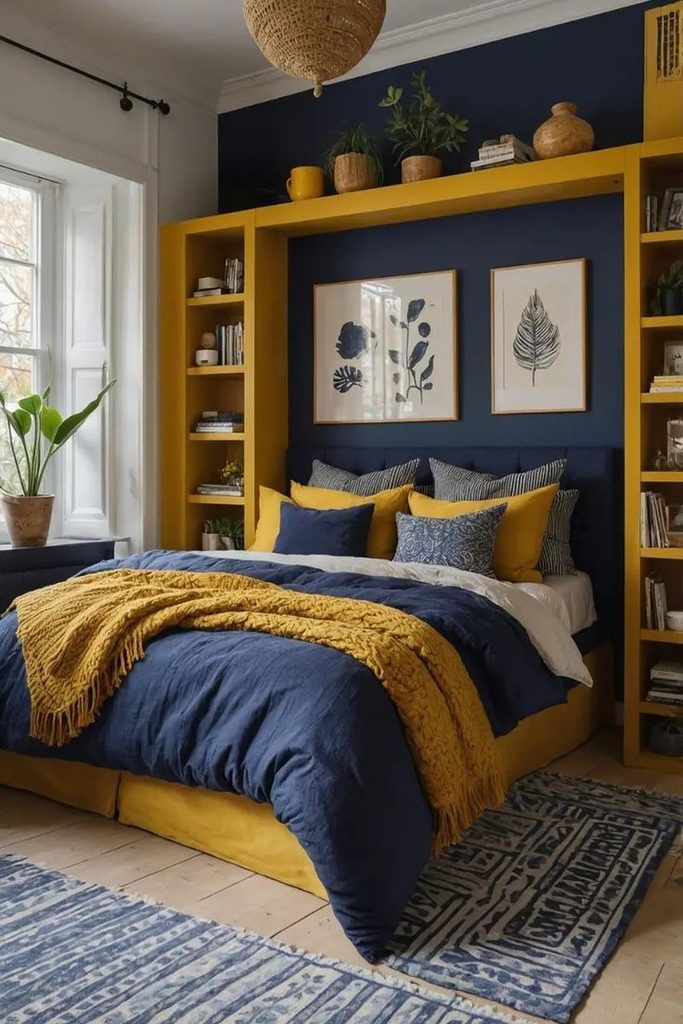
    Navy blue paired with mustard yellow is one of those combos that just works. It feels grown up but still fun. Paint three walls a soft navy and leave one as a mustard accent wall, or flip it depending on how much light the room gets.

    Add white trim to keep things crisp. Throw in a few gray textiles so the room doesn’t feel too saturated. This palette works great in modern rooms, but it also fits a mid-century vibe if you add walnut wood furniture.

    Practical tip: test paint samples on the wall for two full days before committing. Light changes how these colors read morning versus night.

    This color story sets a strong foundation, and it pairs beautifully with the next idea about layering textures.

    2. Layer Textures With a Chunky Knit Throw and Canvas Curtains

    Credit:Room of Inspo

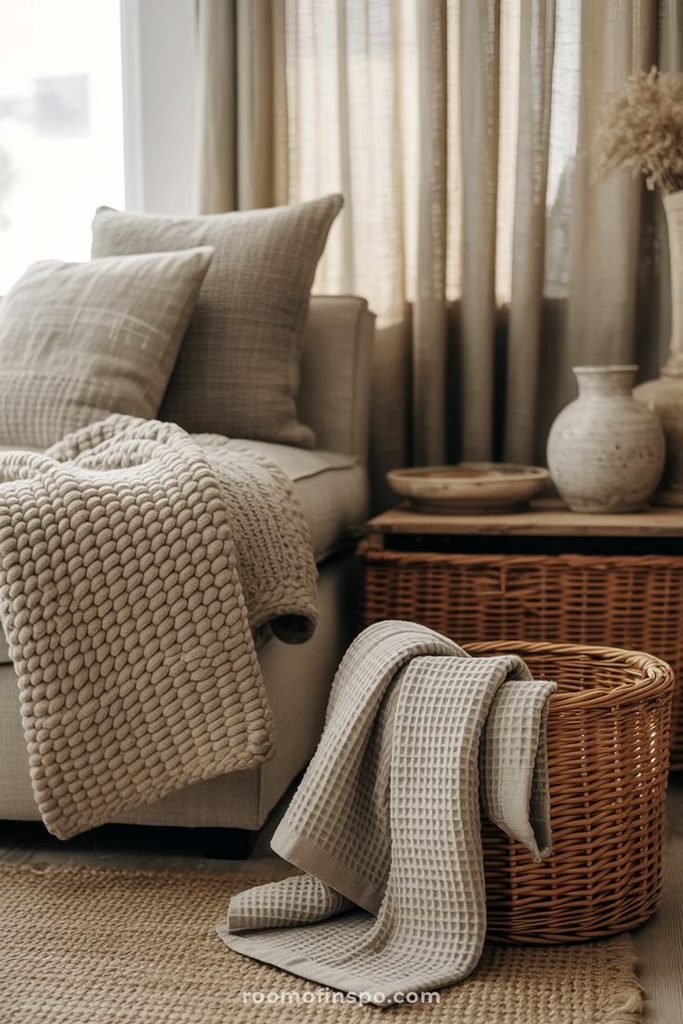
    A room feels flat when everything is smooth and shiny. Mixing textures fixes that instantly. Add a chunky knit throw blanket at the foot of the bed, canvas or linen curtains on the windows, and maybe a jute rug underneath.

    This works because kids’ rooms are full of hard surfaces already, like dressers and toy bins. Soft textures balance that out and make the room feel cozy instead of sterile.

    Actionable tip: stick to two or three textures max so the room doesn’t feel cluttered.

    Whether your style leans coastal, farmhouse, or industrial, texture layering adapts easily. Next up, let’s talk about a piece of furniture that changes everything: the bed frame.

    3. Choose a Bed Frame That Can Grow With Him

    Story Pin image
    Credit: Mattress Advisory

    A lot of parents buy a toddler bed thinking it’ll save money. It usually doesn’t. Kids outgrow those frames fast. Instead, go straight to a twin or full size bed frame with a simple, low profile design.

    Wood platform beds are sturdy and timeless. Metal frames work well in industrial or modern rooms. Either way, skip anything with a built in theme, like a race car shape, because he’ll outgrow the look in a year or two.

    Practical tip: measure the room before shopping. A full size bed needs at least 3 feet of clearance on two sides for safety and cleaning access.

    This idea saves money long term, and it sets up the next tip about storage, which matters just as much as the bed itself.

    4. Add a Storage Bench at the Foot of the Bed

    Credit: SuzieQ132

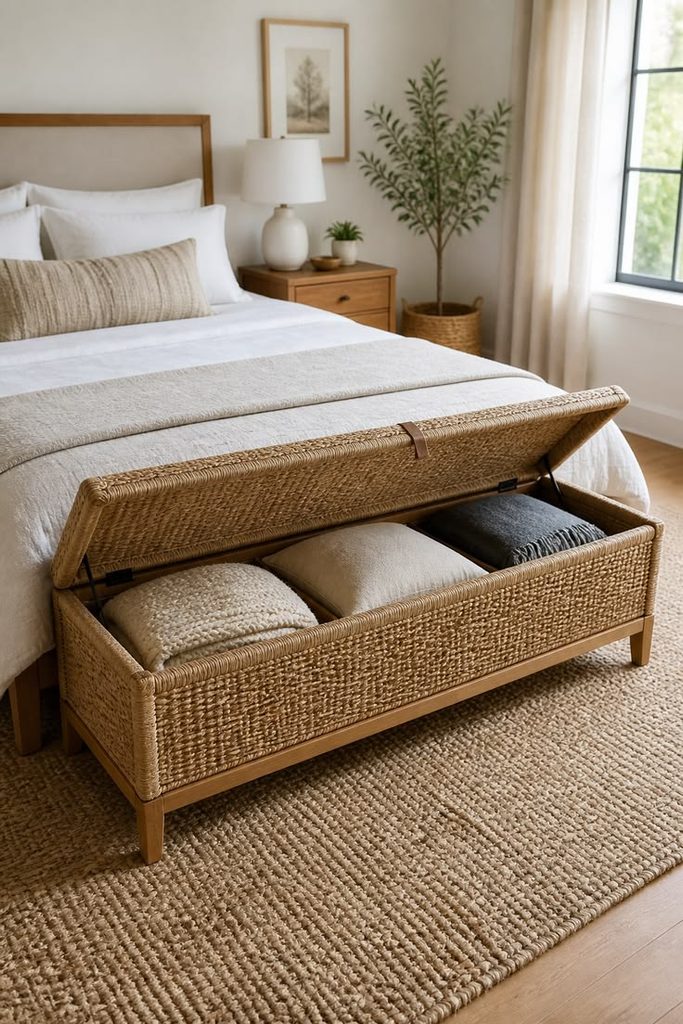
    A storage bench does double duty. It gives him a spot to sit while putting on shoes, and it hides extra blankets, books, or toys. Look for one with a flip top lid or pull out baskets.

    Choose a color that matches the room’s trim or a neutral like gray or natural wood. This keeps it from looking like an afterthought.

    Practical tip: measure the bench against the bed frame width so it doesn’t hang off either side.

    This works in basically every style, from traditional to coastal to modern farmhouse. Next, let’s tackle wall decor, because bare walls are a missed opportunity.

    5. Create a Gallery Wall With His Own Artwork and Interests

    Credit: DIY Home Decor

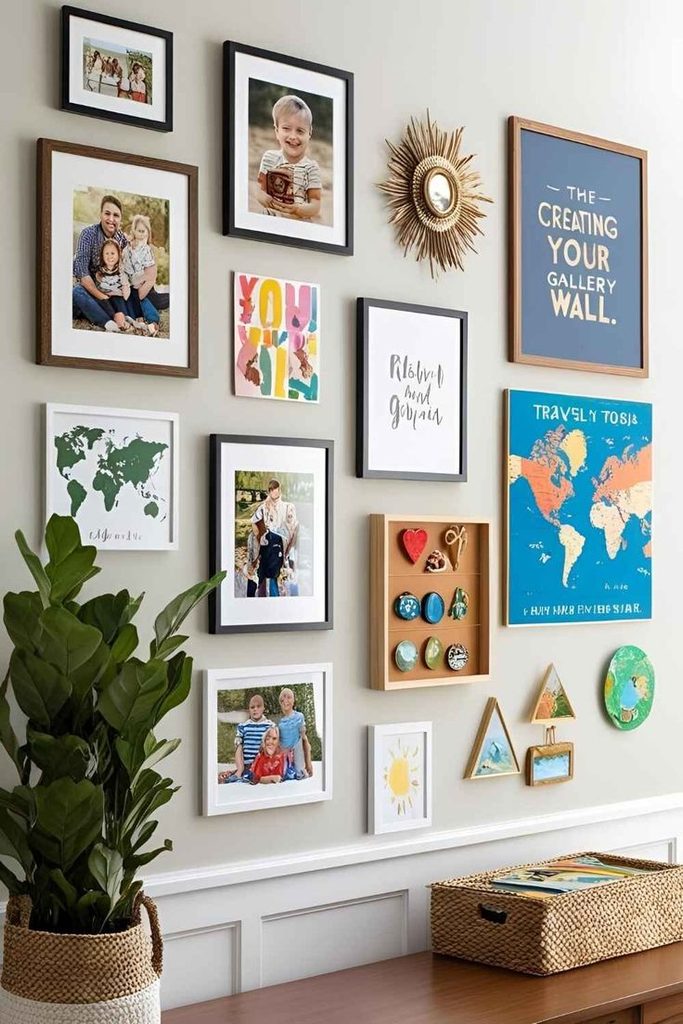
    Skip the store bought canvas prints. Instead, build a gallery wall using a mix of his own drawings, a few affordable prints related to his interests (dinosaurs, space, sports), and maybe a corkboard for rotating favorites.

    Frame everything in the same color for a cohesive look, even if the art itself is totally random. Black or white frames work well as a neutral base.

    Practical tip: lay the frames out on the floor first and snap a photo before hammering a single nail.

    This idea flexes easily. A modern room might use clean black frames, while a traditional room might lean toward wood frames with mats.

    Bedroom Style Comparison by Budget Tier

    Style TierEstimated BudgetKey Furniture PiecesTypical Color Palette
    Budget-Friendly$300 – $800Twin bed frame, storage bins, gallery wallWhite, gray, one accent color
    Mid-Range$800 – $2,000Full bed with storage drawers, desk, area rugNavy, mustard, forest green
    High-End$2,000 – $5,000+Custom built-ins, upholstered headboard, statement lightingCharcoal, brass accents, deep jewel tones

    6. Install a Reading Nook With a Canopy or Tent

    Story Pin image
    Credit: justifyingfun

    Every kid needs a spot that feels like his own little world. A reading nook with a small canopy, a soft rug, and a couple of floor pillows does the trick. You don’t need a huge corner, either. A 4×4 foot space works fine.

    Add a small bookshelf nearby so books are within arm’s reach. Battery powered string lights add ambiance without needing an outlet nearby.

    Practical tip: use a tension rod for the canopy instead of drilling into the ceiling if you’re renting.

    This idea works in almost any style. Coastal rooms might use a white canopy with rope details, while modern rooms might skip the canopy for a simple accent chair instead.

    Now that we’ve covered cozy corners, let’s talk about something bigger: how to use wallpaper without going overboard.

    7. Use Peel-and-Stick Wallpaper on One Accent Wall

    Credit: Susan Heise

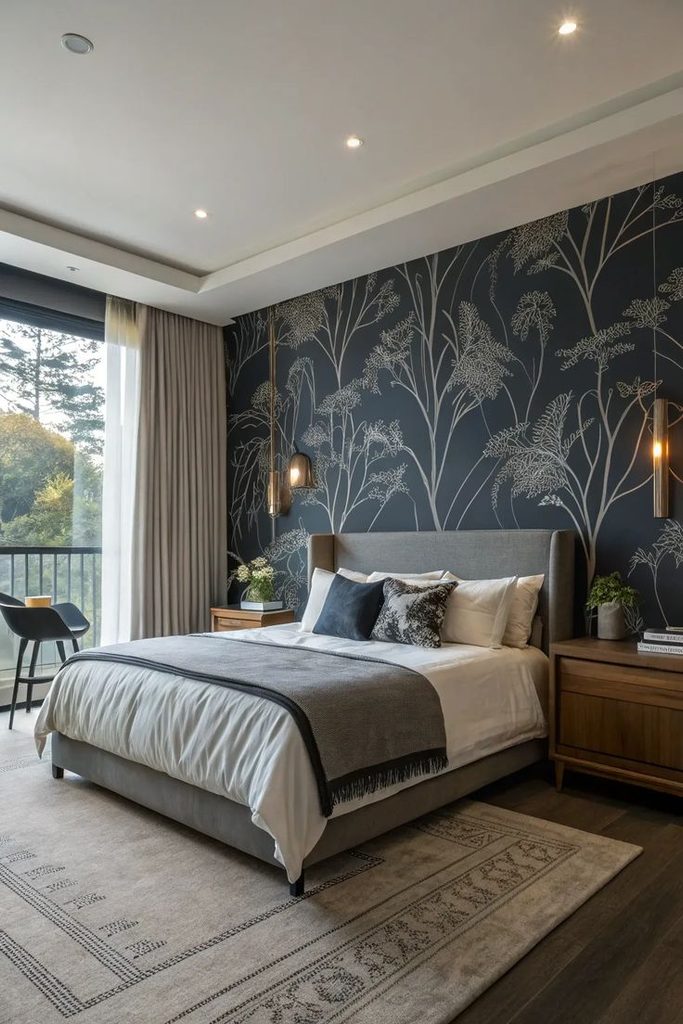
    Wallpaper feels intimidating, but peel-and-stick versions make it low risk. Pick a pattern that fits his interests, like topographic maps, constellations, or geometric shapes. Stick to one wall so it doesn’t overwhelm the room.

    This is a great option for renters since it comes off cleanly. It also lets you swap the pattern in a few years without repainting.

    Practical tip: smooth the wallpaper with a credit card or squeegee as you apply it to avoid bubbles.

    Traditional rooms might choose a subtle stripe, while modern rooms often go bold with abstract shapes. Next, let’s shift to lighting, which changes the whole mood of a room.

    8. Swap the Overhead Light for a Statement Fixture

    Credit: Nesting with Grace

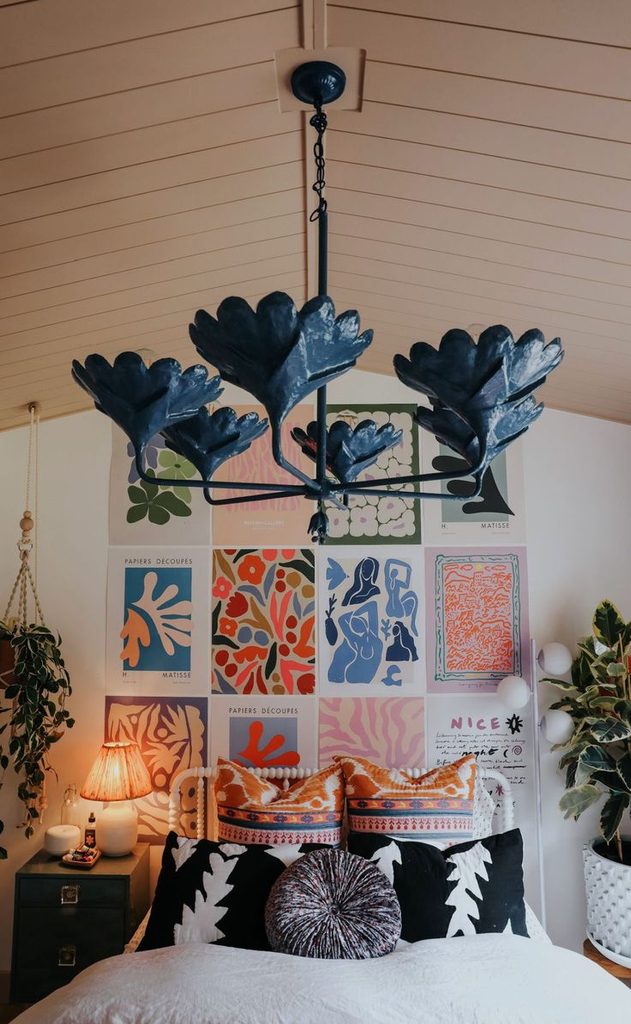
    Builder grade light fixtures are boring. Swapping in something with personality, like a globe pendant or a fixture shaped like a rocket or basketball hoop, makes the ceiling feel intentional instead of ignored.

    Keep the fixture proportional to the room. A tiny fixture in a big room looks lost, and a huge one in a small room feels heavy.

    Practical tip: if you’re not comfortable with electrical work, hire an electrician rather than risking a DIY light swap.

    This idea flexes well. Industrial rooms might use a black metal cage light, while a coastal room might choose a woven rattan pendant. Speaking of lighting, let’s talk about layering it properly.

    9. Layer Lighting With a Desk Lamp and Floor Lamp

    Story Pin image
    credit: The Quiet Nest

    One overhead light isn’t enough. Add a desk lamp for homework and a floor lamp near the reading nook or seating area. This creates depth and makes the room feel more finished at night.

    Choose warm white bulbs (around 2700K to 3000K) instead of harsh daylight bulbs for a cozier feel.

    Practical tip: use lamps with a rotary switch instead of a pull chain if he’s younger, since it’s easier for small hands to manage.

    This works across every style since lighting layers are functional first, decorative second. Now let’s move to something every boys room needs: a spot for hobbies.

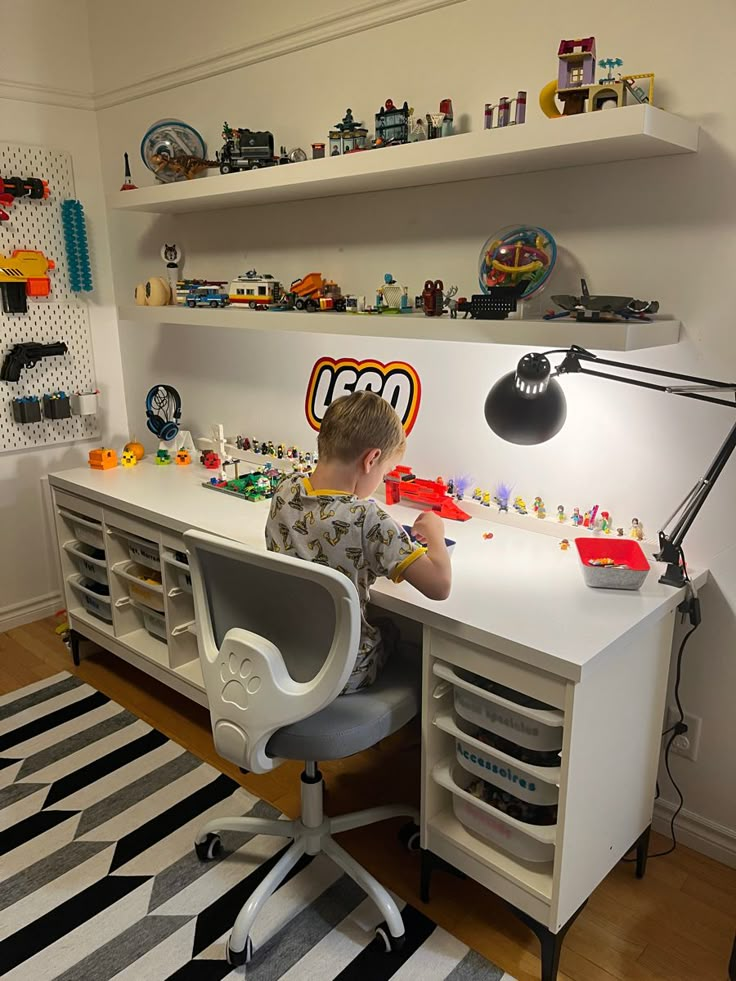
    10. Build a Hobby Station for Legos, Art, or Building Projects

    Credit: Ptit Malou

    Boys collect hobbies fast. One month it’s Legos, the next it’s model airplanes. A dedicated hobby station, even just a small table with a few labeled bins, keeps the chaos contained.

    Use clear bins so he can see what’s inside without dumping everything out. A cork board above the table works great for pinning up instructions or finished project photos.

    Practical tip: rotate hobby supplies seasonally so the table doesn’t get overloaded with stuff he’s outgrown.

    This adapts to any style. A modern room might use sleek white bins, while a rustic room might use wood crates instead.

    Storage Solutions by Room Size

    Room SizeBest Storage OptionApproximate CostNotes
    Small (under 100 sq ft)Under-bed bins, wall shelves$50 – $150Vertical storage saves floor space
    Medium (100-150 sq ft)Storage bench, closet organizer$150 – $400Balance open and closed storage
    Large (150+ sq ft)Built-in shelving, window seat storage$400 – $1,500Custom pieces maximize awkward corners

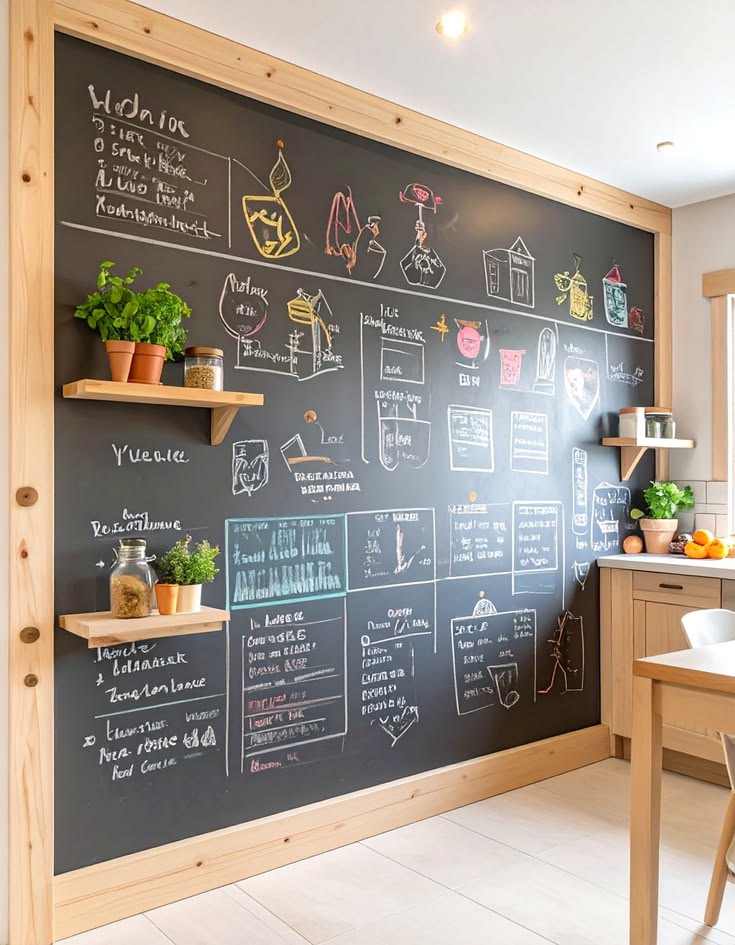
    11. Add a Chalkboard or Whiteboard Wall for Doodling

    Credit: We Love Home Blog

    Painting one wall or a large panel with chalkboard or whiteboard paint gives him a spot to draw, write reminders, or track a chore chart. It’s functional and it saves your actual walls from crayon marks.

    Frame the edges with painter’s tape before painting for a clean line. Add a small tray or shelf underneath to hold chalk or markers.

    Practical tip: use magnetic whiteboard paint if you want to stick up notes or artwork with magnets too.

    This idea works especially well in modern and eclectic rooms, though even traditional spaces can pull it off with a smaller framed panel. Next, let’s talk rugs, because bare floors feel cold and unfinished.

    12. Layer a Textured Rug Over Carpet or Hardwood

    Story Pin image
    credit: Guide My Home

    A good rug ties the whole room together. If the room already has carpet, layer a smaller flat weave rug on top to define a play area or reading nook. If it’s hardwood, go bigger with a plush area rug for warmth underfoot.

    Stick to patterns that hide stains, like a busy geometric print, rather than a solid pale color that shows every mark.

    Practical tip: use a rug pad underneath, even on carpet, to prevent slipping and bunching.

    Coastal rooms might use a jute rug, while modern rooms often go for bold graphic patterns. Now let’s shift gears to something practical but often overlooked: closet organization.

    13. Maximize Closet Space With Double-Hung Rods and Bins

    Story Pin image
    Credit: Evergreen Styles and Ideas

    Closets in kids’ rooms are usually wasted space. Add a second rod below the existing one so clothes hang at two heights, which doubles hanging capacity. Add labeled bins on the floor for shoes, sports gear, or seasonal items.

    This isn’t glamorous, but it saves so much frustration during the morning rush.

    Practical tip: use clear or labeled bins so he can find things himself, which builds independence early.

    This works no matter the room’s style since it’s purely functional. From here, let’s talk about window treatments, which finish off a room nicely.

    14. Choose Blackout Curtains With a Fun Print

    Story Pin image
    Credit: Styled Spaces Home

    Blackout curtains help with sleep, especially for younger kids who wake up with the sun. Pick a print that ties into the room’s color palette rather than plain white, which can look sterile.

    Look for curtains with grommet tops for easy sliding, and hang the rod a few inches above the window frame to make the ceiling feel taller.

    Practical tip: measure twice before ordering. Curtains that are too short instantly make a room look unfinished.

    Traditional rooms might choose a plaid or stripe pattern, while modern rooms often go for solid colors with clean lines. Next, let’s talk about a feature wall idea that’s a little different: map walls.

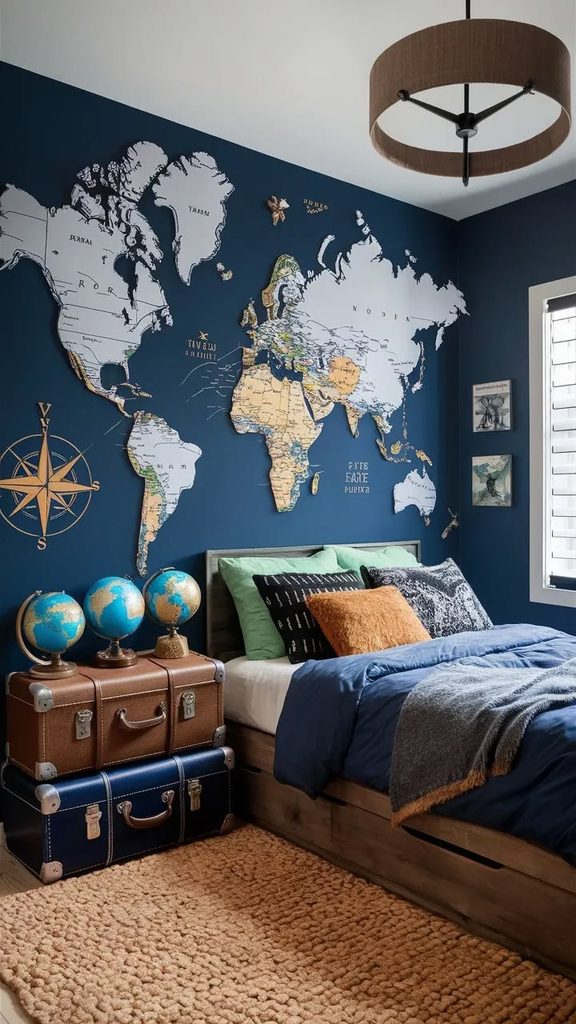
    15. Install a World Map or Star Chart as Wall Art

    Credit: Liam Walker

    A large map or star chart makes a great educational and decorative piece. It sparks curiosity and gives you something to talk about at bedtime. Look for a canvas or wood mounted version rather than a paper poster, since it holds up better over time.

    Practical tip: choose a map with a neutral color scheme so it doesn’t clash with the room’s existing palette.

    This idea fits almost every style, from a rustic wood mounted map to a sleek black and white star chart in a modern room. Now, let’s talk furniture arrangement, because even great decor falls flat with a bad layout.

    16. Rearrange Furniture to Create Clear Zones

    Credit: Studio Apartment 

    Instead of pushing everything against the walls, try creating distinct zones: a sleep zone, a study zone, and a play zone. Even in a small room, a rug or a piece of furniture can visually separate these areas.

    This helps kids mentally switch gears. Homework happens at the desk, not in bed, which honestly helps with focus.

    Practical tip: sketch the room layout on paper before moving heavy furniture around.

    This concept works in any size room and any style since it’s about function, not decor. Let’s move on to a fun idea that kids especially love: a climbing wall or loft bed.

    17. Consider a Loft Bed With a Play Space Underneath

    credit: Juldyz

    Loft beds free up floor space for a desk, reading nook, or play area underneath. This is a great option for smaller rooms or shared bedrooms.

    Make sure the loft bed meets safety standards for the child’s age, and always use the included guard rails.

    Practical tip: don’t put a loft bed in a room with low ceilings. Aim for at least 7 feet of clearance from the top bunk to the ceiling.

    This works especially well in modern and industrial style rooms with exposed beams or metal frames. Next, let’s talk about a decor detail that’s easy to overlook: hardware.

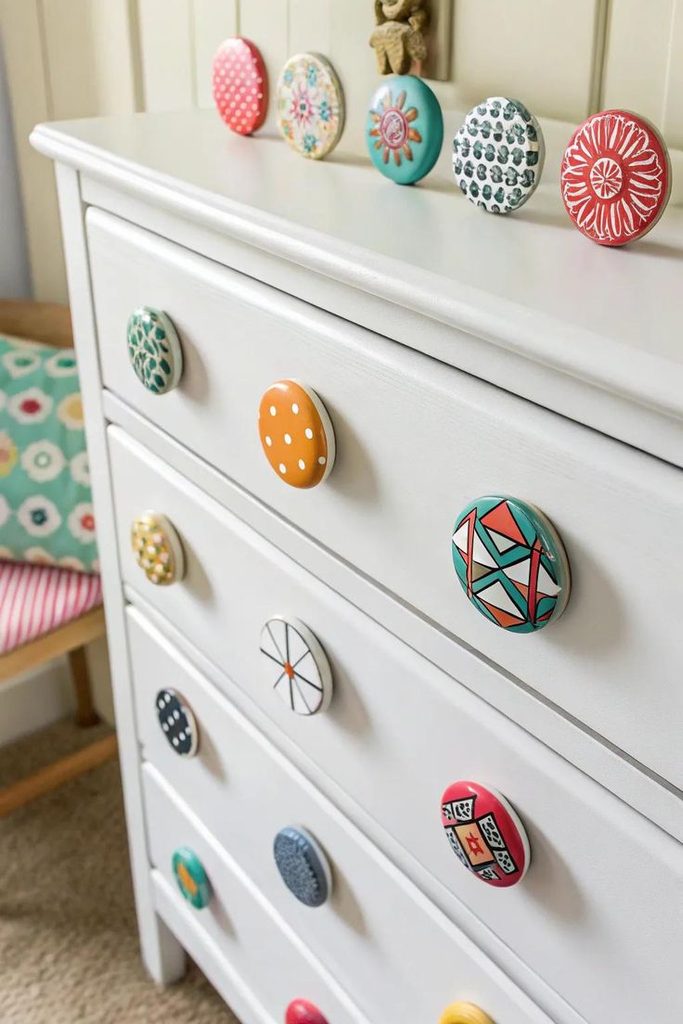
    18. Upgrade Dresser Knobs and Drawer Pulls

    Credit:Casolia

    Swapping out plain knobs for something with personality, like a compass shape or a small basketball, adds character without a big investment. This is one of the cheapest upgrades on this entire list.

    Practical tip: measure the existing screw spacing before ordering new hardware so it fits without drilling new holes.

    This tiny detail adapts to any style since hardware options range from sleek brushed nickel to playful novelty shapes.

    19. Add a Sports or Hobby Themed Accent Wall

    Story Pin image
    Credit: The Complete Home Guide

    If your son is into a specific sport or hobby, dedicate one wall to it. Think a basketball hoop mounted on the wall, framed jerseys, or a large scale mural of a favorite team’s logo.

    Practical tip: use removable adhesive hooks to hang lightweight items so you don’t damage the wall.

    This works especially well in eclectic or modern rooms, but even traditional rooms can incorporate a framed sports theme tastefully.

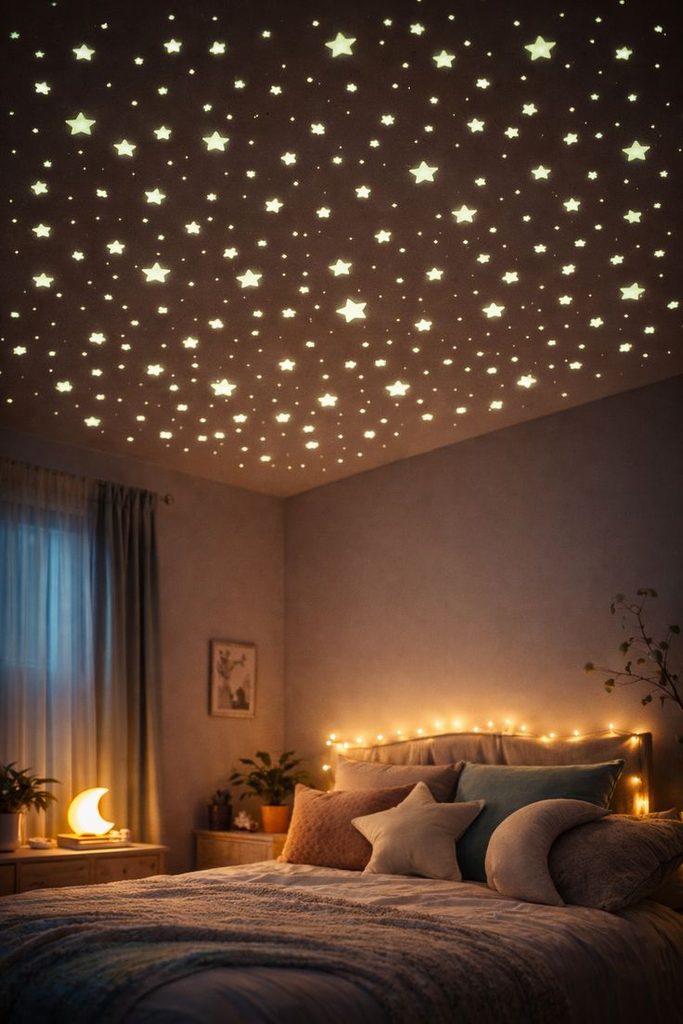
    20. Incorporate Glow-in-the-Dark Stars or LED Strip Lighting

    Credit:Inspo by Heart

    LED strip lights behind a headboard or along a ceiling edge add a fun glow at night without being too bright. Glow in the dark star stickers are a budget option that still creates a magical effect.

    Practical tip: choose LED strips with a remote control so brightness and color can change based on mood or bedtime routine.

    This idea fits modern and playful rooms especially well.

    21. Use a Vintage Suitcase or Trunk as a Side Table

    Story Pin image
    Credit: House Velix 

    An old suitcase or wooden trunk works as a side table and hidden storage at the same time. It adds character that a store bought nightstand often lacks.

    Practical tip: check flea markets or thrift stores first since these pieces are often cheaper secondhand.

    This works beautifully in vintage, farmhouse, or eclectic style rooms.

    22. Add a Corkboard or Magnetic Board for Achievements

    Story Pin image
    Credit: Betty Miller

    Give him a spot to display certificates, ribbons, or artwork he’s proud of. This builds confidence and keeps clutter off the walls in a random way.

    Practical tip: frame the board with simple wood trim so it looks intentional rather than like a leftover school supply.

    This works in almost any style with a small adjustment to the frame material.

    23. Choose Bedding With Removable, Washable Covers

    Credit: HOMEDIT

    Duvet covers that unzip and wash easily save so much hassle compared to bedding you have to dry clean or hand wash. Look for cotton or a cotton blend for durability.

    Practical tip: buy two duvet covers so one can be in the wash while the other is on the bed.

    This applies to every bedroom style since it’s about practicality first.

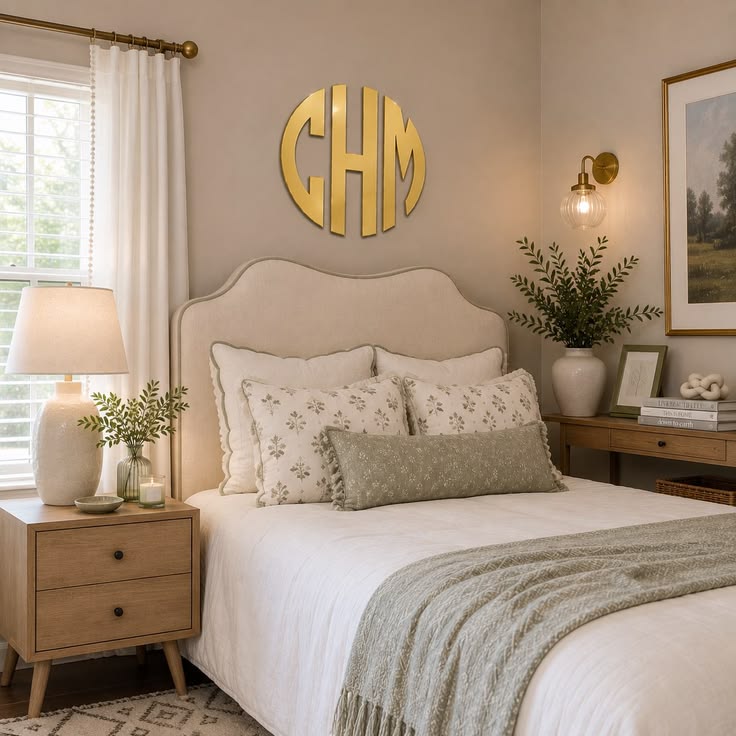
    24. Personalize With a Name Sign or Initial Art Above the Bed

    Credit: Etsy

    A wood cut name sign or initial art above the headboard adds a personal touch without being too babyish. It also makes a great backdrop for photos as he grows.

    Practical tip: choose a font and material that can transition from childhood into the teen years, like a simple sans serif wood sign rather than a cartoonish font.

    This works in basically every design style, which makes it a nice note to end on.

    Tips for Success

    • Start with the big furniture pieces first, then layer in decor. Trying to decorate around a bed you haven’t bought yet leads to mismatched proportions.
    • Involve him in a few decisions, even small ones like picking a throw pillow. It makes the room feel like his.
    • Buy slightly bigger than needed for furniture like desks and dressers, since kids grow into rooms over time.
    • Keep a “swap drawer” of decor items so you can rotate things seasonally without buying new stuff constantly.
    • Test paint and wallpaper samples in the actual room lighting, not just under store lights.
    • Prioritize washable, durable fabrics for anything within reach of little hands.

    Common Mistakes and How to Avoid Them

    Overcommitting to a single theme
    : Skip head to toe theme rooms like a full pirate ship or superhero cave. Kids’ interests shift fast, and repainting every year gets expensive. Stick to a neutral base with swappable accents instead.

    Ignoring room scale
    : Buying furniture that’s too large or too small for the room throws off the whole layout. Always measure the room and doorways before purchasing anything big.

    Skipping storage planning
    : A room with no clear storage system turns messy fast. Plan storage before decor, not after.

    Choosing trendy colors for permanent surfaces
    : Painting walls or buying furniture in a color that’s trendy right now can date quickly. Save bold trends for pillows or art instead of walls and beds.

    Forgetting about lighting layers
    : Relying only on an overhead light makes a room feel flat and uninviting at night. Add at least two additional light sources.

    Similar Variations

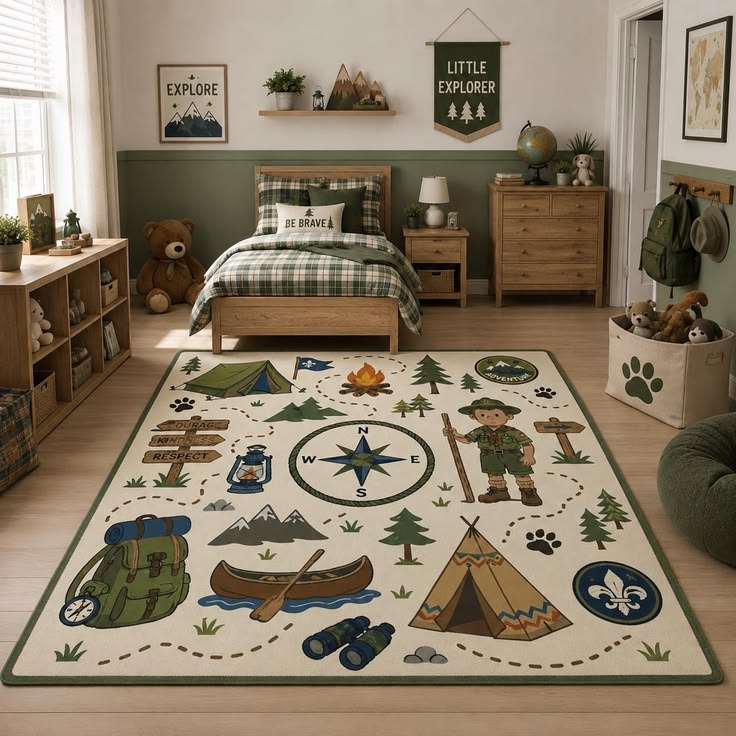
    • Adventure Explorer Theme: Maps, compasses, and earthy tones for a kid who loves the outdoors.
    • Modern Minimalist Boys Room: Clean lines, neutral colors, and very little clutter for a calm space.
    • Coastal Boys Bedroom: Light woods, rope details, and a blue and white color palette.
    • Industrial Loft Style: Exposed brick look, metal fixtures, and a moody color scheme.
    • Sports Fanatic Room: Team colors, memorabilia, and a scoreboard style accent wall.
    • Space and Galaxy Theme: Dark walls, star charts, and glow in the dark accents for a dreamy nighttime feel.

    Designing a great room doesn’t require a huge budget or a total renovation. It just takes a little planning, some flexible choices, and a willingness to let his personality show through the details. Whether you pick three ideas or all twenty four, the goal stays the same: build a space that grows with him instead of against him. That’s really the heart of these 24 Boys Bedroom Ideas, giving you a starting point you can shape into whatever fits your kid best.

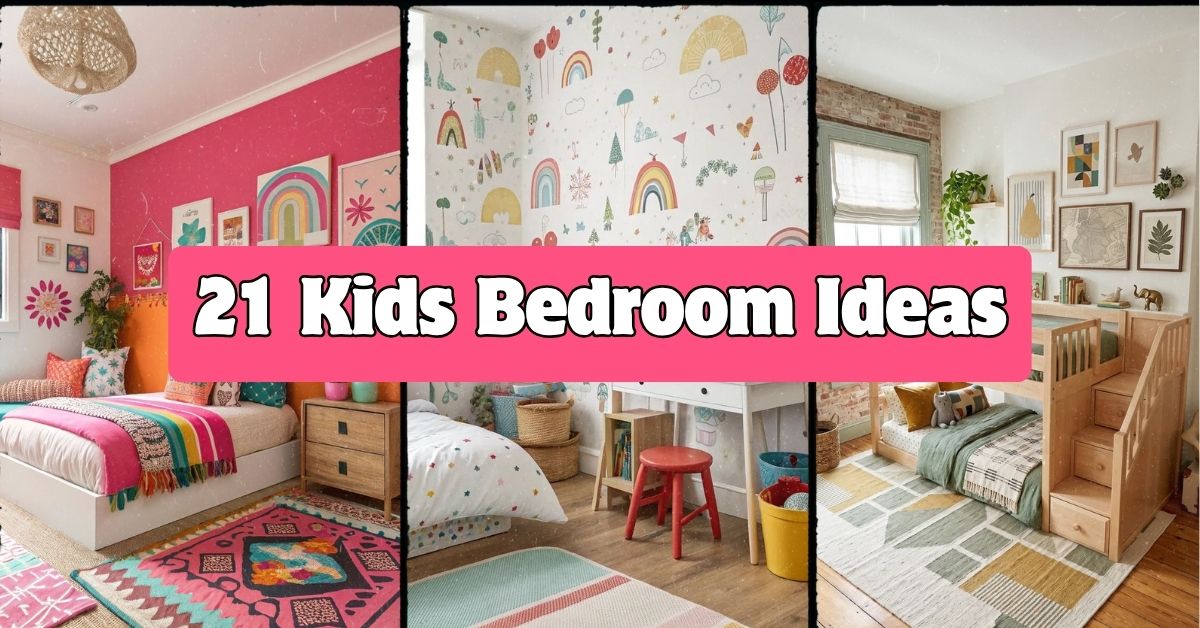
  • 21 Kids Bedroom Ideas That Turn Any Room Into a Kid’s Favorite Spot

    21 Kids Bedroom Ideas That Turn Any Room Into a Kid’s Favorite Spot

    If you’re hunting for real, workable 21 kids bedroom ideas, you’ve landed in the right spot. I’ve dug through what actually works for parents, not just pretty pictures that fall apart once toys hit the floor.

    Kids bedroom ideas refer to design choices, furniture picks, colors, and layouts that make a child’s room fun, functional, and safe. The best ones balance play space, storage, sleep comfort, and room to grow as the child ages.

    Stick around, because I’m about to walk you through 22 ideas, real budget numbers, and the mistakes I see parents make over and over.

    What Makes a Kids Bedroom Actually Work

    Here’s the thing about kids’ rooms. They’re not just mini adult bedrooms with smaller furniture. They need to handle sleep, play, homework, and storage all in one space, often a pretty small one. A good kids bedroom grows with the child instead of getting torn apart every two years. It also needs to survive spilled juice, crayon marks, and the occasional indoor “fort building” project. I’ve found the rooms that work best mix something durable, something fun, and something the kid actually picked out themselves. That last part matters more than people think. Kids care about their space when they had a hand in shaping it.

    1. Paint One Wall in a Bold Color for a Playful Accent

    Story Pin image
    Credit: Maya Serr

    You don’t need to paint the whole room neon green. Just pick one wall. An accent wall in a bright color like teal, coral, or mustard yellow adds personality without overwhelming the space. It also makes it way easier to change the room’s mood later, since you’re only repainting one wall instead of four.

    Practical tip: Use a washable, low-VOC paint so scuffs and marker mishaps wipe off easily.

    This works in almost any style. Modern rooms like a single saturated color, while coastal rooms might use a soft ocean blue instead. Once that wall’s done, you’ll want furniture that doesn’t fight with it, which brings me to bunk beds.

    2. Choose Bunk Beds to Save Floor Space for Play

    Credit: Edythe Botsford

    Bunk beds aren’t just for siblings sharing a room. Even in a single-kid bedroom, a bunk bed frees up serious floor space underneath for a play area, desk, or reading corner. Wood frames tend to last longer and feel warmer, while metal frames are lighter and often cheaper.

    Practical tip: Always check the weight limit and guardrail height before buying, especially for kids under six.

    Traditional homes often go for wood bunks with turned posts, while modern spaces prefer clean metal frames with hidden hardware. Once you’ve got that extra floor space, a cozy nook is the perfect way to fill it.

    3. Add a Reading Nook with Soft Cushions

    Story Pin image
    Credit: Justifyingfun

    A reading nook doesn’t need much. A corner, a soft rug, some oversized pillows, and maybe a small canopy or curtain to make it feel tucked away. Kids love having a spot that feels like theirs alone, separate from the bed and the play area.

    Practical tip: Add a small clip-on lamp so the nook has its own light source without needing the overhead light on.

    In a farmhouse-style room, use a wicker basket for books. In a modern room, swap that for a sleek floating shelf. Speaking of walls, let’s talk about changing them without any long-term commitment.

    4. Use Removable Wallpaper for Easy Theme Changes

    Credit: Modern & Mellow

    Kids change their minds fast. The dinosaur phase turns into a space phase turns into a “I only like purple now” phase. Removable wallpaper lets you keep up without repainting every six months. It peels off clean and won’t damage the wall underneath if you pick a quality brand.

    Practical tip: Test a small patch on the wall first, since some paint finishes react differently to adhesive.

    This idea works everywhere, from bohemian rooms with patterned prints to minimalist rooms with subtle textures. Once your walls have a theme, it’s time to make them personal with some real artwork.

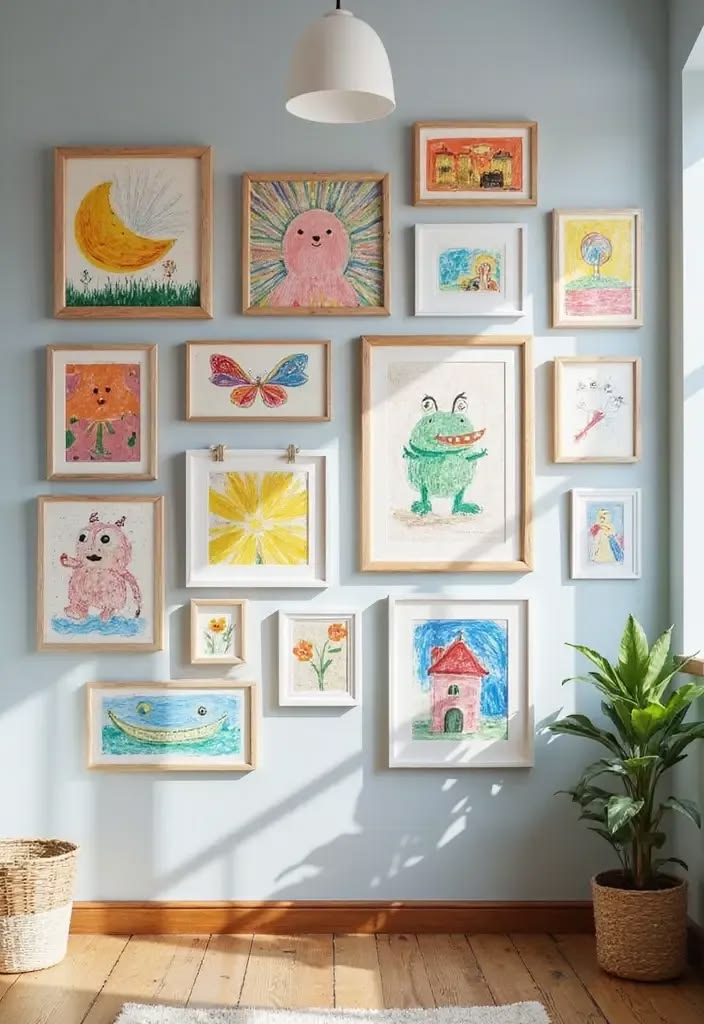
    5. Hang a Gallery Wall of Kids’ Own Artwork

    Credit: First Moments Frames

    Skip the store-bought prints and frame your kid’s actual drawings instead. A gallery wall of their own art gives them pride in the room and costs almost nothing. Rotate the pieces every few months so it stays fresh.

    Practical tip: Use simple matching frames so the wall looks intentional even though the art is wonderfully chaotic.

    This idea fits any style since the frames do the styling work, not the art itself.

    Popular Paint Color Palettes for Kids Rooms

    Palette NameWall ColorAccent ColorBest For
    Ocean BreezeSoft BlueWhiteCoastal, calming rooms
    Sunny MeadowPale YellowSage GreenNature themed rooms
    Bold ExplorerCharcoal GrayBright OrangeAdventure or space themes
    Sweet BlushBlush PinkGoldTraditional, girly rooms
    Cool SlateSlate BlueMustardGender neutral modern rooms

    Once the walls and art are settled, the next big question is furniture that won’t need replacing every year.

    6. Pick Multi-Functional Furniture That Grows with Them

    Story Pin image
    Credit: My Home Review

    A crib that converts into a toddler bed, or a desk that adjusts in height, saves you money long term. Look for furniture labeled as “convertible” or “adjustable.” It costs a bit more upfront but usually lasts through several stages of childhood.

    Practical tip: Measure the room before buying, since convertible furniture often has a slightly larger footprint than basic pieces.

    Traditional and modern styles both offer convertible lines now, so you’re not stuck picking one look. With furniture sorted, storage is the next piece of the puzzle.

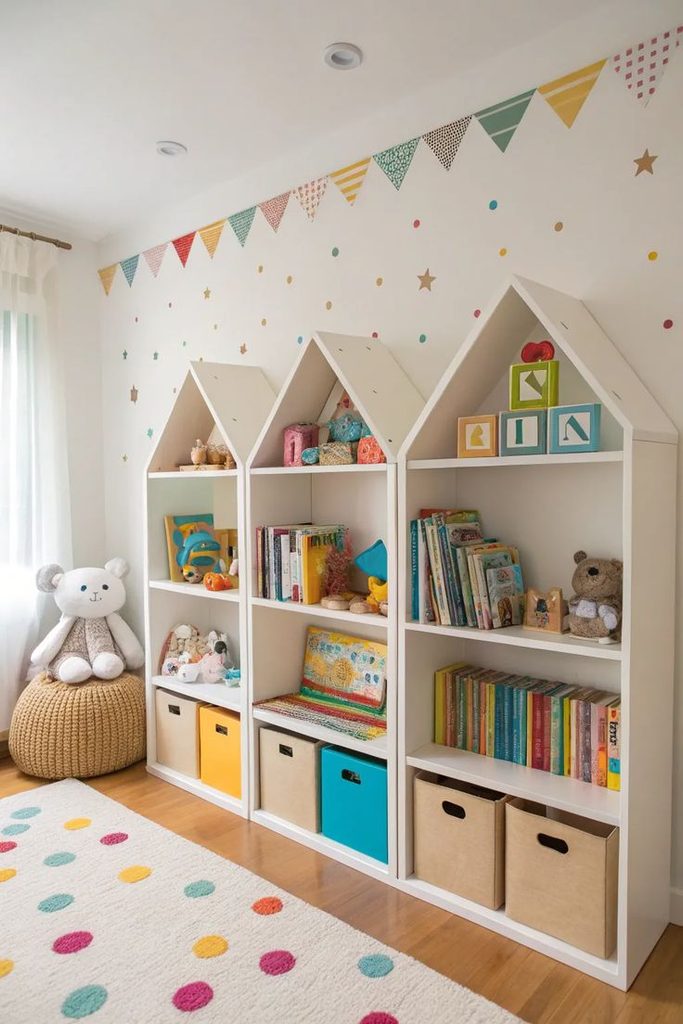
    7. Install Open Shelving for Toy Display and Access

    credit: Soft & Soulful

    Open shelves let kids see their toys and books, which actually encourages them to put things away since everything has a visible spot. Keep shelves low enough for little hands to reach without climbing.

    Practical tip: Anchor all shelving units to the wall with brackets. This isn’t optional with young kids around.

    Farmhouse rooms often use raw wood shelves, while modern rooms prefer floating white ones. Once the shelves are up, a fun bed topper can make the whole room feel more magical.

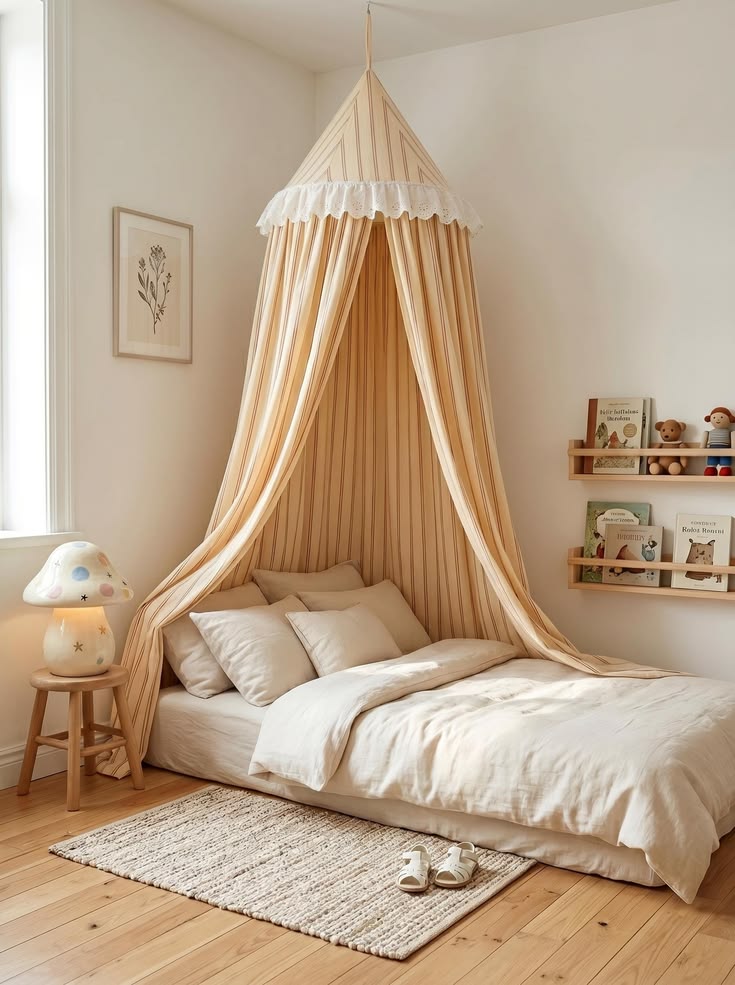
    8. Add a Canopy or Tent Over the Bed

    Credit: Etsy

    A canopy turns an ordinary bed into a little hideaway. Sheer fabric works for a dreamy look, while a pop-up tent style adds more of a fort feeling. Either way, it gives the bed a sense of its own space within the room.

    Practical tip: Choose fire-retardant fabric, especially if there’s a nearby lamp or nightlight.

    Boho rooms tend to use macrame-trimmed canopies, while modern rooms keep it simple with plain white fabric. Lighting pairs perfectly with this idea, so let’s get into that next.

    9. Use Glow-in-the-Dark Stars or String Lights

    Story Pin image
    Credit: 𝖒𝖆𝔫𝖎𝖘𝖍

    String lights or glow stars on the ceiling turn bedtime into something kids actually look forward to. They’re cheap, they’re easy to install, and they double as a soft night light that’s less jarring than a full lamp.

    Practical tip: Battery-operated string lights are safer than plug-in ones for younger kids who might pull cords.

    This idea suits basically every style since string lights come in warm white, colored, or even shaped versions like stars or clouds.

    Furniture Budget Tiers for Kids Bedrooms

    TierBed FrameStorageDeskTotal Estimated Cost
    Budget$100-200$50-100$60-100$300-500
    Mid-Range$250-450$100-250$120-200$600-900
    High-End$500-900+$300-500$250-400+$1,200-1,800+

    Knowing your budget tier helps before you fall in love with something way outside your range. Now let’s talk about a wall feature kids genuinely use every day.

    10. Create a Chalkboard or Whiteboard Wall

    Credit: Shopee Philippines 

    A chalkboard section on one wall gives kids a spot to doodle, write their name, or leave notes for you. It’s way less permanent than crayon on the actual wall, and it’s endlessly reusable.

    Practical tip: Frame the chalkboard section with painter’s tape before applying chalkboard paint so the edges stay crisp.

    This works in playful modern rooms and even traditional ones if you frame it like a piece of art. Underfoot, a good rug pulls the whole room together.

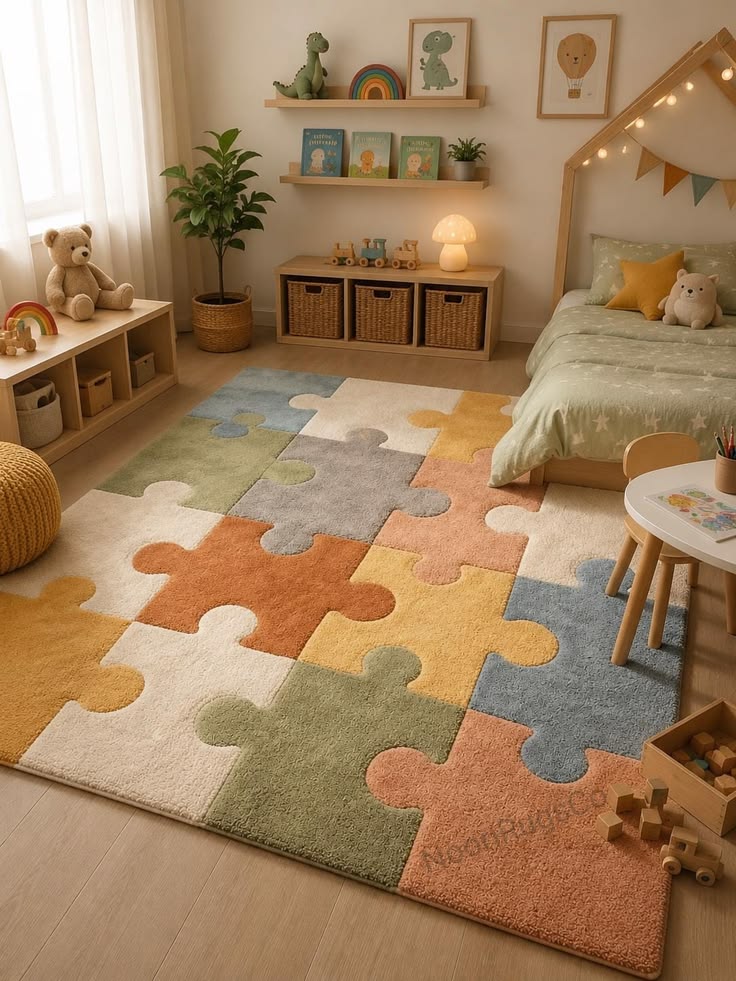
    11. Layer a Soft Area Rug for Floor Play

    Credit: Etsy

    Kids spend a lot of time on the floor, so a thick, soft rug matters more than people realize. Look for stain-resistant materials since spills are inevitable. Round rugs work well in smaller rooms since they avoid sharp corners kids can bump into.

    Practical tip: Add a non-slip pad underneath, even on carpet, to keep it from sliding during active play.

    Coastal rooms lean toward jute or woven rugs, while modern rooms often go with simple geometric patterns.

    12. Choose a Nature or Outdoor Theme

    Credit: Etsy

    A nature theme, think trees, animals, or a soft green and brown palette, creates a calming space that doesn’t feel babyish too fast. It also ages well since nature themes aren’t tied to a specific trend that’ll feel dated in two years.

    Practical tip: Use wall decals of trees or leaves instead of paint if you want an easy update later.

    This theme naturally fits farmhouse and coastal homes, but even modern rooms can pull it off with a muted, minimal color palette.

    13. Add a Small Table and Chairs for Crafts

    Story Pin image
    credit: Jan D

    A kid-sized table gives them a spot to draw, build with blocks, or do homework without taking over the whole room. Pick a table with a wipeable surface since markers and glue are a given.

    Practical tip: Store craft supplies in a rolling cart nearby so cleanup takes seconds, not twenty minutes.

    Traditional rooms use wood tables with matching chairs, while modern rooms often pick bright plastic or acrylic versions.

    Room Size Guide for Kids Bedroom Layouts

    Room SizeRecommended Bed TypeExtra Furniture That FitsPlay Area Space
    Small (under 100 sq ft)Twin or Loft BedDesk or small shelf, not bothMinimal, use vertical storage
    Medium (100-150 sq ft)Twin or FullDesk, dresser, small rug areaModerate, rug plus table
    Large (150+ sq ft)Full or Bunk BedsDesk, dresser, reading nookFull play zone possible

    With the layout figured out, let’s dig into storage solutions that actually get used.

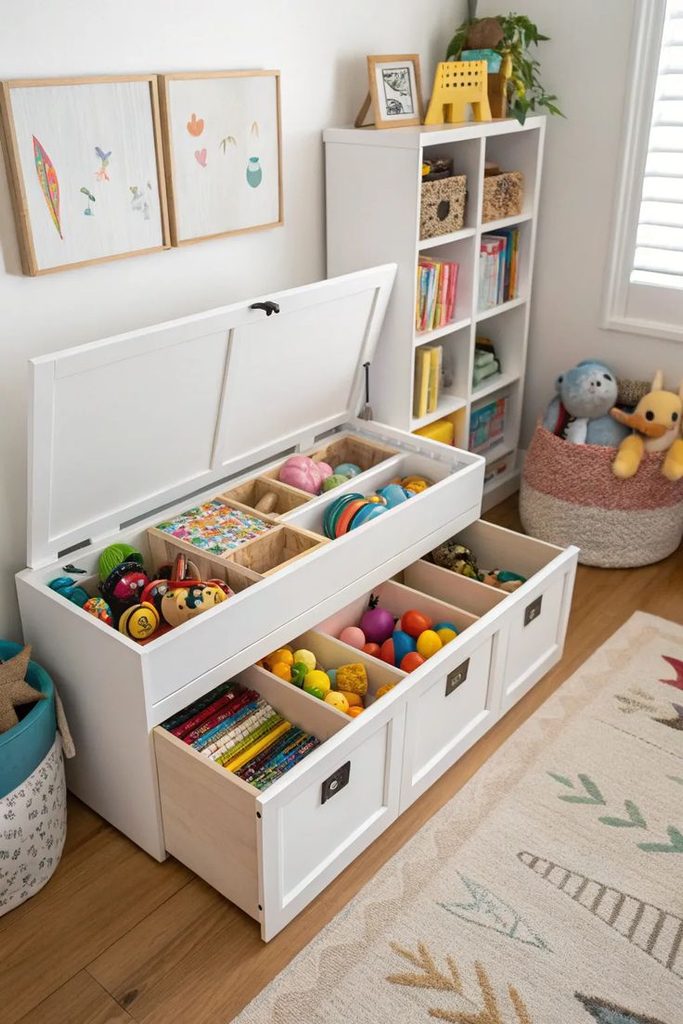
    14. Use Storage Bins and Baskets for Toy Organization

    Credit: Suzie Marozzi

    Labeled bins make cleanup a game instead of a chore. Clear bins help younger kids see what’s inside without opening every single one. Fabric baskets look softer and hide clutter better in shared spaces.

    Practical tip: Use picture labels, not just text, for kids who can’t read yet.

    Farmhouse rooms love woven baskets, while modern rooms prefer sleek plastic bins in solid colors. Once storage is sorted, walls can go from decorative to educational.

    15. Hang a World Map or Educational Poster

    Credit: Etsy

    A big map or poster isn’t just decoration, it sneaks in some learning too. Kids end up asking questions about countries or planets just from staring at it before bed. Choose one with bright colors so it doubles as wall art.

    Practical tip: Laminate paper posters so they survive years of little hands pointing and touching.

    This fits playful modern rooms especially well, though even traditional rooms can frame a map like classic art.

    16. Add a Loft Bed with Desk Underneath

    Credit: Edythe Botsford

    A loft bed lifts the sleeping area up and frees the ground floor for a desk, bookshelf, or seating. It’s one of the best space-saving moves for smaller rooms, especially once kids hit school age and need a homework spot.

    Practical tip: Add a nightlight near the ladder so nighttime bathroom trips are safer.

    Modern rooms often pick metal loft frames, while traditional rooms lean toward wood with built-in drawers.

    17. Choose Curtains with Fun Patterns or Blackout Fabric

    Story Pin image
    credit: Styled Spaces Home

    Curtains do double duty here. Fun patterns add personality, while blackout fabric helps kids actually sleep in, especially during summer when the sun rises early. You can even layer a sheer curtain under a patterned blackout one for both looks.

    Practical tip: Cordless curtains are safer for younger kids’ rooms, since dangling cords are a real hazard.

    Coastal rooms often use light, airy patterns, while space or adventure themed rooms go bold with prints like rockets or dinosaurs.

    Flooring Material Comparison for Kids Rooms

    MaterialComfortDurabilityEasy to CleanBest For
    CarpetHighMediumLowToddlers, crawling age
    LaminateMediumHighHighActive play, spills
    CorkHighMediumMediumWarmth plus sound dampening
    Vinyl PlankMediumHighHighHigh traffic, allergy concerns

    Flooring sets the tone for everything else in the room, including the ceiling above it.

    18. Create a Space-Themed Ceiling Mural

    Credit: Chloe Home Styling

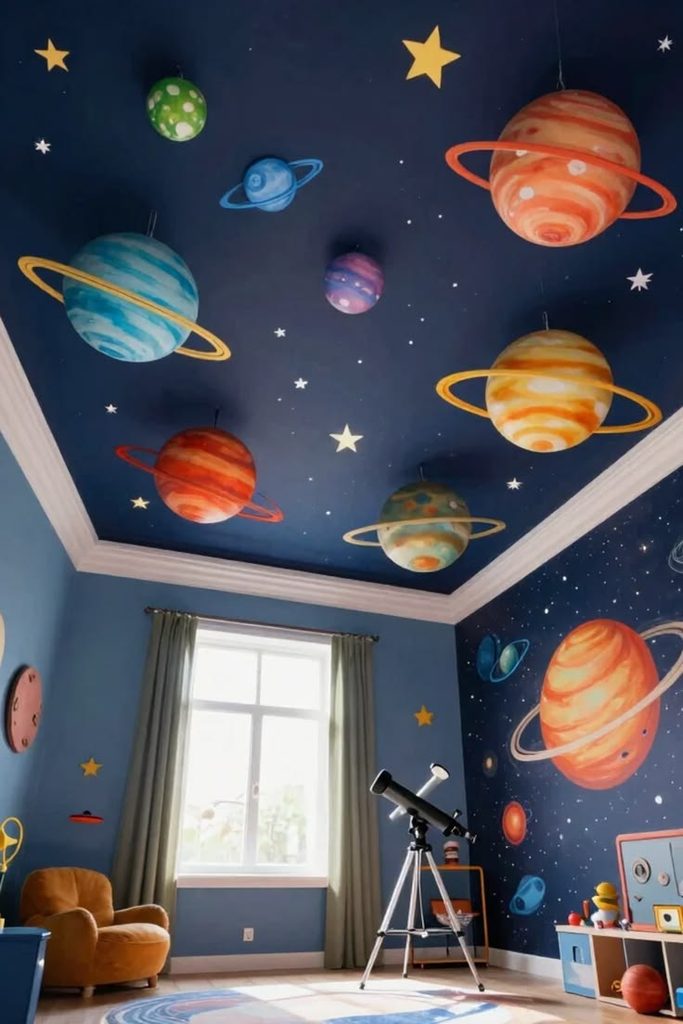
    Painting or using decals on the ceiling turns an often-ignored surface into part of the fun. Stars, planets, or clouds give kids something to look at while falling asleep. It’s a small detail that makes a huge difference in how magical the room feels.

    Practical tip: Glow-in-the-dark paint on a mural adds a bonus nightlight effect without extra electronics.

    This idea suits playful modern and adventure themed rooms best, though a soft cloud ceiling works in almost any style.

    19. Add a Personalized Name Sign or Wall Decal

    Credit: Etsy

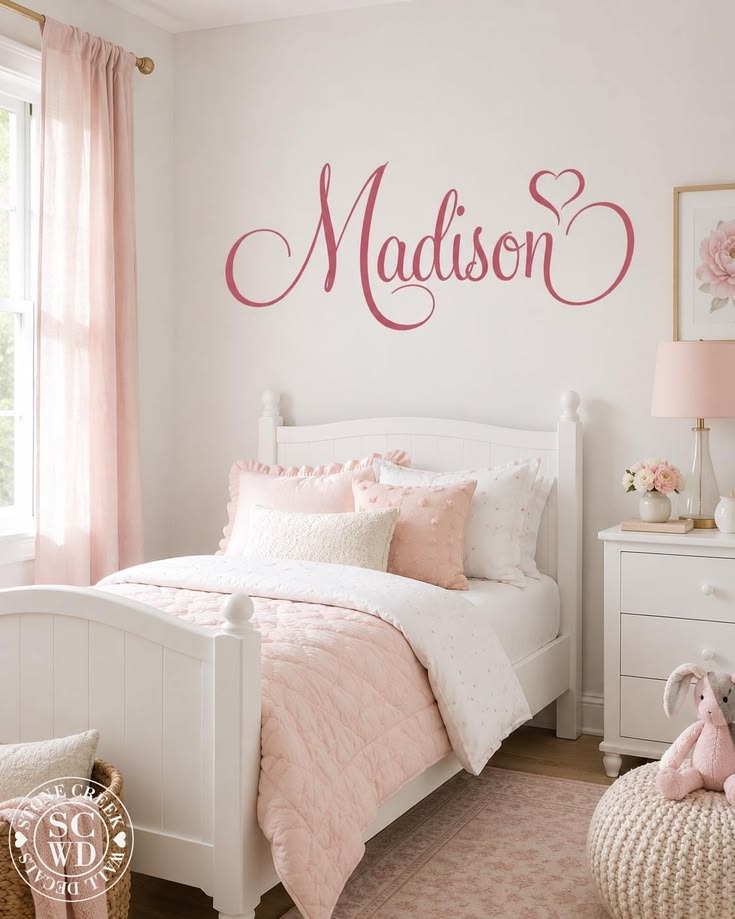
    A wooden name sign or a decal above the bed makes the space feel truly theirs. It’s a small touch, but kids notice when their name is part of the room’s design. Choose materials that match the room’s existing wood tones or paint colors.

    Practical tip: Hang it slightly higher than eye level so it doesn’t get knocked around during play.

    Farmhouse rooms tend to use raw wood letters, while modern rooms prefer clean acrylic or metal versions.

    20. Use a Color-Coded Organization System

    Story Pin image
    Credit: Budget Organization Hacks

    Assign each type of item a color, blue bins for toys, green for books, yellow for art supplies. It sounds simple, but it makes cleanup nearly automatic once kids learn the system. It also adds a cheerful pop of color without needing to redecorate.

    Practical tip: Keep the color system consistent across bins, labels, and even shelf tags for the best results.

    This works in literally any style since you’re just choosing bin colors, not changing furniture.

    21. Include a Cozy Window Seat

    Story Pin image
    Credit: DecorDiary

    If the room has a window with enough space below it, a built-in or cushioned window seat adds a reading spot and hidden storage underneath. It’s one of those features that feels like a splurge but adds real function.

    Practical tip: Use a hinged seat lid for storage access instead of drawers, which saves space in tighter rooms.

    Traditional homes often build these in with wood paneling, while coastal rooms keep it simple with a canvas cushion.

    Tips for Success

    • Involve your kid in at least a few decisions, even something small like picking the rug color, so the room feels like theirs.
    • Buy furniture in stages instead of all at once, so you’re not overwhelmed financially or stuck with pieces that don’t fit right.
    • Keep a “rotation box” for toys and decor so the room doesn’t feel cluttered with everything out at once.
    • Choose washable fabrics and finishes everywhere possible, from curtains to rugs to bedding.
    • Leave some wall space empty at first. Kids’ interests shift fast, and you’ll want room to add things later.
    • Test paint and wallpaper samples on the actual wall before committing to the whole room.
    • Prioritize safety hardware, like anchored furniture and cordless blinds, before focusing on style.

    Common Mistakes and How to Avoid Them

    Overbuying trendy decor
    : Skip character-themed everything. Stick to a few trend pieces that are cheap to swap out, like bedding or a poster, instead of painting a whole room around a phase.

    Ignoring growth stages
    : Choose furniture and themes that can shift as your kid ages, like a convertible bed or a neutral base color with fun accents layered on top.

    Skipping proper storage planning
    : Measure your kid’s actual toy and clothing volume before buying storage, not just what looks nice in a showroom.

    Forgetting safety anchors
    : Always anchor bookshelves, dressers, and TVs to the wall, especially in rooms for kids under seven.

    Overcrowding the floor
    : Leave a clear, open patch of floor for play. A room packed wall to wall with furniture leaves no space for actual kid activities.

    Choosing dark, heavy colors everywhere
    : Balance any bold or dark walls with lighter furniture and bedding so the room doesn’t feel small or gloomy.

    Similar Variations

    • Montessori Kids Room: Low furniture and open floor space designed for independence and easy movement.
    • Adventure Themed Room: Maps, compasses, and earthy tones built around exploration and travel.
    • Minimalist Kids Room: Fewer items, neutral colors, and a strong focus on function over decoration.
    • Whimsical Fairytale Room: Soft pastels, canopy beds, and storybook inspired wall art.
    • Sporty Themed Room: Team colors, sports gear display shelves, and durable, active-play-friendly furniture.
    • Vintage Nursery Crossover: Antique-style furniture mixed with modern safety features for a timeless look.

    Putting a kids room together doesn’t have to feel overwhelming once you break it into small, manageable choices. Start with the basics like the bed and storage, then layer in the fun stuff like lighting, art, and color. Whatever direction you take, these 21 kids bedroom ideas give you a real starting point to build a room your child will actually love and grow into.