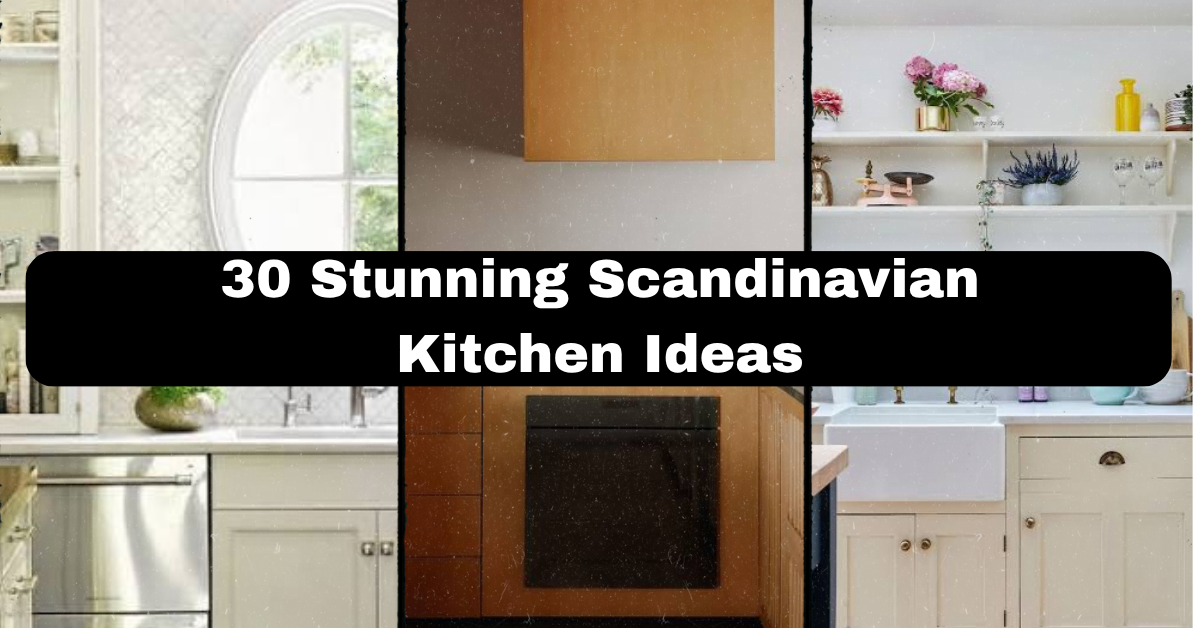
If you’re hunting for 30 Stunning Scandinavian Kitchen Ideas that actually work in real homes, not just in glossy magazines, you’ve landed in the right spot. I’ve dug through design trends, talked to folks who’ve renovated their kitchens, and pulled together the ideas that keep showing up in the best-looking spaces. This isn’t a fluff piece. It’s the real list.
Scandinavian kitchen design refers to a Nordic-inspired style built on light colors, natural materials, and clean lines. The style prioritizes function over decoration, uses wood, white, and muted tones as its base, and avoids clutter. It originated in Denmark, Norway, Sweden, and Finland during the mid-20th century.
Stick around, because I’m about to walk you through everything from paint colors to countertop materials, plus a few tables that make shopping decisions way easier.
What Makes a Kitchen “Scandinavian” Anyway?
Here’s the thing about Scandinavian style. It’s not just white walls and IKEA cabinets. It’s a whole mindset. Nordic countries deal with long, dark winters, so their design leans hard into maximizing light and warmth. Think big windows, pale walls, and wood tones that feel cozy instead of cold. There’s also a strong “less is more” attitude. You won’t find fifteen decorative items cluttering a counter. Everything has a purpose. When I think Scandinavian kitchen, I picture calm, uncluttered spaces where every object earns its spot. It’s minimalist, but never boring, because texture and natural materials do all the heavy lifting.
1. Start With a Bright White Wall Base
White walls are the backbone of almost every Scandinavian kitchen I’ve seen. They bounce light around the room and make everything feel bigger. Go for a warm white instead of a stark, clinical one. Warm whites keep the space feeling inviting instead of sterile.
Practical tip: try a paint with slight cream or beige undertones, like an off-white with a warmth rating of 90+ on the Kelvin scale for interior paints.
This works in almost any home style, from farmhouse to modern minimalist, since white is basically a neutral canvas that plays well with everything.
Once your walls are set, it’s time to think about what goes against them, and that’s where wood comes in.
2. Bring In Natural Wood Cabinets
Light wood cabinets, think ash, birch, or pale oak, are a Scandinavian signature. They add warmth without feeling heavy. Unlike dark wood, which can make a small kitchen feel boxed in, light wood keeps things airy.
Actionable tip: if full cabinet replacement isn’t in budget, refinish existing cabinets with a light wood veneer or whitewash stain.
Traditional homes can lean into oak grain details, while modern spaces might prefer flat-panel birch for a sleeker look.
Wood cabinets pair beautifully with open shelving, which brings us to the next idea.
3. Add Open Shelving for Display and Storage
Open shelves are a Scandinavian favorite because they show off everyday items instead of hiding them behind doors. Stack plates, line up glass jars, or display a few plants. It keeps things functional and pretty at the same time.
Tip: keep only items you use weekly on open shelves. Anything decorative-only creates clutter, which fights the whole point of the style.
This idea shines in coastal and farmhouse kitchens too, since both styles value that “everything has its place” charm.
Now let’s talk finishes, because hardware and fixtures matter more than people think.
Popular Wood Tones for Scandinavian Cabinets
| Wood Type | Color Tone | Best For | Approx. Cost per Linear Foot |
|---|---|---|---|
| Birch | Pale yellow-white | Modern minimalist kitchens | $150-$250 |
| Ash | Light gray-white | Coastal and Nordic-modern mixes | $180-$280 |
| White Oak | Warm beige | Traditional Scandinavian kitchens | $200-$320 |
| Pine | Golden yellow | Rustic Scandinavian kitchens | $100-$180 |
4. Add Matte Black Hardware for Contrast
A Scandinavian kitchen isn’t all whites and wood. You need a little contrast to keep it from feeling flat. Matte black cabinet pulls, faucets, or pendant light fixtures do exactly that. They add a small pop of drama without disrupting the calm vibe.
Tip: stick to one metal finish throughout the kitchen so things feel intentional instead of mismatched.
Industrial and modern farmhouse kitchens also love this black-on-white contrast trick.
Speaking of fixtures, lighting deserves its own spotlight next.
5. Choose Simple Pendant Lighting
Scandinavian lighting favors clean shapes, think globe pendants, simple dome shades, or thin metal frames. Avoid anything ornate or heavily decorated. The goal is function first, style second.
Practical tip: hang pendants 28 to 34 inches above a kitchen island for the right visual balance.
This lighting style also works great in mid-century modern and Japandi kitchens, since both share that same love of simplicity.
Good lighting needs a good floor to bounce off, so let’s head there next.
6. Install Light Wood or Wide-Plank Flooring
Flooring in a Scandinavian kitchen usually mimics the cabinets: pale, natural, and warm. Wide-plank light oak or whitewashed floors are common. They make small kitchens feel bigger and tie the whole room together.
Tip: choose matte-finish flooring over glossy. Matte hides scuffs better and feels more true to the natural Nordic look.
This flooring choice adapts easily to cottage-core and coastal kitchens too, since light floors are basically universal crowd-pleasers.
Next, let’s talk about what goes on your walls behind the stove.
7. Keep Backsplashes Simple and Textural
Scandinavian backsplashes skip the bold patterns. Instead, think plain white subway tile, simple square tiles, or even a continuation of the countertop material. Texture matters more than color here.
Tip: try a handmade-look ceramic tile with slight texture variation for subtle visual interest without loud pattern.
This idea flexes well for modern farmhouse kitchens, which also favor understated backsplashes.
Now that walls and floors are handled, let’s look at a bolder color option some people forget about.
Backsplash Material Comparison
| Material | Look | Maintenance | Price Range (per sq ft) |
|---|---|---|---|
| Ceramic Subway Tile | Clean, classic | Low | $5-$15 |
| Handmade Zellige Tile | Textured, organic | Medium | $15-$30 |
| Quartz Slab | Seamless, modern | Low | $40-$70 |
| Natural Stone Tile | Rustic, varied | Medium-High | $10-$25 |
8. Try Sage or Muted Green Cabinetry
Not every Scandinavian kitchen sticks to white and wood only. Muted sage green cabinets are a growing favorite. They bring in color while staying calm and earthy, which fits the Nordic love of nature.
Tip: pair sage cabinets with brass or unlacquered hardware for a soft, elegant contrast.
This color choice adapts beautifully to cottage and traditional kitchens, since sage feels timeless rather than trendy.
Color leads naturally into texture, so let’s talk woven materials next.
9. Layer in Woven Textures Like Rugs and Baskets
A runner rug in a woven jute or wool blend adds warmth underfoot and softens all those hard surfaces. Baskets for produce or towels do double duty as storage and decor.
Tip: choose washable rugs for kitchen use since spills are inevitable.
Boho and coastal kitchens also lean on woven textures, so this idea travels well beyond Scandinavian spaces.
Let’s move to something bigger: your windows.
10. Let Windows Stay Bare or Nearly Bare
Heavy curtains block light, and light is everything in Scandinavian design. Most Nordic kitchens skip curtains entirely or use sheer, simple linen panels instead.
Tip: if privacy is a concern, try frosted glass film instead of curtains to keep light flowing.
This bare-window approach also fits modern and minimalist kitchens perfectly, since both styles prioritize openness.
Now let’s get into cabinet color combos, because two-tone cabinetry is having a real moment.
11. Mix Two-Tone Cabinets for Depth
Pairing upper white cabinets with lower wood or colored cabinets adds visual interest without overwhelming the space. It’s a subtle way to introduce contrast.
Tip: keep the lighter tone on top to maintain that airy, open feeling Scandinavian kitchens are known for.
Transitional and modern farmhouse kitchens both borrow this two-tone trick often.
Budget Tiers for a Scandinavian Kitchen Refresh
| Budget Tier | What’s Included | Estimated Cost |
|---|---|---|
| Low | Paint, new hardware, open shelving, textiles | $500-$2,000 |
| Mid | Cabinet refacing, new backsplash, lighting update | $5,000-$12,000 |
| High | Full cabinet replacement, countertop swap, flooring | $15,000-$35,000+ |
| Luxury | Custom cabinetry, stone counters, smart appliances | $40,000+ |
12. Choose Butcher Block Countertops for Warmth
Butcher block adds a cozy, tactile element that pairs beautifully with white cabinets. It’s also budget-friendly compared to stone.
Tip: seal butcher block every 6 months with food-safe mineral oil to prevent water damage.
This countertop style also suits farmhouse and rustic kitchens, since wood counters feel handmade and lived-in.
Countertops lead naturally into storage solutions, which Scandinavian design handles cleverly.
13. Go Handleless With Hidden Storage
Push-to-open cabinets and drawers keep the kitchen looking seamless. No hardware means fewer visual interruptions, which supports that clean Nordic look.
Tip: handleless systems cost more upfront but reduce visual clutter dramatically, worth it if budget allows.
Modern and minimalist kitchens use this same trick constantly.
Let’s talk about what to actually put on display once storage is sorted.
14. Display Simple Ceramic and Stoneware
Instead of hiding dishware, Scandinavian kitchens often show off simple stoneware mugs, bowls, and plates on open shelves or in glass cabinets. Neutral tones like cream, gray, and terracotta work best.
Tip: group items by color for a curated, intentional look rather than a jumbled one.
Coastal and Japandi kitchens borrow this display habit too.
Now, let’s bring some living things into the space.
15. Add Potted Herbs or Greenery Near the Window
A few pots of basil, mint, or rosemary on a windowsill bring life into the kitchen and tie back to that Nordic love of nature. Plus, fresh herbs are genuinely useful for cooking.
Tip: choose a sunny spot with at least 4-6 hours of light daily for herb health.
This idea fits nearly every design style, from boho to traditional, since plants are basically universal.
Common Lighting Types in Scandinavian Kitchens
| Lighting Type | Purpose | Placement |
|---|---|---|
| Pendant Lights | Focal point over island | 28-34 inches above counter |
| Under-Cabinet LED | Task lighting | Beneath upper cabinets |
| Recessed Ceiling Lights | Ambient light | Evenly spaced across ceiling |
| Wall Sconces | Accent lighting | Near sink or dining nook |
16. Add a Marble Accent Without Overdoing It
Full marble kitchens can feel cold, but a small marble accent, like an island top or a cutting board, adds elegance without going overboard.
Tip: choose marble with subtle gray veining rather than bold, busy patterns for a calmer look.
This works in traditional and modern kitchens alike, since marble is a flexible material across styles.
17. Pick Simple Wood or Woven Bar Stools
Bar stools in Scandinavian kitchens usually feature simple wood legs and woven or leather seats. Avoid anything overly padded or ornate.
Tip: measure counter height first. Stools should sit 10-12 inches below the countertop surface for comfort.
Coastal and mid-century kitchens use nearly identical stool styles.
18. Build a Cozy Breakfast Nook
A small bench with cushions near a window creates a warm gathering spot. It’s a very Nordic idea, since hygge culture prizes cozy, intimate spaces.
Tip: use washable cushion covers since breakfast nooks see a lot of spills.
Farmhouse and cottage kitchens also love a good breakfast nook.
19. Stick to a Mostly Neutral Palette With One Accent Color
Most Scandinavian kitchens use white, gray, and beige as a base, then add just one accent color, like navy, sage, or terracotta, for personality.
Tip: limit your accent color to 10-20% of the visual space to keep balance.
This restrained color approach fits modern and minimalist styles especially well.
20. Try Terrazzo Flooring for Playful Texture
Terrazzo has quietly become a Scandinavian favorite. It adds subtle pattern and texture while staying neutral overall.
Tip: choose terrazzo with a light background and small flecks for a softer, more Nordic feel.
This flooring choice also works beautifully in modern and Mediterranean-inspired kitchens.
21. Add Brass Fixtures for Soft Warmth
Unlacquered brass faucets and cabinet pulls develop a natural patina over time, adding warmth and history to the space.
Tip: unlacquered brass ages naturally, while lacquered brass stays shiny longer but costs more to replace if damaged.
Traditional and transitional kitchens also favor brass fixtures.
22. Choose a Streamlined Range Hood
Bulky, decorative range hoods clash with Scandinavian simplicity. Stick to a slim, boxy, or integrated hood design instead.
Tip: look for hoods with a flat front panel rather than curved or ornate shapes.
Modern and industrial kitchens use similarly simple hood designs.
23. Use Textiles Like Tea Towels and Table Runners for Color
Small textile touches, like a striped tea towel or a linen table runner, are an easy, low-cost way to add personality.
Tip: swap textiles seasonally to refresh the space without spending much.
Coastal and farmhouse kitchens use this same trick constantly.
Countertop Material Comparison
| Material | Durability | Maintenance | Price Range (per sq ft) |
|---|---|---|---|
| Butcher Block | Medium | High (needs oiling) | $40-$80 |
| Quartz | High | Low | $60-$120 |
| Marble | Medium | High (stains easily) | $75-$150 |
| Laminate | Medium | Low | $20-$50 |
24. Consider Concrete Countertops for an Industrial-Nordic Mix
Concrete counters bring a raw, modern edge while still feeling neutral and calm. They pair surprisingly well with light wood cabinets.
Tip: seal concrete counters annually to prevent staining and cracking.
This works especially well in modern and industrial Scandinavian hybrids.
25. Add Vintage-Inspired Lighting Fixtures
A single vintage-style pendant or sconce adds character without breaking the minimalist rule. Think simple glass globes or aged brass fixtures.
Tip: shop secondhand stores for authentic vintage pieces at a fraction of retail cost.
Traditional and eclectic kitchens also benefit from a vintage lighting touch.
26. Use Glass-Front Cabinets for Visual Lightness
Glass-front upper cabinets let you show off dishware while keeping dust out. They also make upper cabinets feel less heavy visually.
Tip: use frosted glass if you want the light effect without full visibility into cabinets.
This idea fits cottage and traditional kitchens just as well as Scandinavian ones.
27. Make a Wood Island the Room’s Focal Point
A large wood island, especially in a contrasting tone from the surrounding cabinets, becomes a natural gathering spot and visual anchor.
Tip: leave at least 36 inches of clearance around the island for comfortable movement.
Farmhouse and modern kitchens both use wood islands as centerpieces.
Cabinet Hardware Finish Guide
| Finish | Style Match | Maintenance | Price Range (per piece) |
|---|---|---|---|
| Matte Black | Modern, industrial | Low | $5-$15 |
| Unlacquered Brass | Traditional, transitional | Medium | $10-$25 |
| Brushed Nickel | Transitional, coastal | Low | $5-$18 |
| Polished Chrome | Modern | Medium | $6-$20 |
28. Add Wall-Mounted Pot Racks for Function and Style
Hanging pots and pans on a simple wood or metal rack saves cabinet space and adds a lived-in, functional look.
Tip: install racks near the stove for easy access while cooking.
Farmhouse and industrial kitchens also love this space-saving trick.
29. Try Soft Gray Cabinetry for a Cooler Palette
Not every Scandinavian kitchen leans warm. Soft gray cabinets create a cooler, more modern feel while still staying neutral and calm.
Tip: pair gray cabinets with warm wood floors to avoid a cold, flat look.
This gray palette also fits modern and coastal kitchen styles well.
30. Layer Task and Ambient Lighting Together
A well-lit Scandinavian kitchen uses multiple light sources, task lighting under cabinets, ambient overhead lights, and a statement pendant, rather than one single overhead fixture.
Tip: install lighting on separate dimmer switches so you can adjust mood and function independently.
This layered lighting approach works in literally every kitchen style, since good lighting is never a bad idea.
Tips for Success
- Start with the biggest surfaces first (walls, floors, cabinets) before adding small decor touches.
- Don’t buy everything at once. Scandinavian style looks better when it evolves slowly.
- Prioritize natural materials like wood, stone, and wool over synthetic alternatives.
- Keep countertops mostly clear. Empty space is part of the design, not a mistake.
- Test paint colors on your actual wall before committing, since lighting changes everything.
- Mix textures intentionally so the room doesn’t feel flat or one-note.
- Invest in a few quality pieces rather than lots of cheap ones.
Common Mistakes and How to Avoid Them
Overloading the space with decor
: Keep surfaces mostly clear. Choose a few meaningful items instead of many small ones.
Choosing stark, cold white instead of warm white
: Test paint swatches in your kitchen’s actual lighting before painting the whole room.
Mixing too many wood tones
: Stick to one or two complementary wood tones throughout the kitchen for cohesion.
Skipping texture entirely
: Add rugs, woven baskets, or linen textiles to avoid a flat, sterile look.
Using heavy, ornate light fixtures
: Choose simple, clean-lined fixtures that match the minimalist Nordic aesthetic.
Ignoring functional storage needs
: Balance open shelving with closed storage so the kitchen stays both pretty and practical.
Similar Variations
- Japandi Kitchen – A blend of Japanese minimalism and Scandinavian warmth, using dark wood accents with light backgrounds.
- Coastal Scandinavian – Adds beachy blues and weathered wood tones to the classic Nordic base.
- Modern Farmhouse Nordic – Combines rustic farmhouse elements like shiplap with Scandinavian simplicity.
- Danish Hygge Kitchen – Focuses heavily on coziness, soft textiles, and warm lighting over strict minimalism.
- Nordic Industrial – Mixes raw materials like concrete and metal with the light, airy Scandinavian palette.
- Swedish Gustavian – A more traditional, ornate take on Scandinavian design with pale painted furniture and classic detailing.
Putting together a Scandinavian kitchen really comes down to a few core habits: keep it light, keep it natural, and keep it simple. You don’t need to change everything overnight. Start with paint or hardware, then build from there. Whether you go full white-and-wood or add a bold sage accent wall, the heart of the style stays the same: calm, functional spaces that feel good to be in every single day. I hope this list of 30 Stunning Scandinavian Kitchen Ideas gave you a clear, doable roadmap for your own kitchen refresh.
Leave a Reply