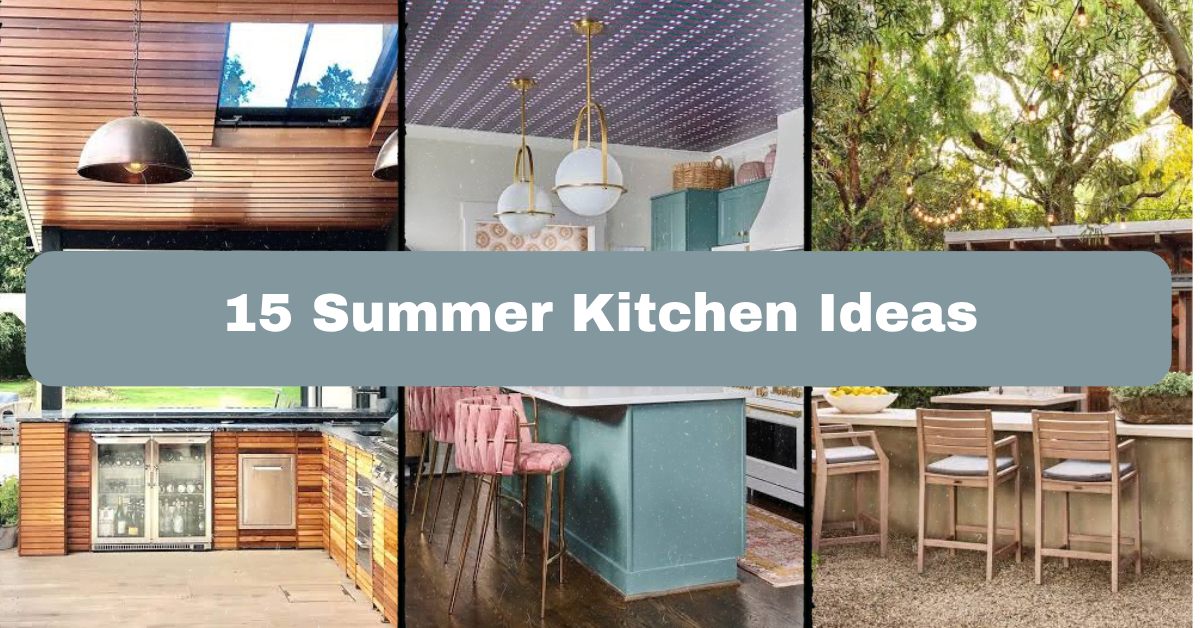
I’ve spent weeks digging through design trends, talking to homeowners, and testing out layouts myself, so I can tell you these 15 Summer Kitchen Ideas are the most practical and complete list you’ll find anywhere. This isn’t a random collection either. It’s a mix of stuff that actually works for real kitchens, not just showroom photos.
A summer kitchen refers to a secondary cooking space, often outdoors or in a converted sunroom, designed to keep heat and cooking smells out of the main house during hot months. It typically includes a stove, sink, and prep area, and can be fully outdoor or semi-enclosed.
Stick around, because I’m about to walk you through everything from budget-friendly tweaks to full outdoor builds. You’ll find something here that fits your space and your wallet.
What Exactly Is a Summer Kitchen (And Why You Might Want One)
So here’s the deal. A summer kitchen is basically a second kitchen setup that lives outside your main living space. Think patios, screened porches, or even a separate small structure in your backyard. People started building these way back when homes didn’t have good ventilation, and cooking indoors during July meant turning your whole house into an oven.
Today, summer kitchens are more about lifestyle than necessity. You get to grill, prep, and entertain without heating up your air-conditioned house. Plus, they’re just fun. You’re cooking with fresh air, maybe a breeze, maybe some string lights overhead. It’s a whole vibe. Now let’s get into the good stuff.
1. Build a Covered Outdoor Cooking Station
A covered station protects your grill, smoker, and prep counters from sun and rain. Use a pergola or a simple metal roof to create shade. This keeps you cooking comfortably even when it’s blazing hot outside.
Pick materials like teak or powder-coated aluminum since they hold up against weather. Add a stone or concrete countertop for durability.
Practical tip: Position the cooking station so smoke blows away from seating areas, not into them.
This works great for modern or farmhouse-style homes alike, just swap the roof material to match your aesthetic.
Next up, let’s talk about keeping things cool with the right color choices.
2. Choose Light, Airy Color Palettes
Dark colors absorb heat. Light colors reflect it. That’s why summer kitchens usually lean into whites, soft blues, and pale wood tones.
This isn’t just about temperature though. Light colors make small outdoor spaces feel bigger and more open. Pair white cabinets with a light gray countertop for a clean, breezy look.
Tip: Test paint swatches outside at different times of day before committing, since outdoor lighting changes how colors look.
Coastal and Scandinavian styles naturally fit this palette, but even traditional kitchens can soften up with lighter tones.
Once your colors are set, you’ll want furniture that matches that same relaxed energy.
3. Add Weather-Resistant Furniture
Regular indoor furniture won’t survive humidity, rain, or intense sun. Look for teak, wicker, or resin furniture built specifically for outdoor use.
A simple bistro table with two chairs works for small spaces. Bigger areas can handle a full dining set with a bench or two.
Tip: Choose cushions with removable, washable covers since they’ll get dirty fast outside.
Modern farmhouse kitchens often use black metal frames, while coastal designs lean toward light rattan or woven textures.
Now that seating’s sorted, let’s figure out the actual cooking setup.
Furniture Material Comparison for Summer Kitchens
| Material | Durability | Maintenance Level | Average Cost Range |
|---|---|---|---|
| Teak Wood | Excellent | Low | $$$ |
| Wicker (Synthetic) | Good | Low | $$ |
| Metal (Powder-Coated) | Excellent | Medium | $$$ |
| Rattan (Natural) | Fair | High | $ |
| Resin/Plastic | Good | Very Low | $ |
4. Install a Compact Outdoor Sink
Having water access outside changes everything. You don’t need to run back inside to rinse veggies or wash your hands.
A small stainless steel sink works well and resists rust. Connect it to your home’s plumbing if possible, or use a simple garden hose setup for a more basic version.
Tip: Add a small drying rack nearby so dishes and cups have somewhere to go after washing.
Rustic and industrial kitchens often expose the pipes for a raw, functional look, while modern designs hide them completely.
Speaking of function, let’s talk storage next.
5. Add Open Shelving for Quick Access
Open shelves let you grab spices, plates, and tools fast without digging through cabinets. This matters a lot outdoors where you’re moving between grill and prep area constantly.
Use weatherproof wood or metal brackets. Keep items you use often, like oils, seasonings, and serving dishes, front and center.
Tip: Store items in clear glass jars so you can see what’s inside without opening lids, which is handy when your hands are messy.
Farmhouse and industrial kitchens both use this style well, especially with exposed wood or black iron brackets.
Storage sorted, now let’s think about shade and comfort.
6. Use Retractable Awnings for Flexible Shade
Awnings give you control. Pull them out when the sun’s brutal, retract them when you want more light or a view of the stars at night.
Choose fabric that’s UV-resistant and mildew-resistant since it’ll face a lot of sun and moisture. Canvas and acrylic blends work best.
Tip: Get a manual crank version if you want something budget-friendly, or invest in motorized if you want convenience.
Traditional and Mediterranean-style kitchens often use striped awnings, while modern spaces prefer solid neutral tones.
Now, let’s bring in some greenery to soften the whole space.
7. Incorporate Herb Gardens Near the Cooking Area
Nothing beats grabbing fresh basil or mint two steps from your grill. Herb gardens add function and beauty at the same time.
Use raised planter boxes or hanging pots along a fence or railing. Basil, rosemary, thyme, and mint all do well in summer heat.
Tip: Group herbs by watering needs so you’re not overwatering some while underwatering others.
Cottage-style kitchens thrive with this idea, but modern spaces can do it too with sleek metal planters instead of terracotta pots.
Let’s move from greenery to lighting, because evenings matter too.
8. Layer String Lights and Lanterns for Evening Ambiance
Summer days are long, but eventually the sun goes down and you still want to be out there cooking or eating. String lights and lanterns solve that problem beautifully.
Hang string lights across pergolas or beams. Add lanterns on tables or hooks for softer, warmer light closer to eye level.
Tip: Use solar-powered lights if you don’t want to deal with extension cords or outlets.
Bohemian and coastal kitchens love warm, golden string lights, while modern spaces might prefer sleek LED strips instead.
Lighting handled, let’s talk about flooring next since it takes a beating outdoors.
Budget Tiers for Summer Kitchen Upgrades
| Budget Tier | What You Can Do | Estimated Cost |
|---|---|---|
| Low ($200-$800) | String lights, herb garden, small furniture | $200-$800 |
| Mid ($800-$3,000) | Open shelving, sink install, awning | $800-$3,000 |
| High ($3,000-$10,000+) | Covered cooking station, full outdoor kitchen build | $3,000-$10,000+ |
9. Pick Durable, Slip-Resistant Flooring
Outdoor floors deal with spills, rain, and constant foot traffic. Regular tile can get slippery and dangerous when wet.
Textured concrete, natural stone, or composite decking all work great. They resist water damage and provide better grip.
Tip: Test flooring samples with wet feet before installing to check how slippery they actually get.
Mediterranean kitchens often use terracotta tile, while modern outdoor spaces lean toward polished concrete or gray composite decking.
Once your floor’s solid, it’s time to think about how you’ll actually store cooking tools.
10. Build in Weatherproof Storage Cabinets
You need somewhere to keep grilling tools, extra plates, and cleaning supplies that isn’t exposed to rain and sun all the time.
Marine-grade polymer cabinets resist moisture better than regular wood. Stainless steel is another solid option that won’t rust easily.
Tip: Add a small lock to at least one cabinet if kids or pets have access to the outdoor space.
Coastal kitchens often go with white polymer cabinets, while industrial styles prefer black or gray metal finishes.
Now let’s talk about one of my favorite features: the pizza oven.
11. Add a Wood-Fired Pizza Oven
This one’s a showstopper. A wood-fired oven turns your summer kitchen into a legit entertainment hub. Guests gather around, watch the fire, and eat pizza straight from the oven.
Brick or clay ovens hold heat the longest and give that authentic smoky flavor. Smaller portable versions work too if space is tight.
Tip: Let the oven fully preheat for at least 30 minutes before cooking for the best crust results.
Rustic and Mediterranean kitchens are a natural fit here, but even modern outdoor spaces can pull it off with a sleek black oven design.
From ovens to bars, let’s talk about drink stations next.
12. Set Up a Dedicated Beverage Station
Summer means lemonade, iced tea, and cold drinks all day long. A beverage station keeps everyone out of your main cooking area while grabbing refreshments.
Add a small fridge, ice bin, and a few pitchers on a rolling cart or built-in counter. Keep cups and straws nearby too.
Tip: Use a chalkboard sign to label drink options, especially handy when hosting guests who don’t know what’s available.
Farmhouse kitchens often use rustic wood carts, while modern spaces prefer built-in stainless steel coolers.
Let’s shift gears now and talk about ventilation, which matters even outside.
13. Improve Airflow with Ceiling Fans or Vents
Even outdoors, stagnant hot air makes cooking uncomfortable. Ceiling fans mounted under a covered area keep air moving and help with bugs too.
Choose fans rated for outdoor or wet locations since regular indoor fans will rust or malfunction.
Tip: Install the fan at least seven feet above the ground for safety and better air circulation.
This works across almost every style, though modern kitchens often choose sleek black fan blades while traditional spaces go with wood tones.
Now let’s talk about something people often overlook: countertop material.
14. Choose Heat and Stain-Resistant Countertops
Your countertop takes constant abuse from hot pots, spilled sauces, and sun exposure. Not every material can handle that.
Granite and concrete both resist heat and stains well. Butcher block looks charming but needs more maintenance in humid conditions.
Tip: Seal stone countertops annually to keep them stain-resistant and looking fresh.
Modern kitchens often use polished concrete, while traditional and farmhouse spaces lean toward natural stone with visible texture.
Let’s wrap up the main ideas with a few finishing touches.
15. Add a Fire Pit or Fireplace Nearby
Once cooking’s done, a fire pit keeps the evening going. It’s a great spot for dessert, drinks, or just hanging out after dinner.
Gas fire pits are low-maintenance, while wood-burning ones give that classic campfire feel and smell.
Tip: Keep the fire pit at least ten feet from any structure for safety reasons.
Bohemian and rustic kitchens often surround the fire pit with mismatched seating, while modern spaces prefer clean-lined built-in benches.
That wraps up the core ideas, but let’s cover a few tips to help everything come together smoothly.
Tips for Success
- Start with a rough sketch of your space before buying anything, so you know what actually fits.
- Prioritize shade first if you live somewhere with intense summer heat, since comfort matters more than looks.
- Invest in quality outdoor-rated electrical outlets if you’re adding lighting or appliances, since regular ones can fail in wet conditions.
- Keep walkways at least three feet wide so people can move easily between cooking and seating areas.
- Choose plants that thrive in your specific climate zone instead of picking based on looks alone.
- Test furniture placement before finalizing, especially near grills, to avoid smoke blowing into seating areas.
- Add a small trash and recycling bin nearby so cleanup stays easy during and after cooking.
Common Mistakes and How to Avoid Them
Skipping proper drainage
: Water pooling under cooking stations or flooring causes mold and damage. Always slope surfaces slightly away from structures.
Using indoor materials outdoors
: Regular wood or fabric breaks down fast in sun and rain. Stick to materials labeled specifically for outdoor use.
Ignoring smoke direction
: Placing seating directly in the smoke path from grills or fire pits ruins the experience. Check wind patterns before finalizing layout.
Overcrowding the space
: Cramming too much furniture or too many features makes the area feel cluttered and hard to move through. Leave breathing room between zones.
Forgetting nighttime lighting
: A gorgeous daytime kitchen becomes useless at night without proper lighting. Plan for both ambient and task lighting from the start.
Choosing style over function
: A beautiful setup that doesn’t actually work for your cooking habits gets used less. Always prioritize how you’ll really use the space.
Similar Variations
- Coastal Outdoor Kitchen: Light woods, white finishes, and nautical touches like rope and blue accents.
- Rustic Farmhouse Summer Kitchen: Reclaimed wood, exposed brick, and vintage-style fixtures for a cozy, lived-in feel.
- Modern Minimalist Outdoor Kitchen: Clean lines, monochrome colors, and sleek stainless steel appliances.
- Mediterranean-Inspired Summer Kitchen: Terracotta tile, wrought iron details, and warm earthy tones throughout.
- Industrial Outdoor Cooking Space: Exposed metal, concrete surfaces, and utilitarian design choices.
- Bohemian Garden Kitchen: Mixed textures, hanging plants, and eclectic furniture pieces for a relaxed, artsy vibe.
Building the right outdoor cooking space really comes down to matching your climate, your style, and how you actually plan to use it. Whether you go big with a wood-fired oven or keep it simple with a herb garden and some string lights, the goal is the same: enjoy summer without turning your kitchen into a sauna. I hope these 30 Summer Kitchen Ideas give you a solid starting point for creating a space you’ll actually want to spend time in this year.
Leave a Reply