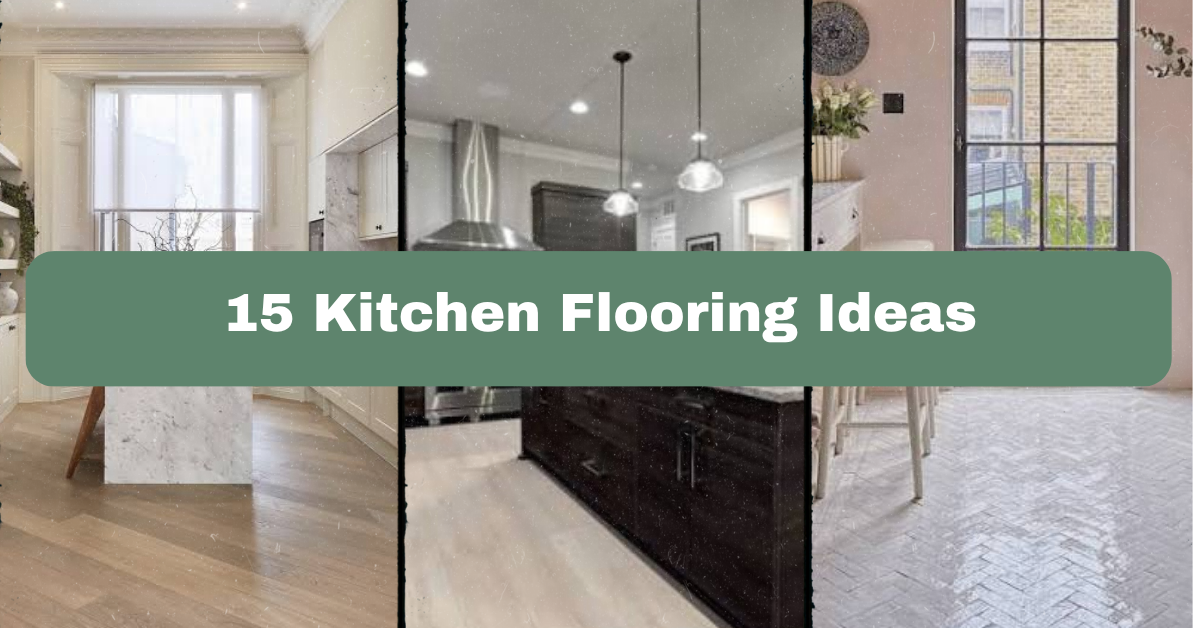
I’m about to walk you through 15 kitchen flooring ideas that cover every style, budget, and lifestyle you can think of, so by the end of this you’ll know exactly what fits your space. I’ve dug into materials, colors, patterns, and layouts so you don’t have to guess your way through this decision. Trust me, picking kitchen flooring feels overwhelming until you see all your options laid out clearly.
Kitchen flooring refers to the surface material installed in a kitchen, chosen for durability, water resistance, and style. Common types include tile, hardwood, vinyl, laminate, concrete, and stone, each offering different price points and maintenance needs.
Stick around because I’m sharing budget breakdowns, mistake-proofing tips, and comparisons that most articles skip completely.
What Makes Kitchen Flooring Different From Other Rooms
Here’s the thing about kitchen floors: they take a beating that no other room in your house deals with. You’ve got spills, dropped pans, grease splatters, and constant foot traffic. So while your living room floor just needs to look nice, your kitchen floor needs to survive daily chaos and still look good doing it.
That’s why picking kitchen flooring isn’t just about color swatches. It’s about balancing looks with function. I’ve grouped these 15 ideas so you can see what works for busy families, small kitchens, open-concept homes, and everything in between. Some ideas focus on materials, others on patterns or color choices. Let’s get into it.
1. Go Classic With Wide-Plank Hardwood
Wide-plank hardwood brings warmth into a kitchen that tile just can’t match. Oak, maple, and hickory are popular picks because they resist wear better than softer woods. The wider planks make small kitchens look bigger since there are fewer seams breaking up the visual flow.
Pick a matte or satin finish instead of high gloss. Glossy floors show scratches fast in high-traffic kitchens.
This works beautifully in farmhouse, traditional, and modern kitchens alike. Just adjust the wood tone: lighter woods lean modern, darker tones feel more traditional.
Now if hardwood feels too high-maintenance for your lifestyle, let’s look at an alternative that mimics the look without the fuss.
2. Try Luxury Vinyl Plank for Real Wood Looks
Luxury vinyl plank (LVP) has come a long way. It looks like real wood but handles water like a champ. No warping, no swelling, no babying it after a spill.
I recommend LVP for kitchens near sliding doors or sinks where water exposure is constant. It’s also softer underfoot than tile, which your back will thank you for during long cooking sessions.
Actionable tip: choose LVP with an embossed texture, not just a printed pattern. It feels more realistic and hides dirt better.
This flooring adapts to nearly every style since it comes in dozens of wood-look finishes, from weathered gray to rich walnut.
Speaking of water resistance, let’s talk about a material that’s basically indestructible.
3. Install Porcelain Tile for Maximum Durability
Porcelain tile is dense, water-resistant, and barely scratches. It’s a workhorse. You can get it in wood-look planks, stone-look slabs, or classic square tiles.
The downside? It’s hard and cold underfoot. A heated flooring system underneath solves that if your budget allows it.
Practical tip: choose a matte or textured finish for kitchen floors. Glossy tile gets slippery when wet, and nobody wants to slip while carrying a hot pan.
Porcelain tile fits modern, Mediterranean, and industrial kitchens especially well because of its clean lines and range of finishes.
If you love the look of natural stone but want something more forgiving, here’s your next option.
4. Choose Natural Stone for an Elevated Look
Travertine, slate, and limestone bring texture and natural variation that manufactured materials can’t fully replicate. Every tile looks slightly different, which gives your kitchen a custom, high-end feel.
Stone needs sealing every year or two to prevent staining, so factor that into your maintenance routine. It’s also porous, so wipe up spills quickly, especially wine or oil.
This flooring shines in Mediterranean, rustic, and farmhouse kitchens where that organic, earthy vibe is the whole point.
Now let’s move into color and pattern choices, because material is only half the equation.
Material Comparison Table
| Material | Price Range (per sq ft) | Water Resistance | Maintenance Level | Lifespan |
|---|---|---|---|---|
| Hardwood | $6-$18 | Low-Medium | High | 30-100 years |
| Luxury Vinyl Plank | $2-$7 | High | Low | 10-20 years |
| Porcelain Tile | $3-$10 | Very High | Low | 50+ years |
| Natural Stone | $8-$20 | Medium | High | 50+ years |
| Laminate | $1-$5 | Low | Medium | 15-25 years |
| Concrete | $2-$8 | High | Medium | 50+ years |
5. Add a Checkerboard Pattern for Retro Charm
Black and white checkerboard flooring instantly brings a diner-style, retro energy into your kitchen. It’s bold, but it works surprisingly well in both vintage and modern spaces.
Keep your cabinets and walls simple if you go this route. The floor is already doing a lot of visual work, so don’t compete with it.
Practical tip: use a 12×12 inch tile size for a classic look, or go smaller (6×6) for a more delicate, cottage feel.
This pattern adapts to retro diners, modern farmhouses, and even coastal kitchens if you swap black for navy blue.
If checkerboard feels too bold, herringbone offers a subtler way to add pattern.
6. Lay Herringbone Tile for Subtle Movement
Herringbone patterns create visual interest without shouting for attention. The zigzag layout adds movement to a room, especially in wood-look tile or LVP.
This pattern works great in narrow kitchens because the diagonal lines can visually widen the space. I’ve seen it completely transform a cramped galley kitchen into something that feels open and intentional.
Actionable tip: keep grout lines thin (1/16 inch) for a cleaner, more seamless look.
Herringbone suits modern, transitional, and French country kitchens equally well.
Let’s shift gears now and talk about color choices, since that impacts your whole kitchen’s mood.
7. Choose Light Gray Tones for a Modern, Airy Feel
Light gray flooring, whether tile, LVP, or stone, creates a clean, neutral backdrop. It pairs with almost any cabinet color and doesn’t show dust as easily as pure white.
Gray floors work especially well if your kitchen doesn’t get tons of natural light. The cool tone brightens the space without feeling stark.
Tip: pair light gray floors with warm wood cabinets to avoid a cold, sterile look.
This color choice fits modern, Scandinavian, and minimalist kitchens best.
If gray feels too trendy for your taste, warm beige tones offer a timeless alternative.
8. Warm Up the Space With Beige and Tan Flooring
Beige and tan floors hide dirt way better than lighter or darker options, which matters a ton in a high-traffic kitchen. These tones also create a cozy, inviting feel that pairs beautifully with wood cabinetry and warm lighting.
I like beige for kitchens with lots of stainless steel appliances since it softens the overall look and keeps things from feeling too industrial or cold.
Practical tip: test flooring samples under your kitchen’s actual lighting before committing. Beige can look pink or yellow depending on your bulbs.
This shade works in traditional, farmhouse, and transitional kitchen styles.
Next, let’s talk about going bold with darker floors.
9. Go Bold With Dark Walnut or Espresso Tones
Dark flooring adds drama and grounds a kitchen, especially one with white or light-colored cabinets. The contrast creates a striking, high-end look that photographs beautifully.
The tradeoff is that dark floors show dust, crumbs, and pet hair more visibly than lighter tones. If you go this route, plan on sweeping more often.
Tip: pair dark floors with lighter countertops and backsplash to balance the visual weight of the room.
This works in modern, contemporary, and industrial kitchens where bold contrast is part of the design language.
Budget Tier Breakdown
| Budget Tier | Total Cost (200 sq ft kitchen) | Best Materials | What You Get |
|---|---|---|---|
| Budget-Friendly | $500-$1,500 | Laminate, sheet vinyl | Basic durability, limited style options |
| Mid-Range | $1,500-$4,000 | LVP, ceramic tile | Good durability, wide style variety |
| High-End | $4,000-$8,000 | Hardwood, porcelain | Excellent durability, premium look |
| Luxury | $8,000+ | Natural stone, custom patterns | Maximum durability, one-of-a-kind design |
10. Mix Two Materials for a Zoned Kitchen
If your kitchen flows into a dining or living space, using two different flooring materials can define each zone without needing walls. Tile in the cooking area and hardwood in the dining area is a classic combo that still feels cohesive.
This works especially well in open-concept homes where you want distinct “rooms” without closing anything off.
Actionable tip: use a transition strip or a straight line where cabinetry ends to make the material switch feel intentional, not accidental.
This approach fits modern open-concept homes, farmhouse kitchens, and loft-style spaces particularly well.
Now, let’s talk about a texture option that’s growing fast in popularity.
11. Polish Concrete for an Industrial Statement
Polished concrete gives you a sleek, seamless floor with zero grout lines to clean. It’s incredibly durable and works well with radiant heating systems if you want warmth underfoot.
The look is inherently industrial, but you can soften it with warm lighting, wood accents, and textured rugs.
Tip: ask for a decorative stain or dye during installation if you want more than plain gray. Concrete takes color beautifully.
This flooring fits industrial, modern, and loft-style kitchens best, though it can work in minimalist farmhouse spaces too.
If concrete feels too cold, cork flooring offers warmth with similar eco-friendly appeal.
12. Choose Cork for a Soft, Sustainable Surface
Cork flooring is naturally soft underfoot, which makes standing at the stove for long periods way more comfortable. It’s also a renewable material, harvested without cutting down trees, so it’s a solid pick if sustainability matters to you.
Cork resists mold and insects naturally, and it has a warm, earthy look that fits cozy kitchen designs.
Practical tip: reseal cork every 3-5 years to maintain its water resistance.
This works great in eco-conscious, Scandinavian, and cottage-style kitchens.
Let’s look at one more pattern option before wrapping up the design ideas.
13. Install Large-Format Tile for a Seamless Look
Large-format tiles, typically 24×24 inches or bigger, minimize grout lines and create a clean, expansive look. Fewer seams mean less grout to clean, which is a big win in a kitchen.
This style works especially well in open kitchens where you want the floor to feel like one continuous surface rather than a patchwork of tiles.
Tip: make sure your subfloor is perfectly level before installing large-format tile, since any dips will be way more noticeable than with smaller tiles.
This suits modern, minimalist, and contemporary kitchens where clean lines are the goal.
14. Use Patterned Encaustic Tile for a Statement Floor
Encaustic tiles come with intricate patterns baked right into the material, not just printed on top. They add serious personality and work as a focal point even without much other decoration.
I love these for kitchens that feel a little plain otherwise. The pattern does the heavy lifting so you don’t need much else.
Actionable tip: keep your cabinets and walls neutral if you choose a busy encaustic pattern. Let the floor shine.
This style fits Mediterranean, Moroccan, and eclectic bohemian kitchens beautifully.
15. Add Warmth With Radiant Heated Flooring
Radiant heating installed under tile or stone solves the cold-floor problem completely. You step out of bed, walk into the kitchen, and your feet stay warm even in winter.
This addition works with almost any hard flooring material, though it’s most common under tile and stone since those materials conduct heat well.
Tip: install a programmable thermostat so the system only runs during hours you’re actually in the kitchen, saving energy.
This upgrade fits any style since it’s invisible. It just makes whatever floor you choose feel better.
Tips for Success
- Always order 10% extra flooring material to account for cuts, waste, and future repairs
- Test flooring samples in your actual kitchen lighting before finalizing your choice
- Choose slip-resistant finishes near sinks, stoves, and entry points
- Match your flooring’s formality to your cabinet style so the whole room feels intentional
- Budget for underlayment and subfloor prep, not just the visible flooring material
- Ask installers about warranty coverage before signing any contract
- Consider how the flooring transitions to adjacent rooms, especially in open-concept homes
Common Mistakes and How to Avoid Them
Choosing flooring before cabinets
: Pick your cabinet color and style first, then choose flooring that complements it. Doing it backward often leads to mismatched tones.
Ignoring slip resistance
: Always check the coefficient of friction rating on tile, especially near water sources. A beautiful floor isn’t worth a fall.
Skipping the underlayment
: Cheap or missing underlayment leads to squeaky floors, poor insulation, and shorter lifespan. Never skip this step to save money.
Going too trendy
: Ultra-trendy patterns or colors can feel dated within a few years. Balance trendy elements with timeless base materials.
Forgetting about maintenance reality
: Light-colored grout and porous stone require more upkeep than most people expect. Be honest about your cleaning habits before committing.
Not accounting for expansion gaps
: Hardwood and laminate need room to expand and contract with humidity changes. Skipping this causes buckling over time.
Similar Variations
- Bathroom Flooring Ideas: Similar material considerations but with even higher water resistance needs
- Basement Flooring Ideas: Focuses on moisture control and insulation from concrete slabs
- Mudroom Flooring Ideas: Prioritizes extreme durability and easy cleaning for dirt and debris
- Sunroom Flooring Ideas: Balances UV resistance with temperature fluctuation tolerance
- Laundry Room Flooring Ideas: Emphasizes water resistance similar to kitchens but with less foot traffic
Picking the right kitchen floor really comes down to knowing your lifestyle, your budget, and the look you’re going for. Whether you lean toward warm hardwood, tough porcelain tile, or a bold checkerboard pattern, the right choice is out there waiting for you. I hope this rundown of 15 kitchen flooring ideas gave you the clarity and confidence to finally make a decision you’ll love for years to come.
Leave a Reply