
I’ve spent way too many nights scrolling through bedroom photos trying to figure out why my room felt cluttered even when it was technically clean, and that’s exactly why I put together these 15 stunning minimalist bedroom ideas so you don’t have to waste your time guessing. This isn’t a rushed list either. I dug into what actually works, what looks good in real homes (not just staged photos), and what you can pull off on a normal budget.
A minimalist bedroom is a sleeping space designed around simplicity, using limited furniture, a restrained color palette, and clutter-free surfaces. The goal is visual calm and function, achieved through decluttering, neutral tones, and intentional decor choices rather than empty or cold rooms.
Stick around, because I’m about to walk you through specific ideas, real design combos, and a few mistakes I made so you don’t repeat them.
What Minimalist Bedroom Design Really Means
So here’s the thing about minimalism. It’s not about having an empty room with a mattress on the floor. I used to think that too. Real minimalist design is about keeping only what serves a purpose or brings you joy, then arranging it thoughtfully. Think clean lines, a tight color scheme, and furniture that actually earns its spot in the room.
The best part? Minimalist bedrooms tend to feel bigger, calmer, and easier to keep clean. Less stuff means less visual noise, which means your brain gets to relax the second you walk in. That’s the whole point. Now let’s get into the ideas.
1. Choose a Low-Profile Platform Bed

A platform bed sits low to the ground and skips the bulky headboard most beds have. This instantly makes a room feel more open. I switched to one a few years back and the difference in how “airy” my room felt was almost instant.
Stick to wood or upholstered frames in neutral tones like oak, walnut, or soft gray. Skip footboards entirely since they just add visual weight.
Practical tip: measure your ceiling height first. Low beds work best in rooms with 8-foot ceilings or higher so the proportions feel balanced.
This idea flexes well across styles. Scandinavian rooms love light wood platforms, while modern spaces lean toward dark walnut or matte black frames.
Once your bed is settled, the next thing to think about is what’s actually on top of it.
2. Layer Simple, Breathable Bedding
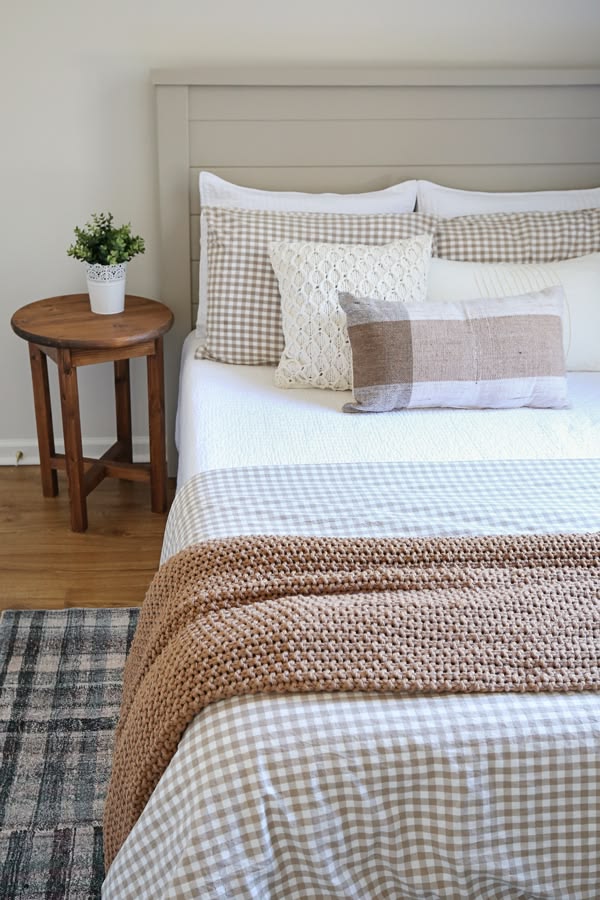
Minimalist bedding doesn’t mean boring. It means fewer patterns and better materials. Linen and cotton in white, sand, or soft gray tend to look expensive without trying too hard.
Stick to two or three layers max: a fitted sheet, a duvet, and maybe one throw blanket. Skip the mountain of decorative pillows. Two to four is plenty.
Practical tip: wash linen bedding a few times before use. It softens up and gets that slightly wrinkled, lived-in look that minimalist rooms are known for.
Coastal bedrooms often use crisp white linen, while traditional spaces might add a subtle texture like waffle-weave cotton for warmth.
Now that your bed looks the part, let’s talk about the walls around it.
3. Paint Walls in Warm Neutral Tones

White walls get all the attention in minimalist design, but honestly, warm neutrals like greige, soft beige, or pale taupe often work better. They keep the calm vibe without feeling sterile or cold.
Avoid stark white unless your room gets a ton of natural light. In low-light rooms, stark white can look flat and gray instead of clean.
Practical tip: test paint samples on your actual wall at different times of day before committing. Lighting changes everything.
Modern minimalist rooms often go with cooler grays, while traditional or farmhouse-inspired spaces lean into warmer creams and tans.
Once your walls are sorted, it’s time to think about what goes on the floor.
4. Add a Textured Area Rug for Warmth

A bare floor can feel a little harsh, especially in a minimalist room where there’s nothing else competing for attention. A simple wool or jute rug adds warmth without adding clutter.
Stick to solid colors or very subtle patterns. Anything busy will fight with the calm vibe you’re going for.
Practical tip: size your rug so it extends at least 18 inches beyond each side of the bed. Anything smaller looks like an afterthought.
Coastal bedrooms love jute and sisal textures, while modern spaces often go with flat-weave wool in charcoal or cream.
Color Palette Combinations for Minimalist Bedrooms
| Palette Name | Wall Color | Bedding | Accent Color | Best For |
|---|---|---|---|---|
| Warm Sand | Beige/Greige | Cream Linen | Terracotta | Traditional, Boho |
| Cool Slate | Light Gray | White Cotton | Charcoal | Modern, Scandinavian |
| Soft Sage | Pale Green | Off-White | Walnut Brown | Coastal, Japandi |
| Pure Monochrome | White | Gray Linen | Black | Modern, Industrial |
Now let’s get into how to actually store your stuff without ruining the look.
5. Use Hidden Storage to Keep Surfaces Clear
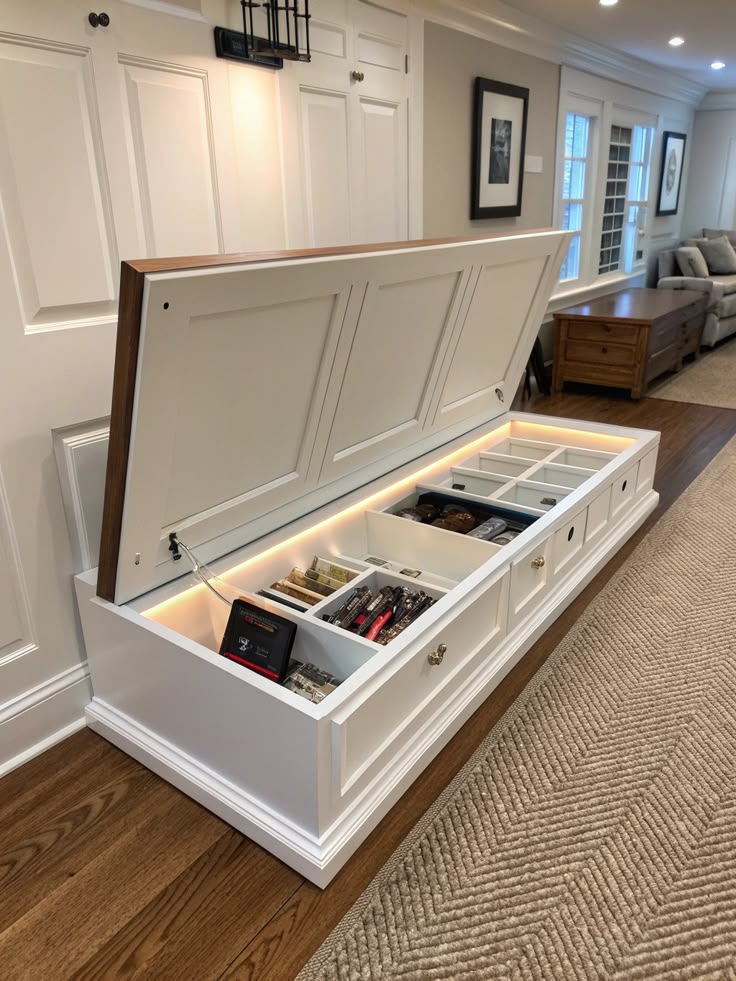
Clutter kills minimalism faster than anything else. The trick isn’t owning less stuff necessarily, it’s hiding what you do own. Beds with drawers underneath, closed cabinets, and under-bed bins all work great.
Avoid open shelving unless you’re extremely disciplined about what goes on it. Trust me, open shelves turn into junk collectors fast.
Practical tip: do a “one in, one out” rule. Every time something new comes into your bedroom, something else leaves.
Traditional homes might use a cedar chest at the foot of the bed, while modern rooms favor built-in wall storage with flush cabinet doors.
Once storage is handled, lighting becomes your next big opportunity.
6. Install Soft, Layered Lighting
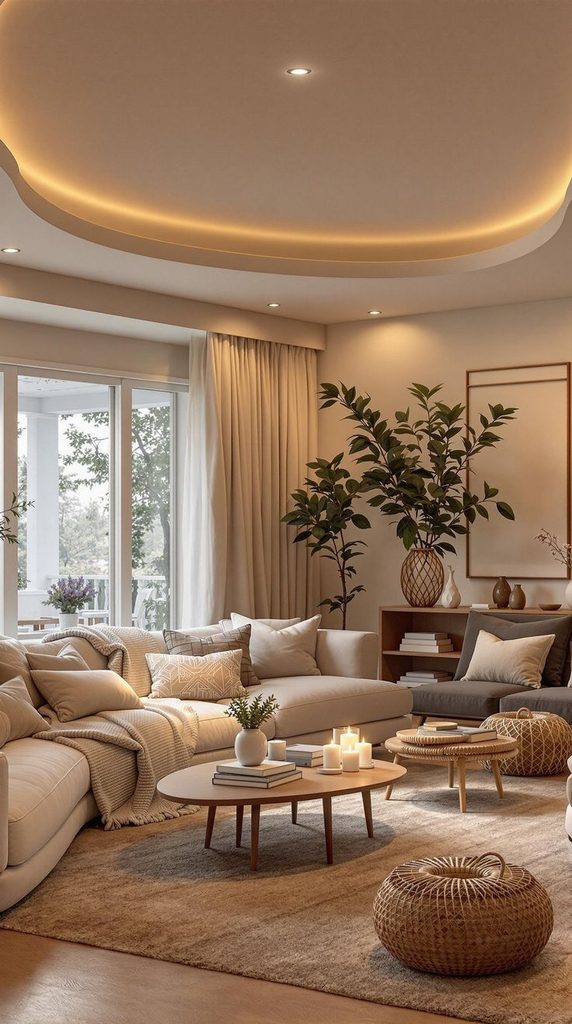
Harsh overhead lighting makes any room feel clinical. Minimalist bedrooms rely on layered lighting instead: a ceiling fixture, a bedside lamp, and maybe a floor lamp in the corner.
Stick to warm-toned bulbs (around 2700K) for a cozy glow. Cool white bulbs can feel more like an office than a bedroom.
Practical tip: install a dimmer switch if you can. It’s a small change that makes a huge difference in how relaxing the room feels at night.
Japandi-style rooms often use paper lantern-style fixtures, while modern spaces prefer sleek, geometric metal lamps.
Speaking of lamps, let’s talk about nightstands and what actually belongs on them.
7. Keep Nightstands Simple and Symmetrical

A nightstand should hold the essentials only: a lamp, maybe a book, and a small tray for jewelry or a phone. That’s it. Matching nightstands on both sides of the bed also create a sense of balance that feels calming.
Choose nightstands with at least one drawer so you have somewhere to stash chargers and other small clutter out of sight.
Practical tip: limit yourself to three items max on top of each nightstand. If you’re regularly stacking more than that, it’s time to declutter.
Traditional bedrooms might use wood nightstands with brass hardware, while modern rooms go for floating shelves instead of full nightstands.
Now, let’s zoom out and talk about furniture as a whole.
8. Limit Furniture to True Essentials Only
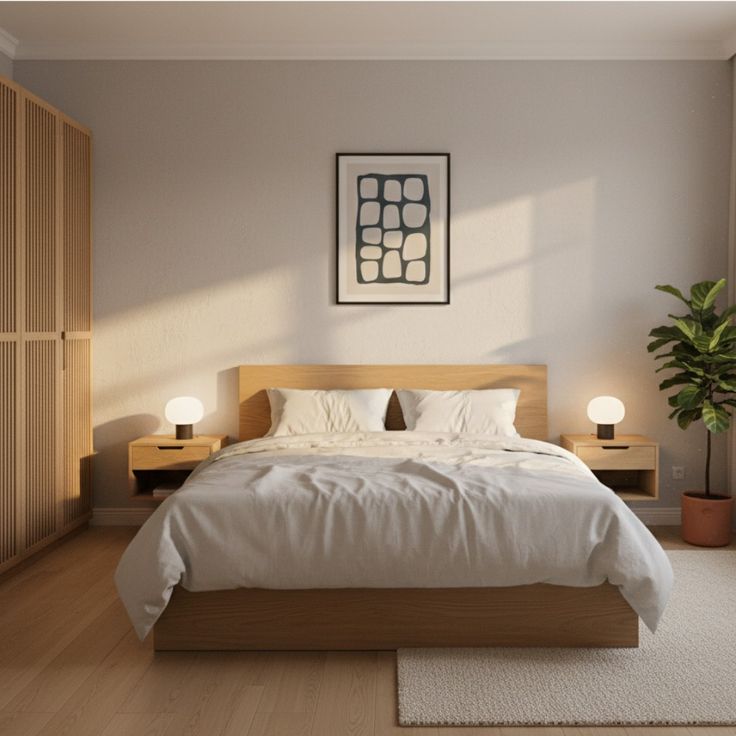
Before buying any new furniture, ask yourself if the room actually needs it. A minimalist bedroom typically has a bed, one or two nightstands, a dresser, and maybe a chair. That’s it.
Skip the bench at the foot of the bed unless you actually use it daily. Skip the extra armchair if it just becomes a place to pile clothes.
Practical tip: live in your room for two weeks before adding new furniture. You’ll quickly notice what you actually miss versus what you thought you needed.
Scandinavian design leans into multi-functional furniture, while modern minimalism often features fewer, larger statement pieces instead of many small ones.
Furniture Budget Tiers for a Minimalist Bedroom
| Budget Tier | Bed Frame | Nightstands (pair) | Dresser | Total Estimate |
|---|---|---|---|---|
| Budget | $150-300 | $60-100 | $150-250 | $360-650 |
| Mid-Range | $400-800 | $150-300 | $300-600 | $850-1,700 |
| High-End | $900-2,000+ | $400-700 | $700-1,500+ | $2,000-4,200+ |
With furniture sorted, let’s move on to something people forget entirely: the closet.
9. Declutter and Organize Your Closet First
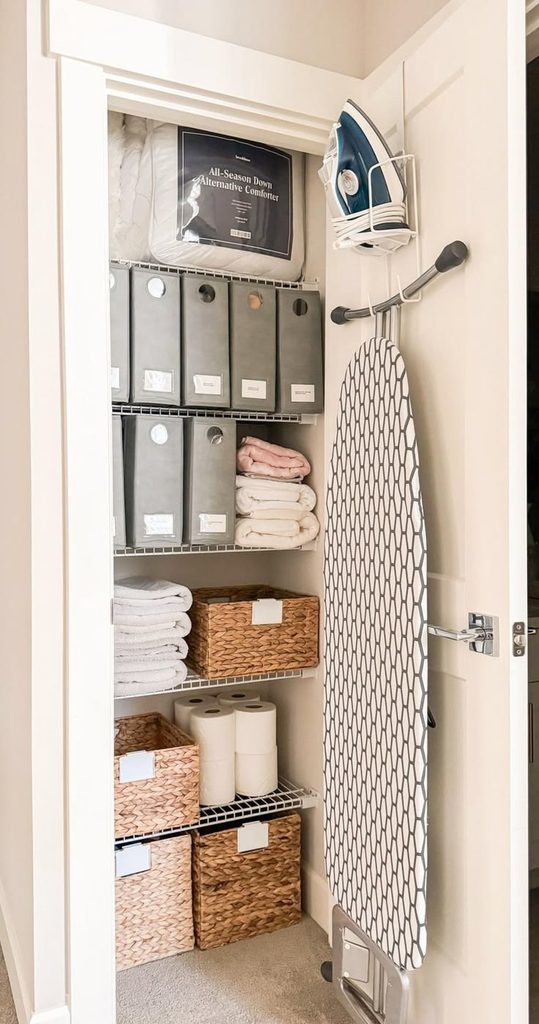
Here’s something nobody tells you: your bedroom can’t feel minimalist if the closet is a disaster zone, even if the door stays closed. A cluttered closet creates subconscious stress even when you can’t see it.
Sort clothes into keep, donate, and toss piles. Be honest about what you actually wear.
Practical tip: try the hanger trick. Turn all your hangers backward, and after wearing something, hang it back the right way. After three months, anything still backward gets donated.
This idea works in every home style since closet organization is more about function than aesthetics.
Once your closet feels calm, your walls are the next canvas to consider.
10. Hang One Statement Art Piece Instead of a Gallery Wall
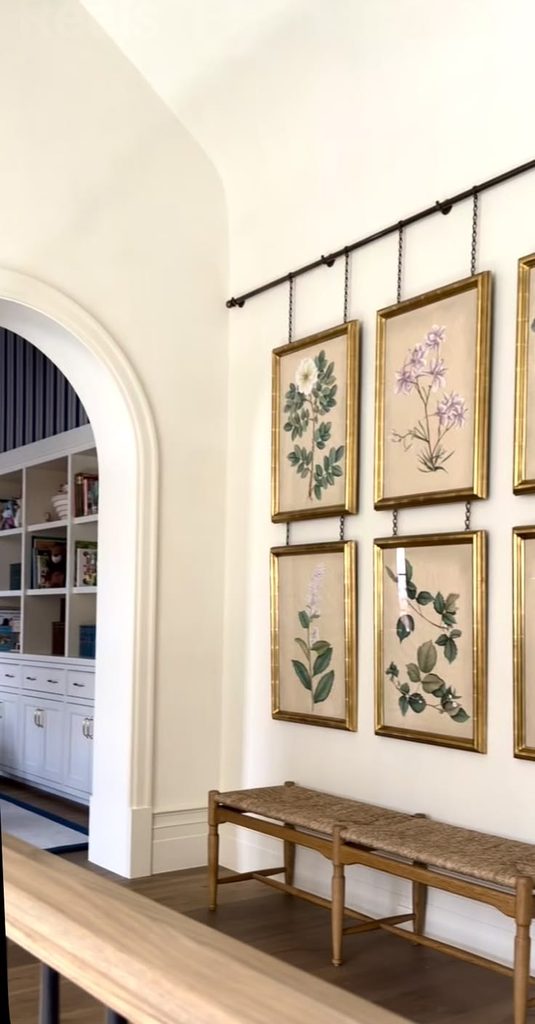
Minimalist rooms usually skip gallery walls in favor of one larger piece of art. It creates a focal point without overwhelming the eyes.
Choose art with a muted palette or abstract shapes. Avoid busy patterns or anything with a ton of small details.
Practical tip: hang art so the center sits at eye level when you’re standing, roughly 57-60 inches from the floor.
Modern bedrooms often go abstract, while coastal spaces might choose a single black-and-white landscape photo instead.
Let’s talk windows next, since natural light plays a huge role here too.
11. Dress Windows with Simple, Flowing Curtains
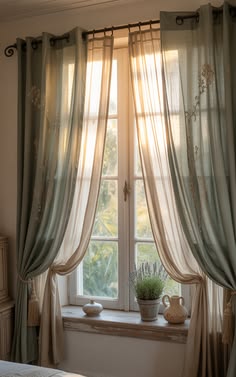
Heavy, patterned drapes clash with minimalist design. Simple linen or cotton curtains in white or a soft neutral let in light while still giving privacy.
Skip valances and layered curtain rods. One simple rod with one layer of fabric is plenty.
Practical tip: hang curtain rods a few inches above the window frame and let curtains fall just past the floor. This makes ceilings look taller.
Traditional homes might prefer slightly heavier linen, while modern rooms often go with sheer white panels for a more airy feel.
Now let’s cover something a lot of people overlook: greenery.
12. Add One or Two Low-Maintenance Plants
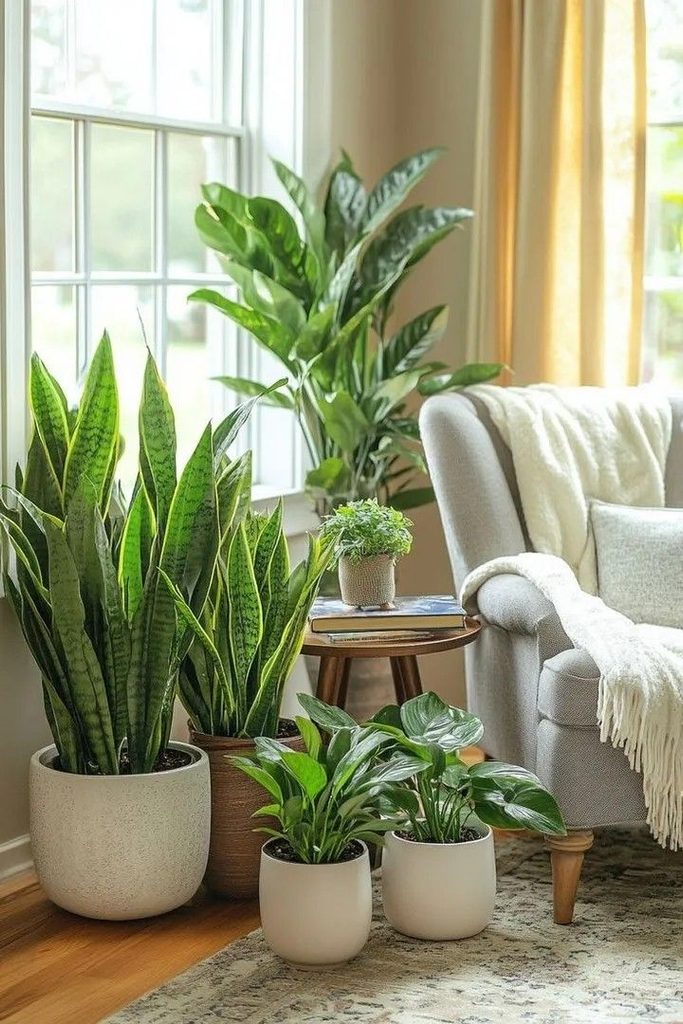
A plant or two brings life into a minimalist room without adding clutter. Snake plants, pothos, and ZZ plants are nearly impossible to kill and look great in simple ceramic pots.
Avoid clustering five different plants together. One or two well-placed plants make more impact than a jungle.
Practical tip: place plants where they get indirect light, like near a window but not directly in the sun’s path.
Boho and Japandi styles often lean into more greenery, while modern minimalist rooms usually stick to just one architectural-looking plant.
Once your plant situation is settled, let’s think about textures throughout the room.
13. Mix in Natural Textures Like Wood and Linen

Minimalist rooms can feel flat if everything is the same smooth material. Mixing in natural textures like wood, linen, and wool adds depth without adding visual clutter.
Choose a wood-toned dresser to pair with linen bedding and a wool rug. The contrast in textures keeps things interesting.
Practical tip: aim for at least three different textures in the room (smooth, woven, and matte) to avoid a flat, one-note look.
Japandi design is built entirely around this texture-mixing idea, while modern rooms use it more sparingly with just one or two textural accents.
14. Keep the Ceiling Simple and Uncluttered
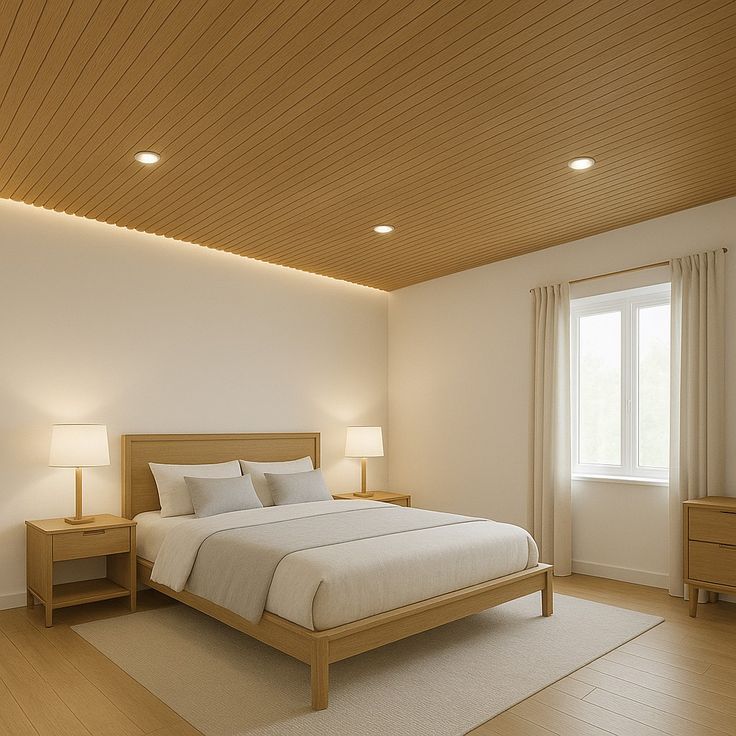
We talk about walls and floors constantly, but ceilings matter too. Skip ornate light fixtures, ceiling fans with lots of detail, or busy crown molding.
A flush-mount light or a simple pendant keeps the eye moving smoothly through the room instead of stopping at a busy fixture.
Practical tip: if your ceiling fan is outdated, swap the blades for a simpler, all-white or matte black design instead of replacing the whole unit.
Modern rooms often skip ceiling fixtures entirely in favor of recessed lighting, while traditional spaces might keep one simple pendant.
15. Create a Clutter-Free Dresser Top

Your dresser top can become a dumping ground fast. Keep it down to one tray, maybe a small plant, and nothing else. Everything else goes in a drawer.
Practical tip: do a nightly 60-second reset where you clear anything that landed on the dresser during the day.
This habit works in every design style since it’s about maintenance, not aesthetics.
Tips for Success
- Start with decluttering before buying anything new. You might not need as much furniture as you think.
- Choose quality over quantity for every piece you keep. One good dresser beats three mediocre ones.
- Stick to a three-color max rule for the entire room, including bedding and decor.
- Do a weekly five-minute reset to catch clutter before it piles up.
- Invest in good storage solutions early so you’re never tempted to leave things out.
- Test paint and fabric samples in your actual room lighting before committing.
- Give yourself permission to add warmth through texture instead of relying only on color.
Common Mistakes and How to Avoid Them
Buying too much furniture at once
: Live in the room for a few weeks first, then add pieces only when you notice a real gap.
Going too cold and sterile
: Add warm textures like wood, linen, or wool to soften an all-white or all-gray room.
Ignoring storage needs
: Choose furniture with built-in storage, like a bed frame with drawers, before your closet or floor becomes a dumping ground.
Overdoing the “empty room” look
: Minimalism isn’t about having nothing. Keep a few meaningful decor pieces instead of a totally bare room.
Skipping texture entirely
: Mix at least two or three materials, like wood, cotton, and wool, so the room doesn’t feel flat.
Similar Variations
- Japandi Bedroom: Combines Japanese minimalism with Scandinavian warmth using natural wood and low furniture.
- Modern Minimalist Bedroom: Focuses on sleek lines, monochrome palettes, and geometric shapes.
- Coastal Minimalist Bedroom: Uses light woods, linen, and soft blues for a beachy, airy feel.
- Boho Minimalist Bedroom: Keeps the simple layout but adds in a few woven textures and warm earth tones.
- Industrial Minimalist Bedroom: Pairs raw materials like concrete or metal with a stripped-down layout.
At the end of the day, minimalist design isn’t about deprivation. It’s about making room, literally and mentally, for what actually matters to you. Once you strip away the extra stuff, what’s left tends to feel a lot more peaceful.
I hope this gave you a clear starting point, whether you’re doing a full room overhaul or just swapping out a few pieces at a time. Take it one step at a time, and don’t feel like you need to do everything at once. That’s really the heart of these 15 stunning minimalist bedroom ideas: small, intentional changes that add up to a room that finally feels calm.
Leave a Reply